Since 1918
Go Home Redwoods Stand Quote
Donate Contact Us Search  
Protecting Redwoods
Education
Research
How You Can Help
Get Involved
League Information
About the League
League History
News Room
Publications
Contact Us

Redwoods Grove

League Overview

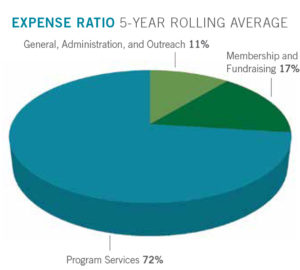
Fiscal Information
Save-the-Redwoods League is exempt from Federal income taxation under Section 501(C) (3)
of the Internal Revenue Code of 1954, as amended.


Overview of Save-the-Redwoods League
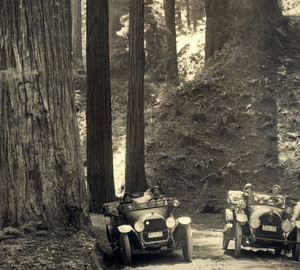
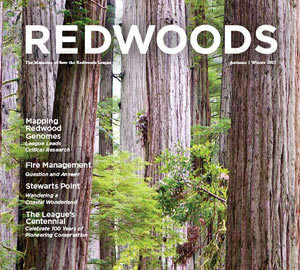
Save-the-Redwoods League has never wavered from its primary purpose of acquiring and protecting redwoods. The League's objective, since its formation in 1918, has been to ensure that these ancient forests survive and flourish forever. Year after year, the support of individuals, public service organizations, private foundations, as well as the support of the state of California, have enabled the League to help build an unparalleled system of 53 superlative redwood parks and reserves.

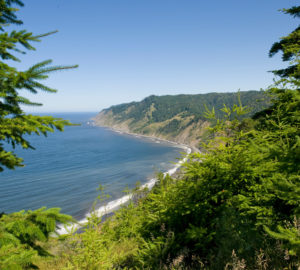
Since its formation, the League has helped protect more than 180,000 acres of redwood-related land in California. In addition to extensive work in the heart of the North Coast's redwood region, the League has assisted in the development of many parks in the southern range of the redwoods including Portola, Butano, Big Basin, Julia Pfeiffer Burns, Wilder Ranch, and Limekiln State Parks. The League is the only organization focused on conservation of the redwood forest throughout its natural range.

Our primary conservation tool is acquisition of forestland at fair-market value from willing sellers. Purchases are based on professional appraisals. The League also funds restoration, supports research to expand knowledge of redwood forest dynamics, and educates the public about redwoods and the redwood forest ecosystem.

The coast redwood (Sequoia Sempervirens) is naturally found only in a narrow coastal band running from the Big Sur Coast to southern Oregon. Of the nearly 2 million acres of the original ancient forest, approximately 96% has been logged in the past 150 years. Today, only 80,000 acres of these ancient giants survive, inspiring awe in those who visit.

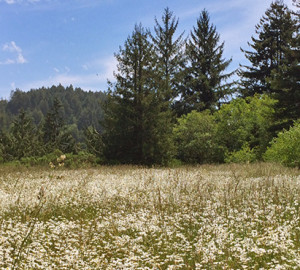
Over the last 90 years, the League has purchased hundreds of strategically located parcels of forestland that have resulted in the formation of today's redwood parks. Much like pieces of a puzzle, the League has connected parcels of land, creating living ecosystem corridors that fit into a larger conservation picture. With only 4% of the ancient redwood forest still in existence, the League is committed to protecting the remaining groves.

Partnerships with other conservation groups and public agencies are essential to our success. We have worked with the Trust for Public Land, The Nature Conservancy, the Sempervirens Fund, a number of local land trusts, California Department of Parks and Recreation, U.S. Bureau of Land Management, and the National Park Service, among many others.

The former director of California State Parks, Rusty Areias, has described Save-the-Redwoods League as "an example of what can occur when good business sense and unselfish devotion to principles are tenets of equal force."

To many of the people who contribute to Save-the-Redwoods League, it makes no difference that they will never see, except in photographs, the magnificent redwood forests that they are helping to save. For these people, it is enough to know that the redwoods still exist and that, as a result of their generous support, the redwoods will be protected in public parks for everyone to enjoy.

Saving primeval forests and their surrounding habitat is a costly endeavor, but with the generosity of our members, we continue to be extremely successful. The League is always seeking members who will join in the fight to save forests that the majestic redwoods and sequoias call home.


Redwoods Grove
 
Home - Search - Site Map - Contact Us - About Us - Jobs & Internships - Site Credits & Permissions - Privacy Policy
The League has assisted in the purchase of more than 180,000 acres of California land.
Save-the-Redwoods League is exempt from federal income taxation under Section 501(C)(3)
of the Internal Revenue Code of 1954, as amended.
© Save-the-Redwoods League 2008