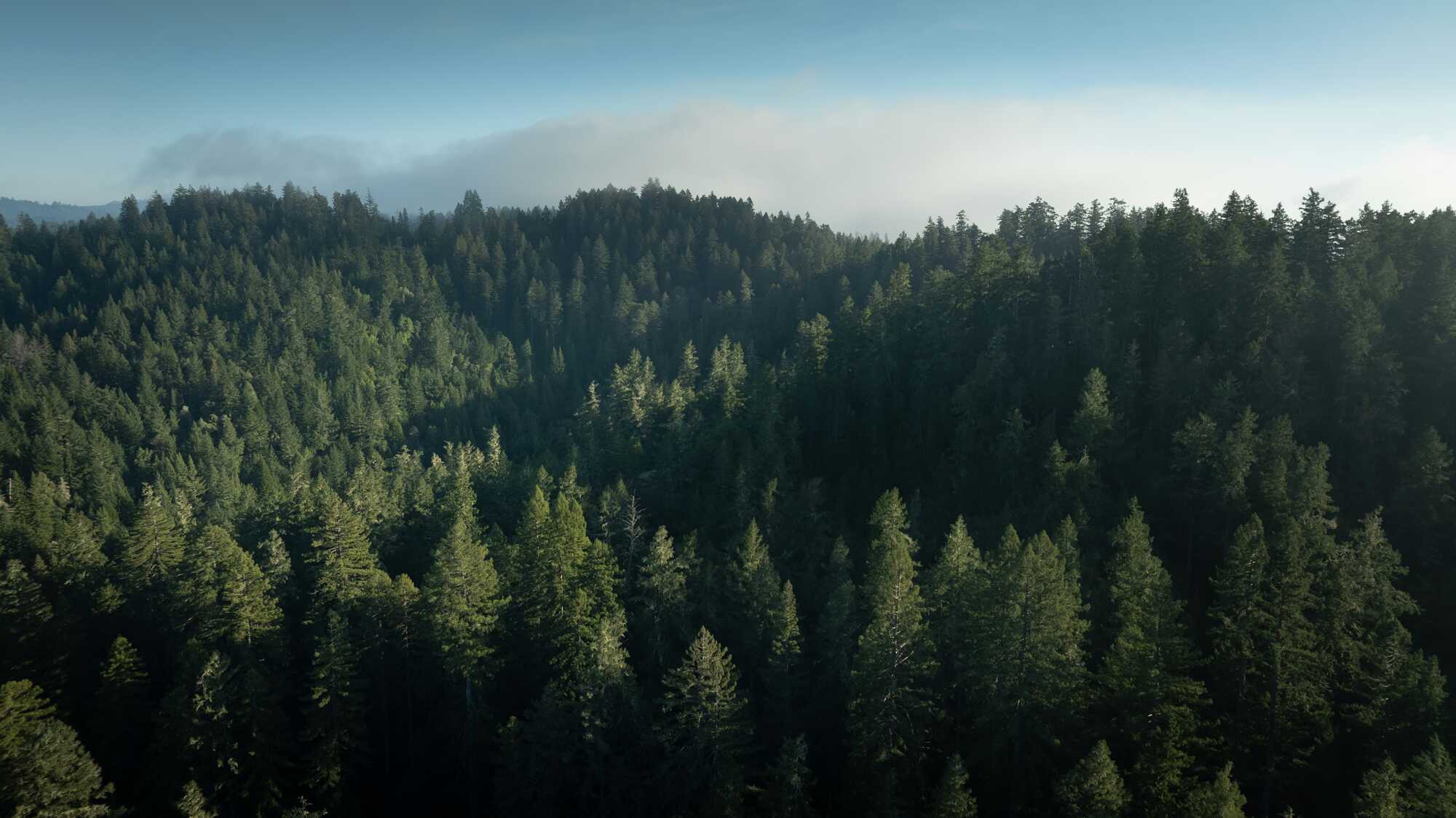
Protecting redwoods primarily means buying forest land from willing sellers so it can be permanently conserved, restored, and stewarded for the long term. Save the Redwoods focuses on securing redwood forests so they are no longer at risk of commercial-scale industrial logging or development.
Our long‑standing strategy, shared by many accredited land trusts, is to work directly with landowners to buy land and conservation easements through negotiated, good‑faith transactions. While other conservation strategies exist, Save the Redwoods believes land acquisition provides a durable, collaborative path to permanent protection.
We work closely with private landowners, timber companies, public agencies, Tribes and other conservation partners. Our approach depends on building trust, professionalism, and long‑term relationships with sellers and partners to successfully complete complex land transactions.
We were founded in 1918. Throughout our history, we’ve negotiated hundreds of land purchases and protected large areas of coast redwood and giant sequoia forests. To date, we’ve created or expanded 76 redwood parks and reserves and protected more than 200,000 acres of redwood forest.
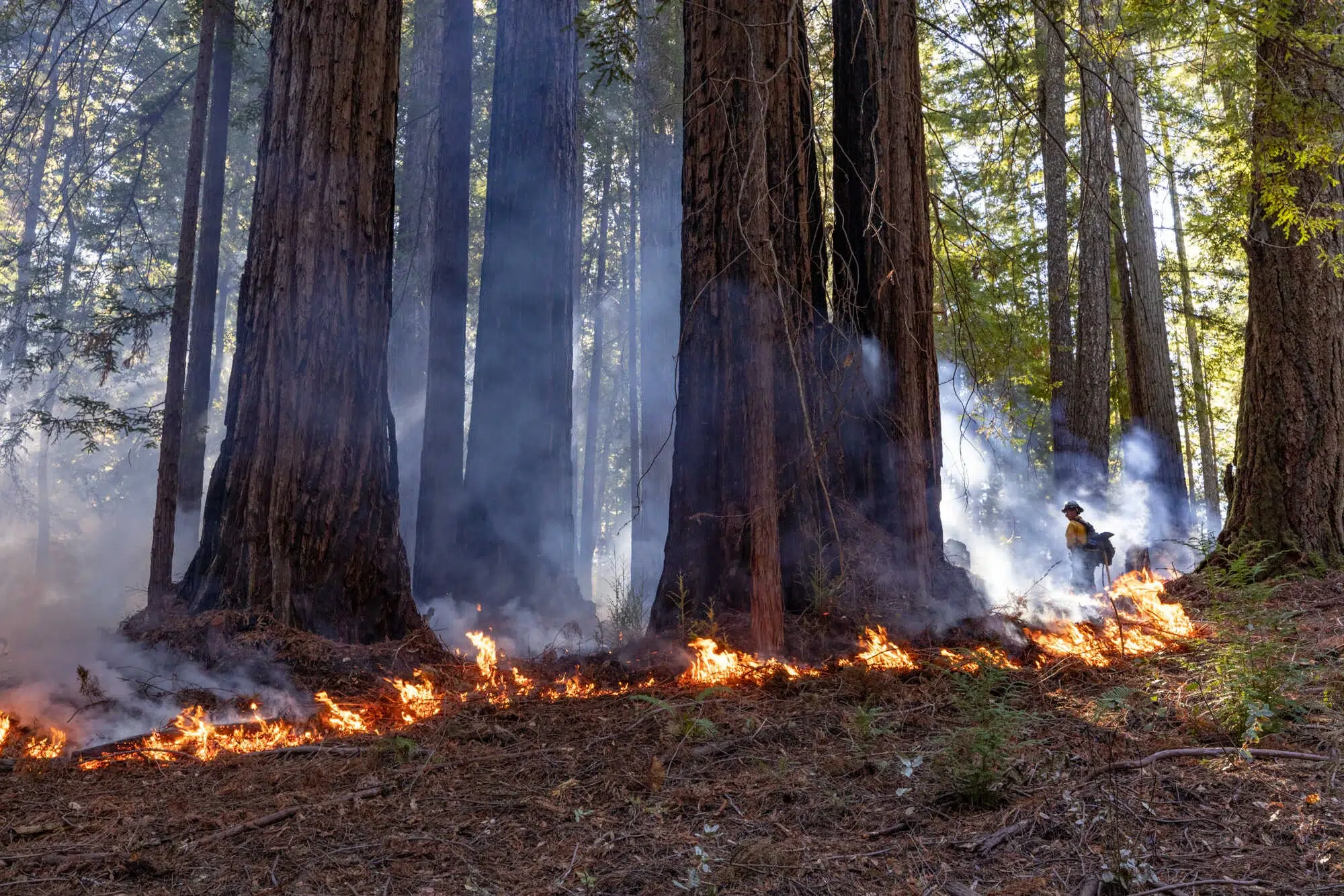
Land acquisition is only the beginning. After buying, whether the property is ultimately held by Save the Redwoods or another entity, the focus shifts to climate-informed restoration and stewardship. This way, these younger or previously logged forests can recover and thrive, becoming the future’s old‑growth.
No. While protecting remaining old‑growth forests is critical, we also prioritize young and previously logged forests that can be restored to become the old‑growth forests of the future, as well as sustainably managed working forests protected through conservation easements.
Save the Redwoods’ work is focused on California’s coast redwood and giant sequoia ranges, but our approach reflects conservation practices used by accredited land trusts across the United States.
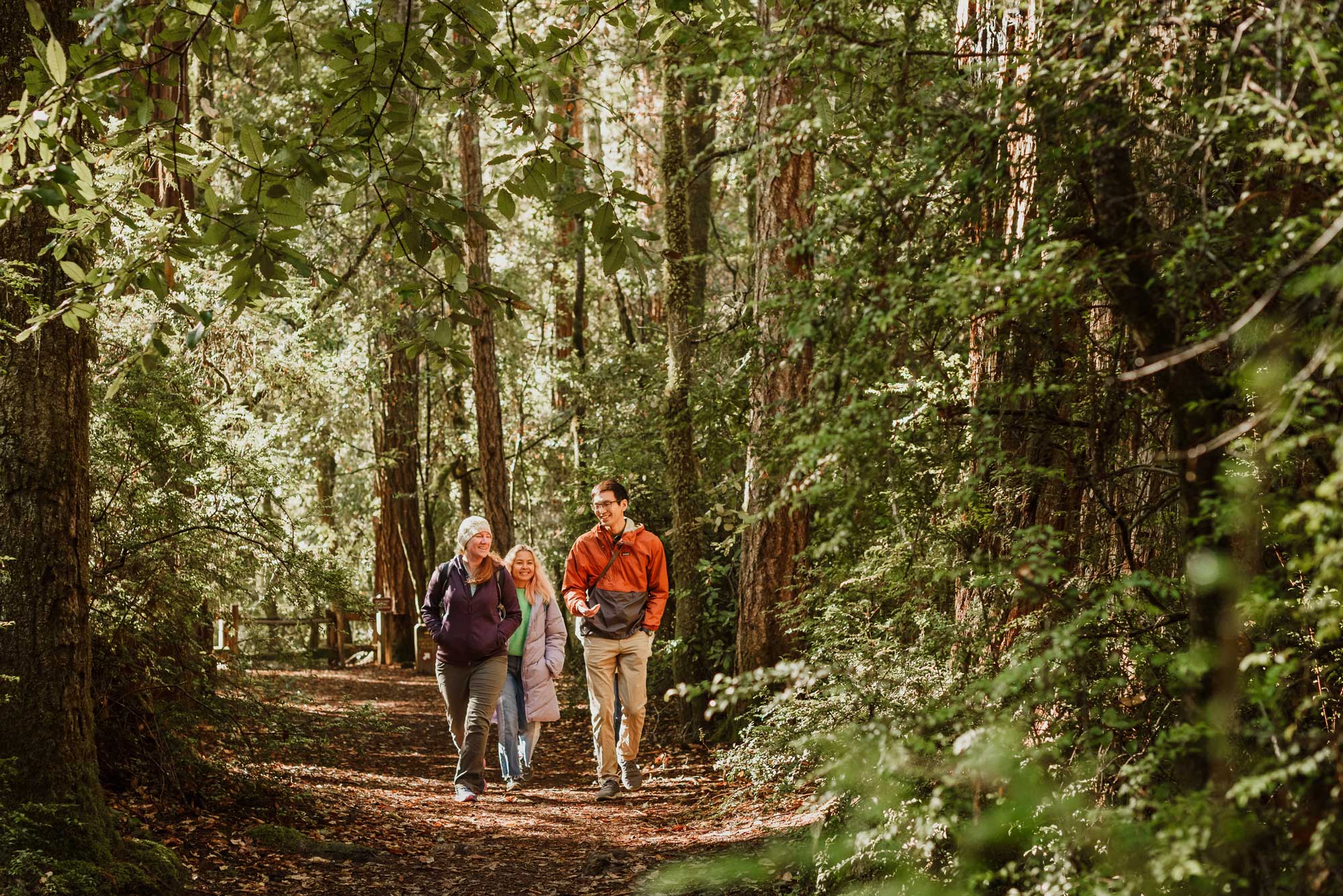
We envision a connected and ecologically thriving redwood range, that is climate resilient, sustainably managed, and accessible through parks and other public lands that inspire future generations and are protected forever.