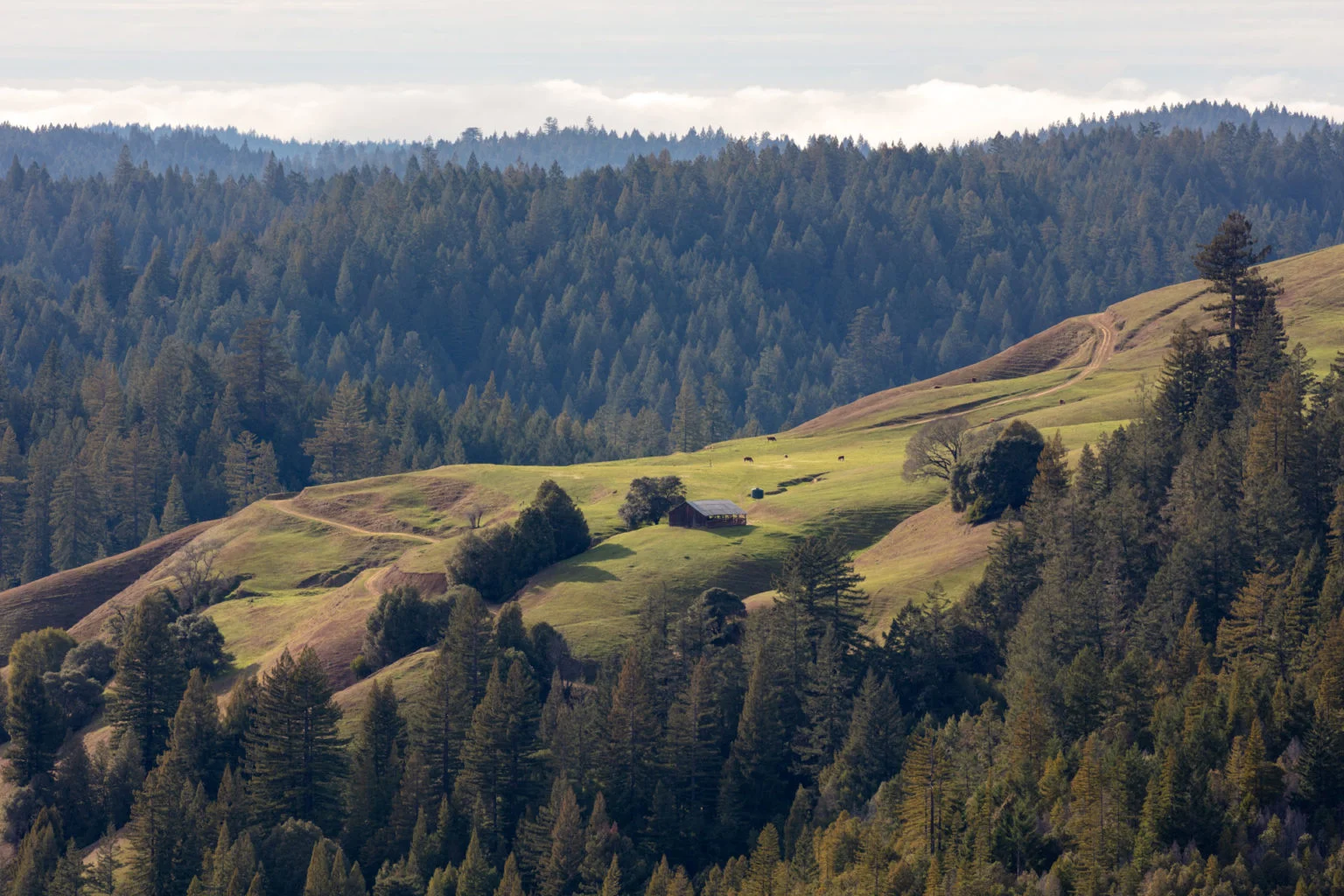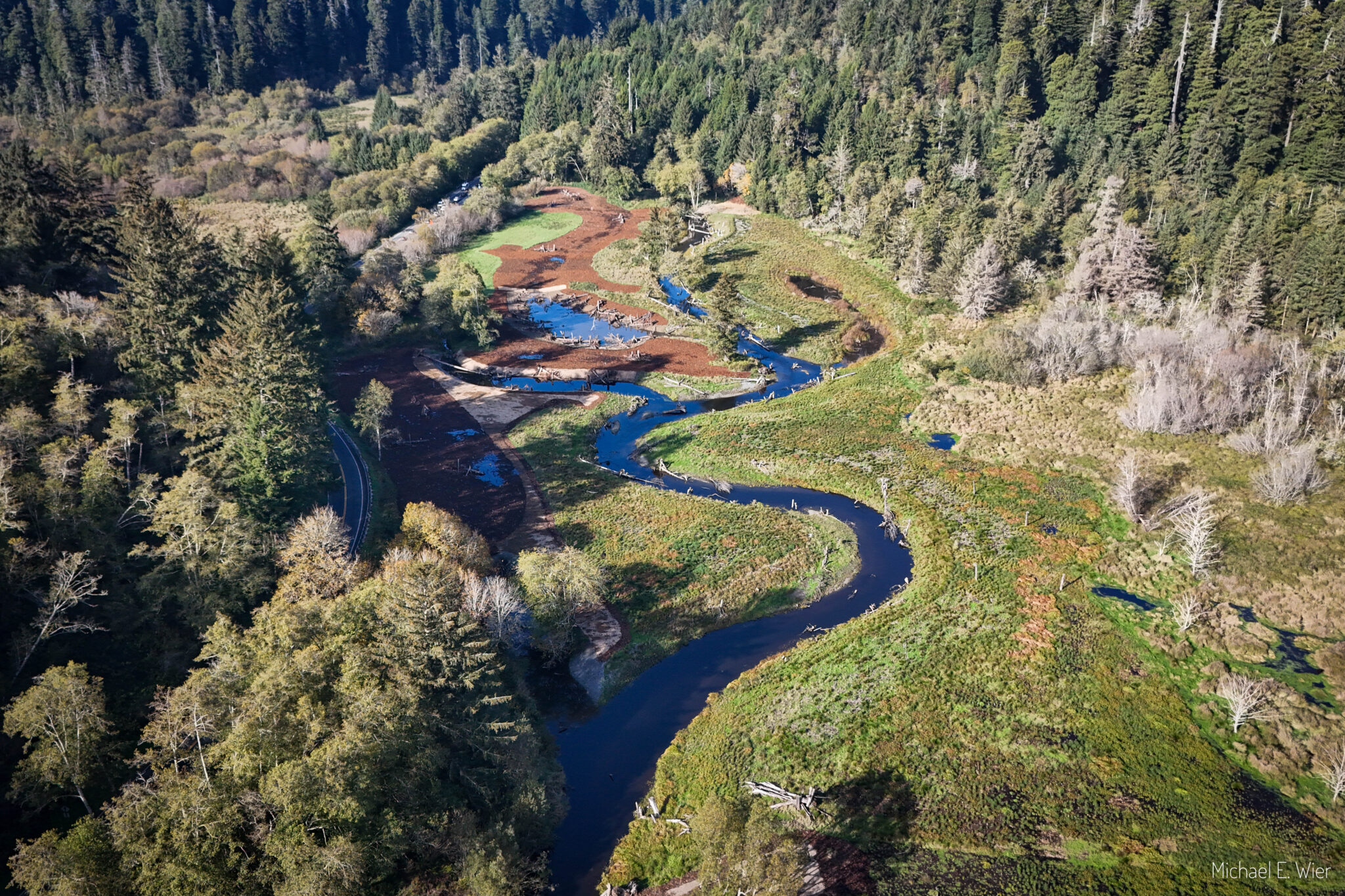
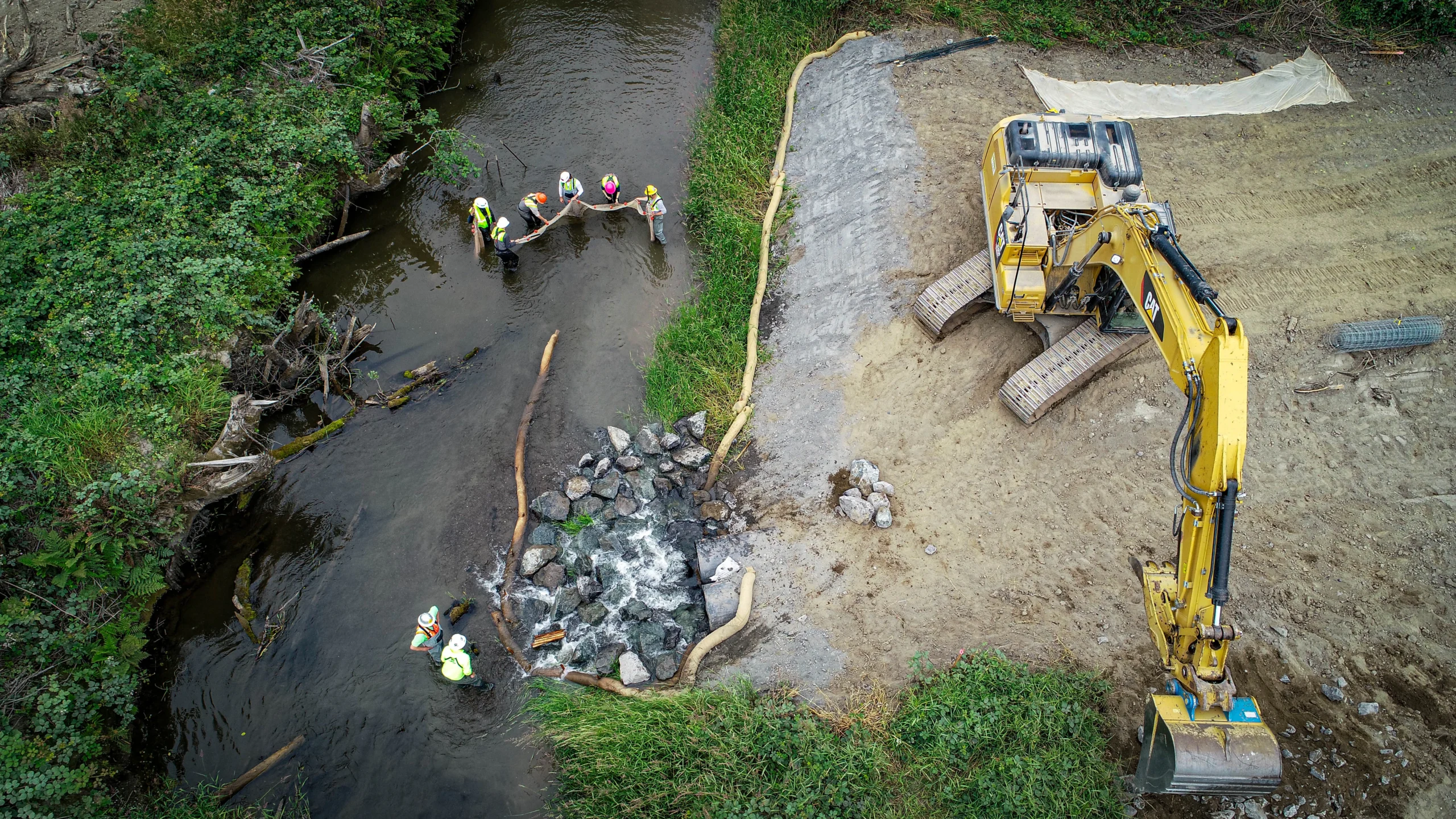
stream restoration work at Prairie Creek. Photo by Michael Wier/Cal Trout

Forest Restoration

Redwoods have suffered from historic extraction and face unprecedented threats. We know how to help—by revitalizing damaged ecosystems and restoring climate and wildfire resilience.

Healing Redwood Forests Across the Range

Forest restoration is essential to California’s future–for climate stability, fire resilience, wildlife conservation, clean water, and community well-being.

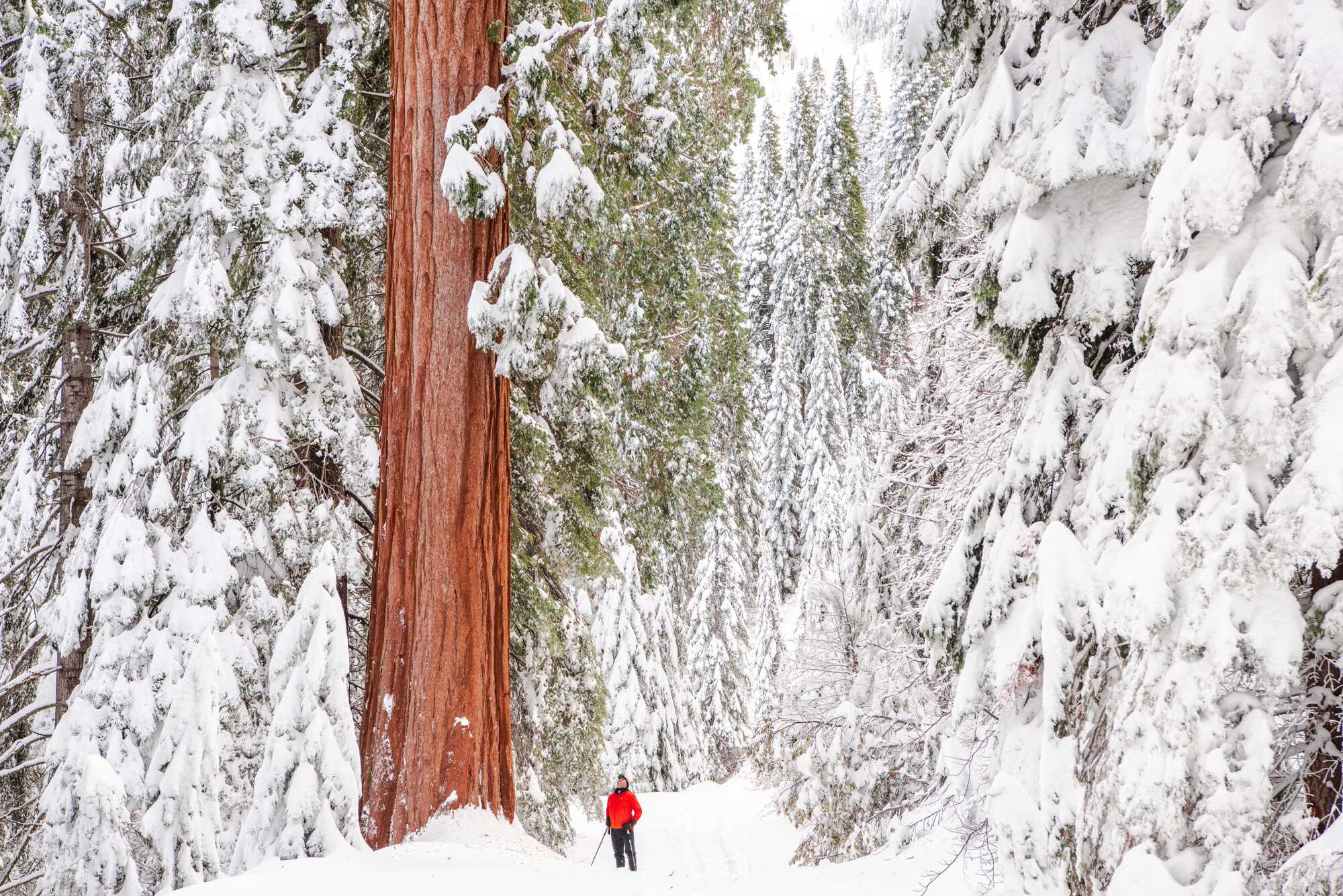
We foster a future for healthy, vibrant redwood forests, home to diverse plants and wildlife and ready to thrive for centuries to come. Our long-term goals include restoring 800,000 acres of previously harvested coast redwood forests and revitalizing thousands of acres of giant sequoia forests impacted or threatened by extreme wildfire.
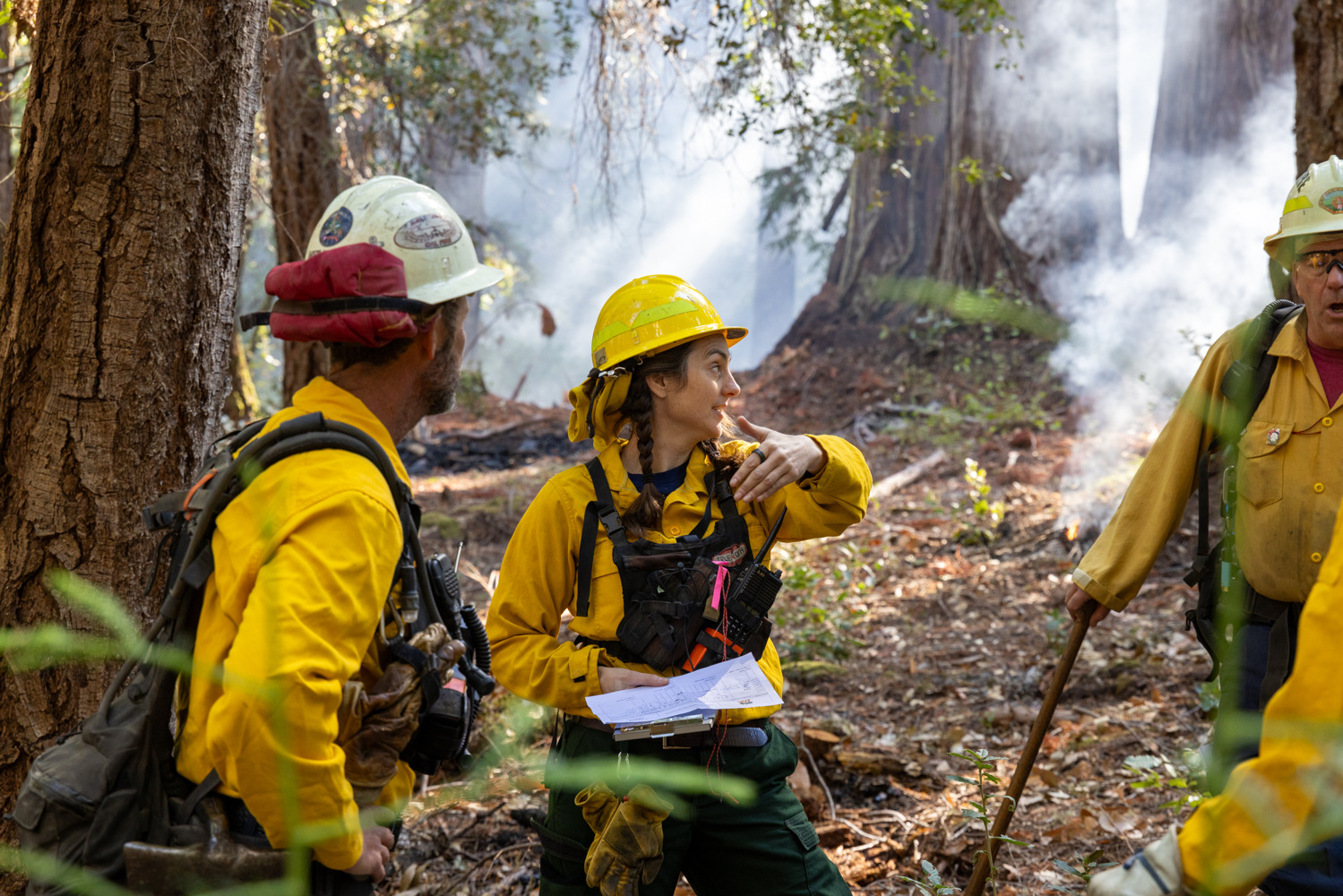
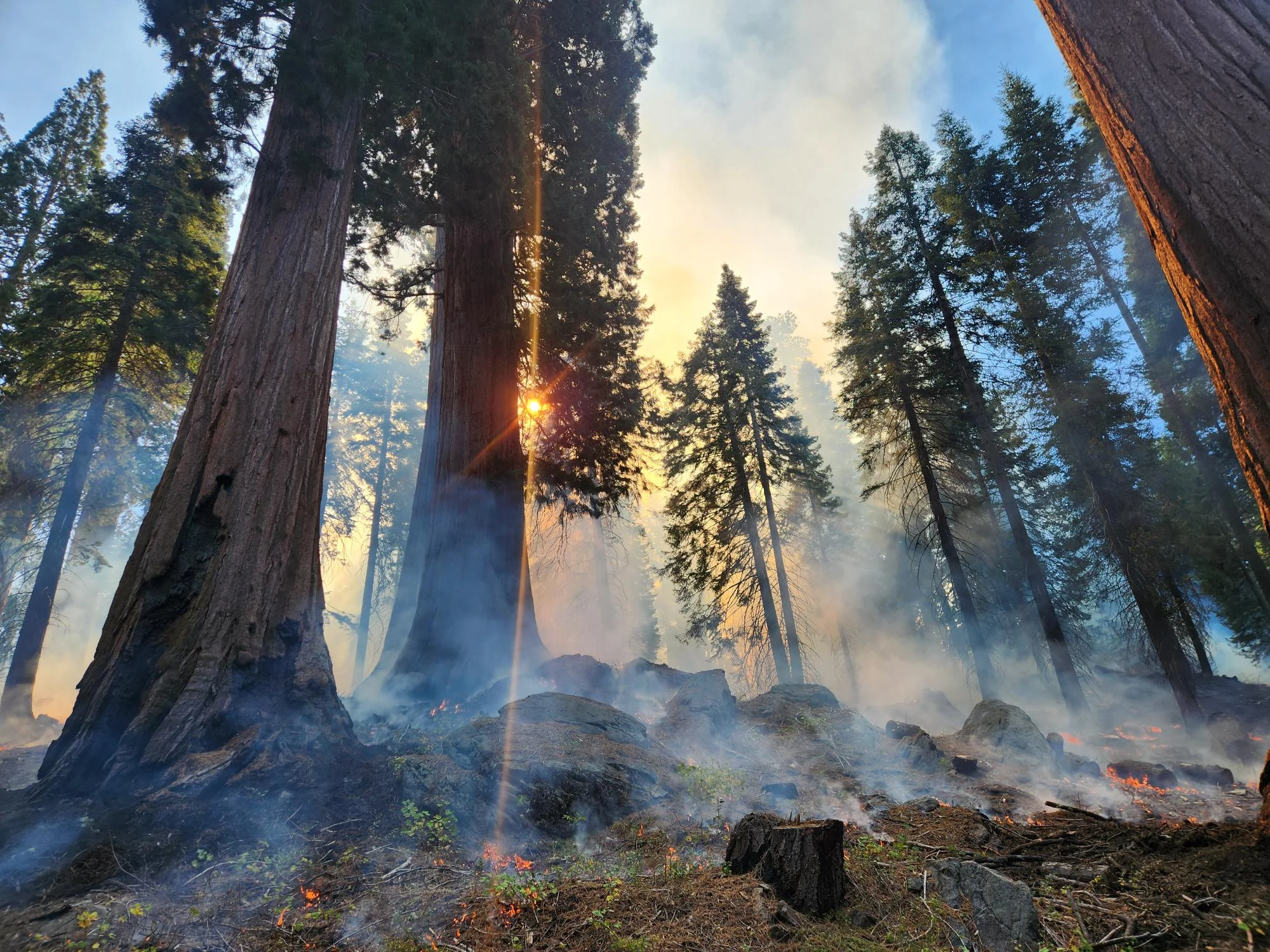
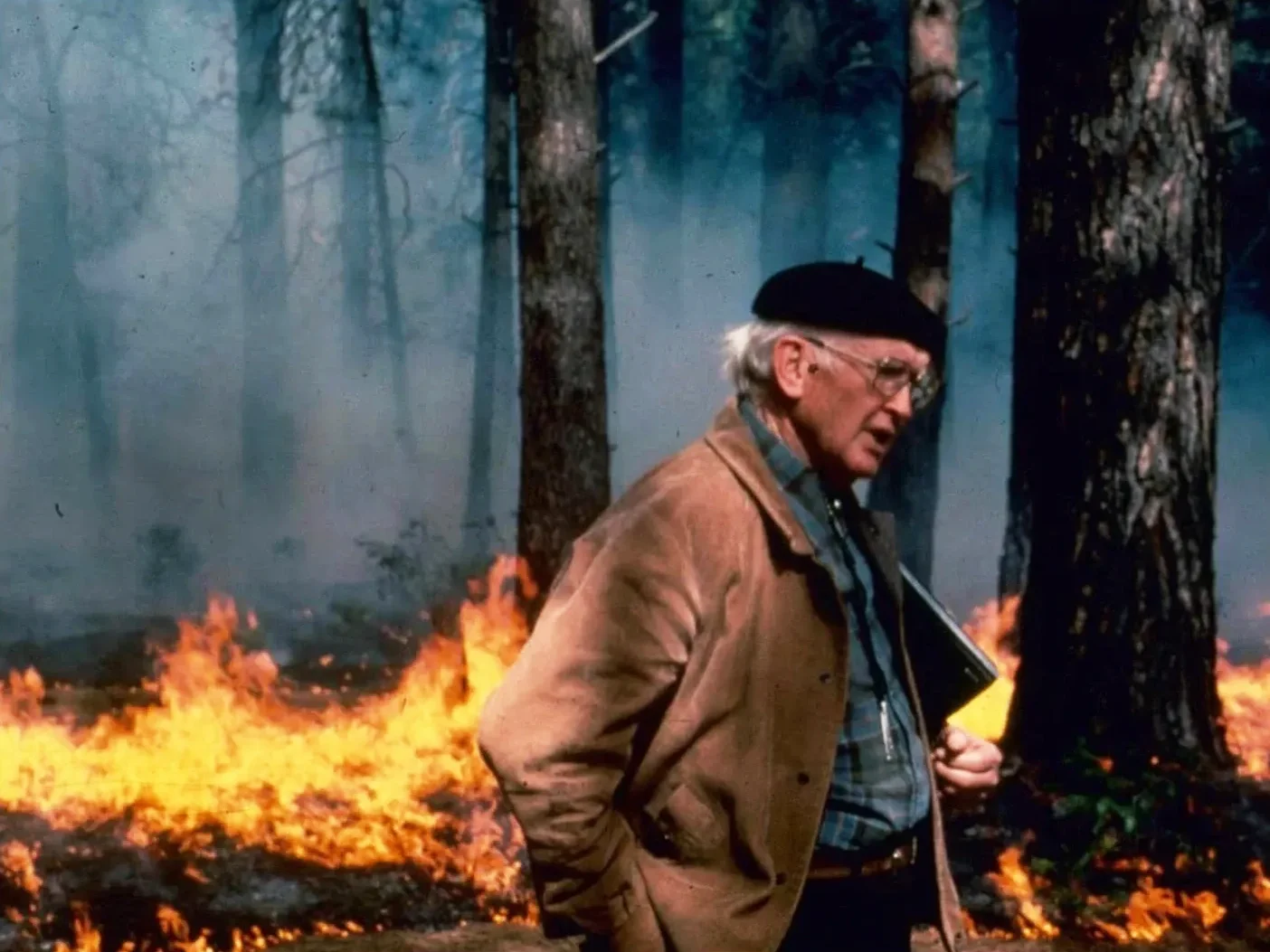
Prescribed fire at Harold Richardson Redwoods Reserve, Fall 2024

How We Work

Using decades of scientific and field expertise, we work with partners to carefully assess each acre of land, then develop a specific management strategy to set the forest up to thrive.

Reducing Dangerous Fire Fuels

Using manual and mechanical techniques, our crews clear overgrown brush, small trees, and other flammable debris that have accumulated after decades of fire suppression.

Replanting in Severely Burned Areas

We plant giant sequoia seedlings and other native species in severely burned areas where natural regeneration is unlikely to succeed on its own.

tree line graphic

Thinning Unnaturally Dense Stands

In second-growth coast redwood forests, we thin unnaturally dense stands to reduce competition for space, light, water, and nutrients—improving forest health and setting the stage for future old growth.

Line graphic creek planting restoration

Improving Stream Health

We remove old roads and restore natural water flow in damaged watersheds to reduce erosion, improve water quality, and create healthy habitats for fish and wildlife.

frog line graphic

Protecting Imperiled Habitats

Through hands-on work such as removing invasive species and reconnecting waterways, we restore the conditions that native plants and wildlife need to survive and flourish.

Growing Hope with Redwoods Rising

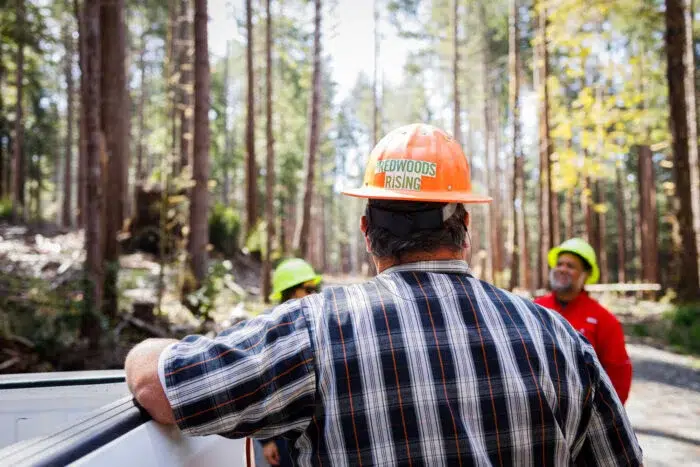
We’re creating a brighter future for formerly logged forests in Redwood National & State Parks.

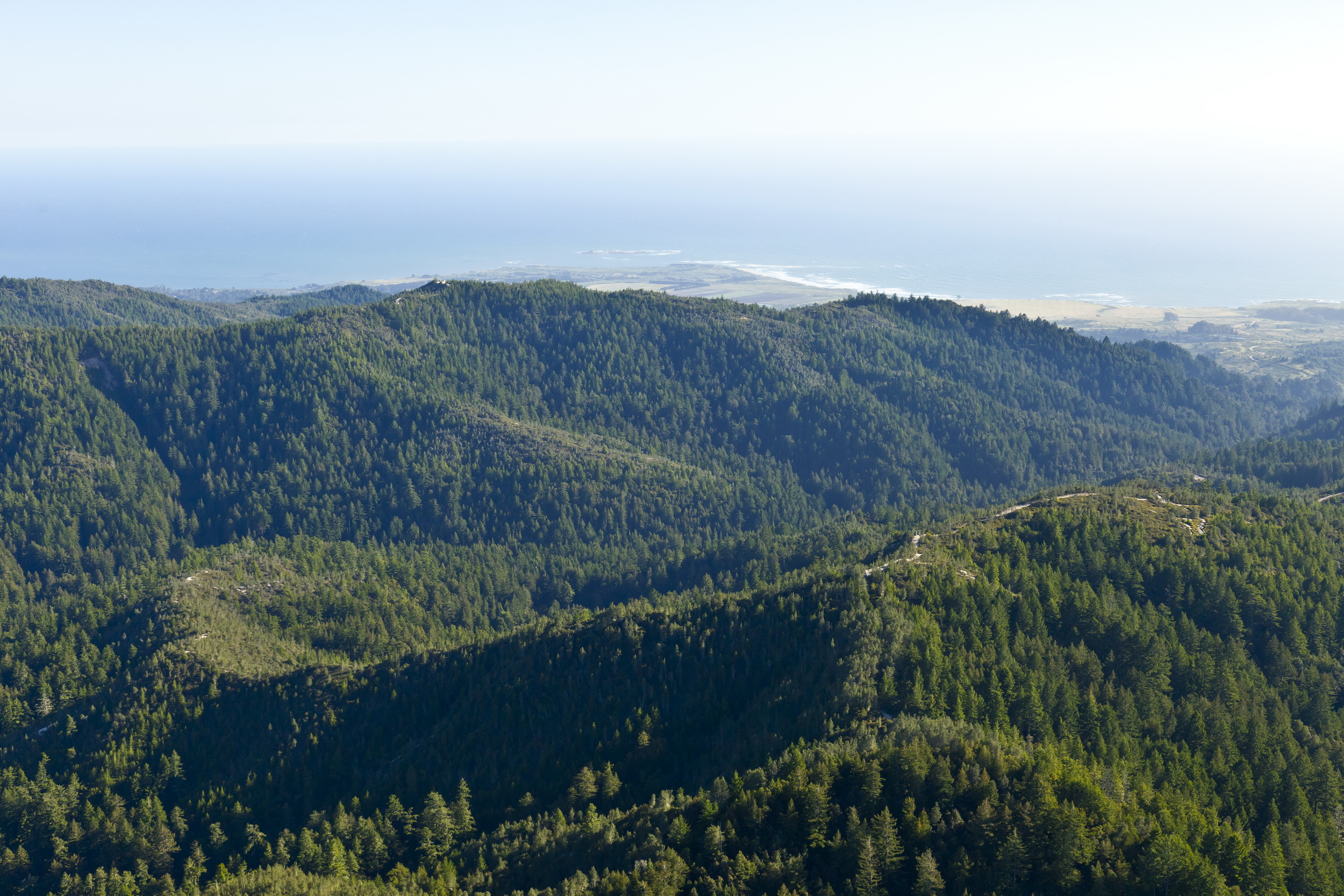
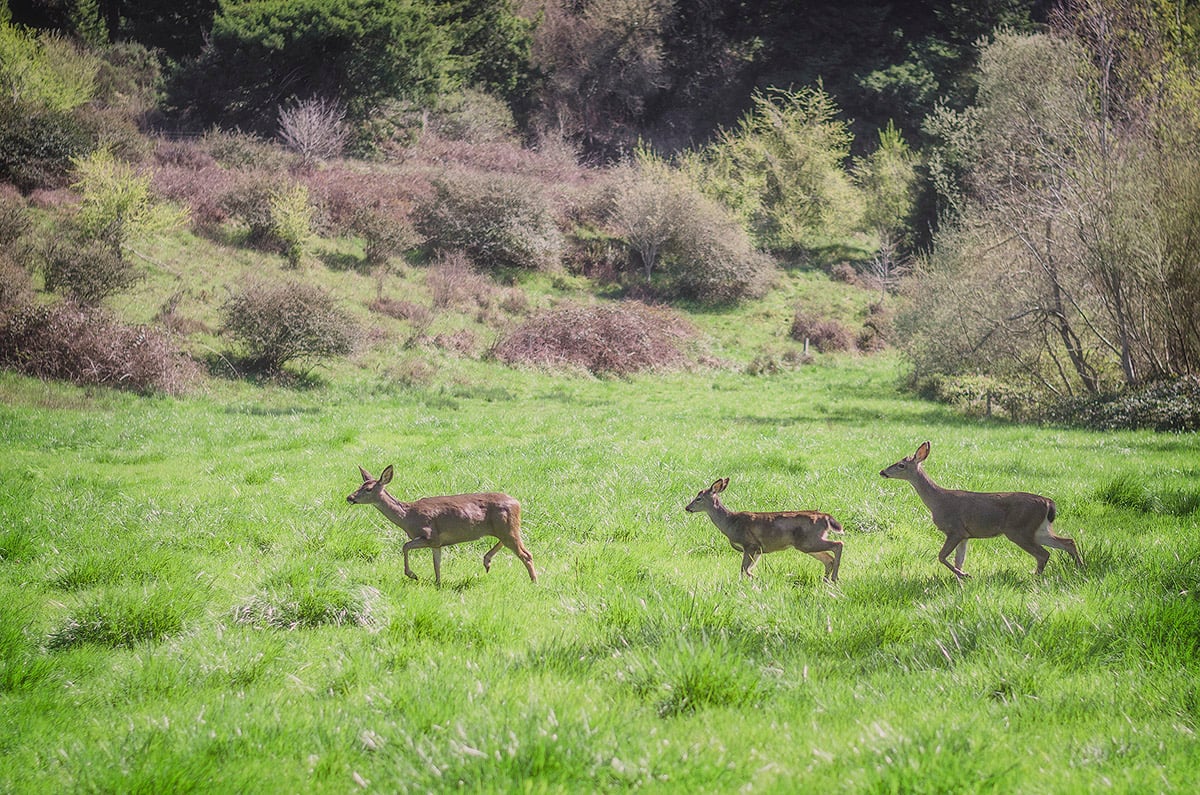
Together with the National Park Service and California State Parks, we’re healing the scars of industrial logging and creating resilient forests for the future. Across 70,000 acres, we’re reconnecting isolated old-growth groves, creating wildlife corridors, locking in carbon storage, and supporting a sustainable restoration economy.
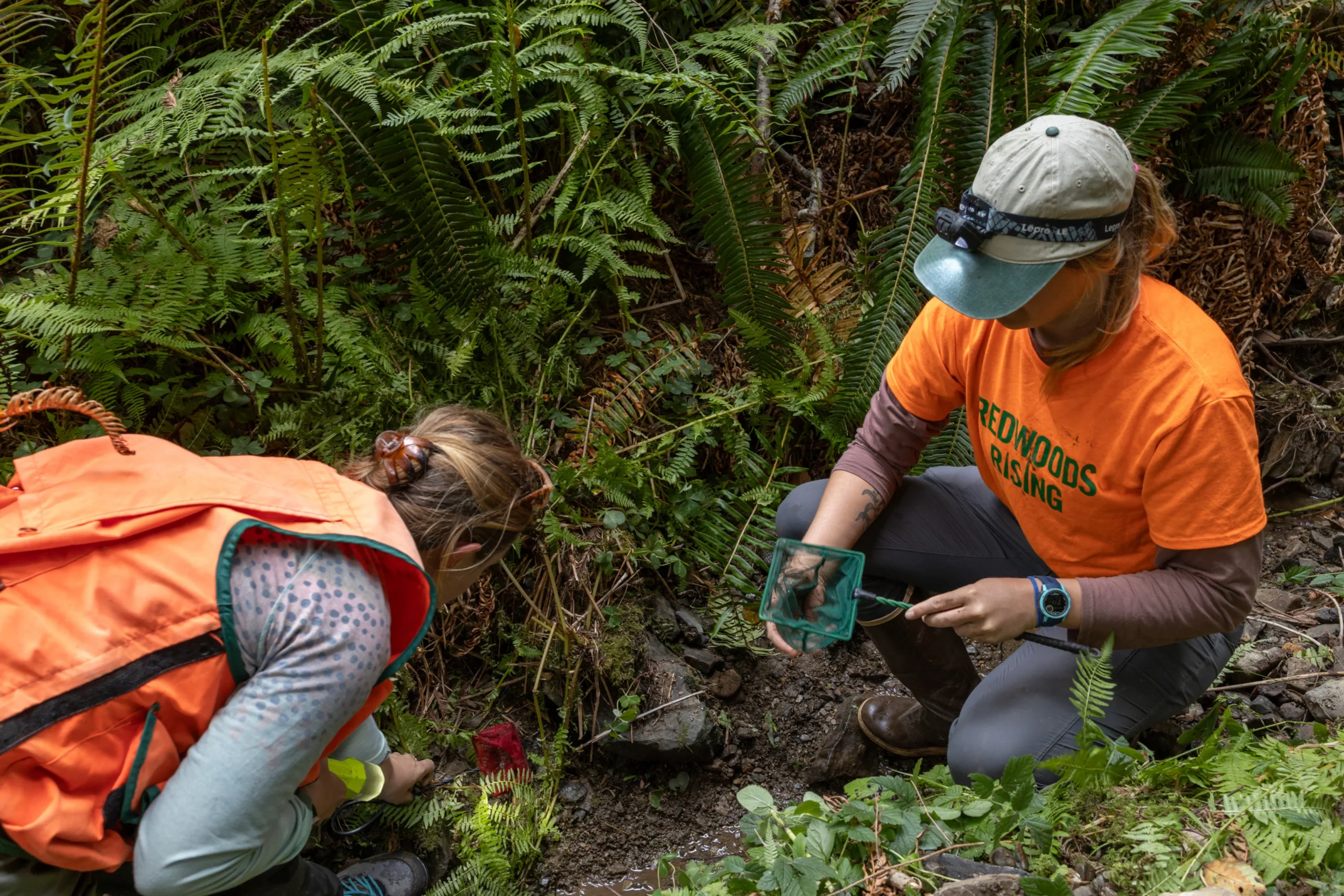

restoration workers in creek collecting samples
Redwoods rising forest restoration
Video

Forest Restoration

We're using modern forestry techniques to speed up the recovery of a healthier, more natural forest ecosystem. And while it seems counterintuitive, the first big step is thinning trees. Here's how that works.

Addressing the Giant Sequoia Emergency

Megafires have killed 17% of mature sequoias since 2015. We’re teaming up to defend these giants.

Save the Redwoods helps lead the Giant Sequoia Lands Coalition, an alliance of sequoia land stewards working to shepherd vulnerable groves through unprecedented challenges. We’re bringing forest science, advocacy, and Traditional Ecological Knowledge to the fight to save giant sequoias.
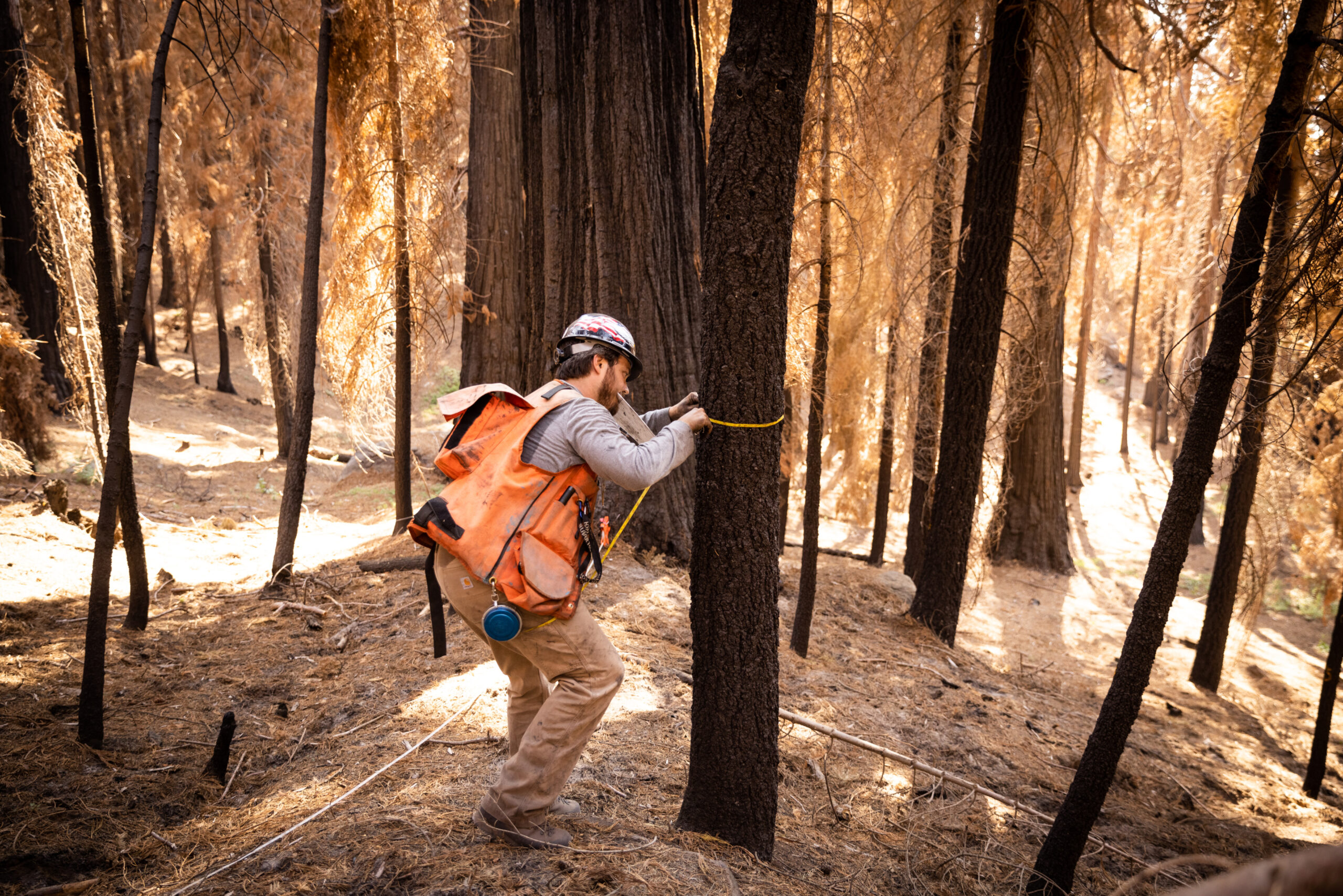
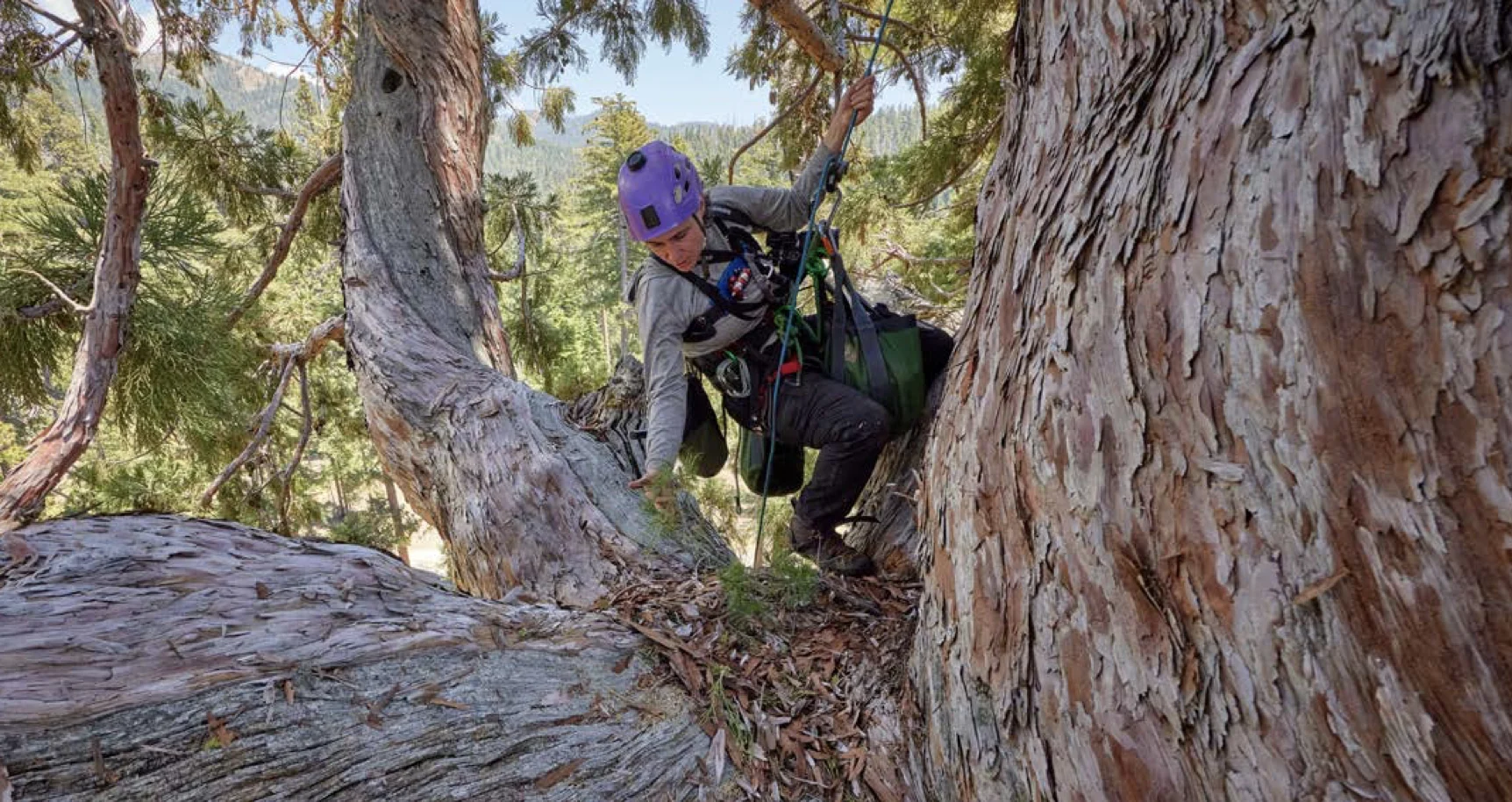
Forest Resources Solutions and Technologies forest analyst Timothy Facemire collects data on the post-fire landscape in the Alder Creek Grove in Sequoia Crest, California on July 15, 2021. Photo credit Max Whittaker
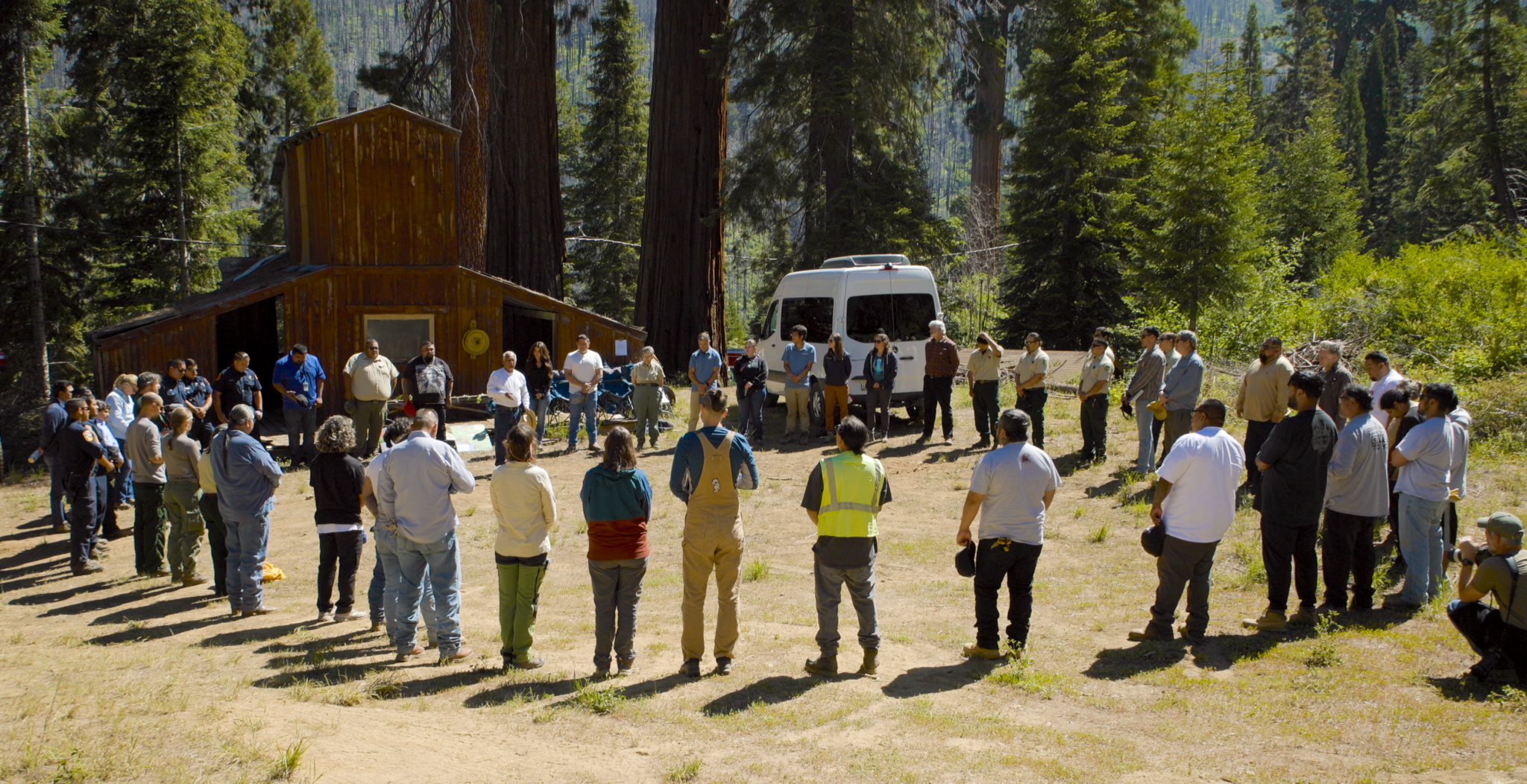
A group of people gather in a large circle with sequoia trees in the background.
Video

Coming Together for Cultural Burns

Banned for 100 years, cultural burning is reviving Tribal traditions and restoring giant sequoia resilience.

Building the Workforce of the Future

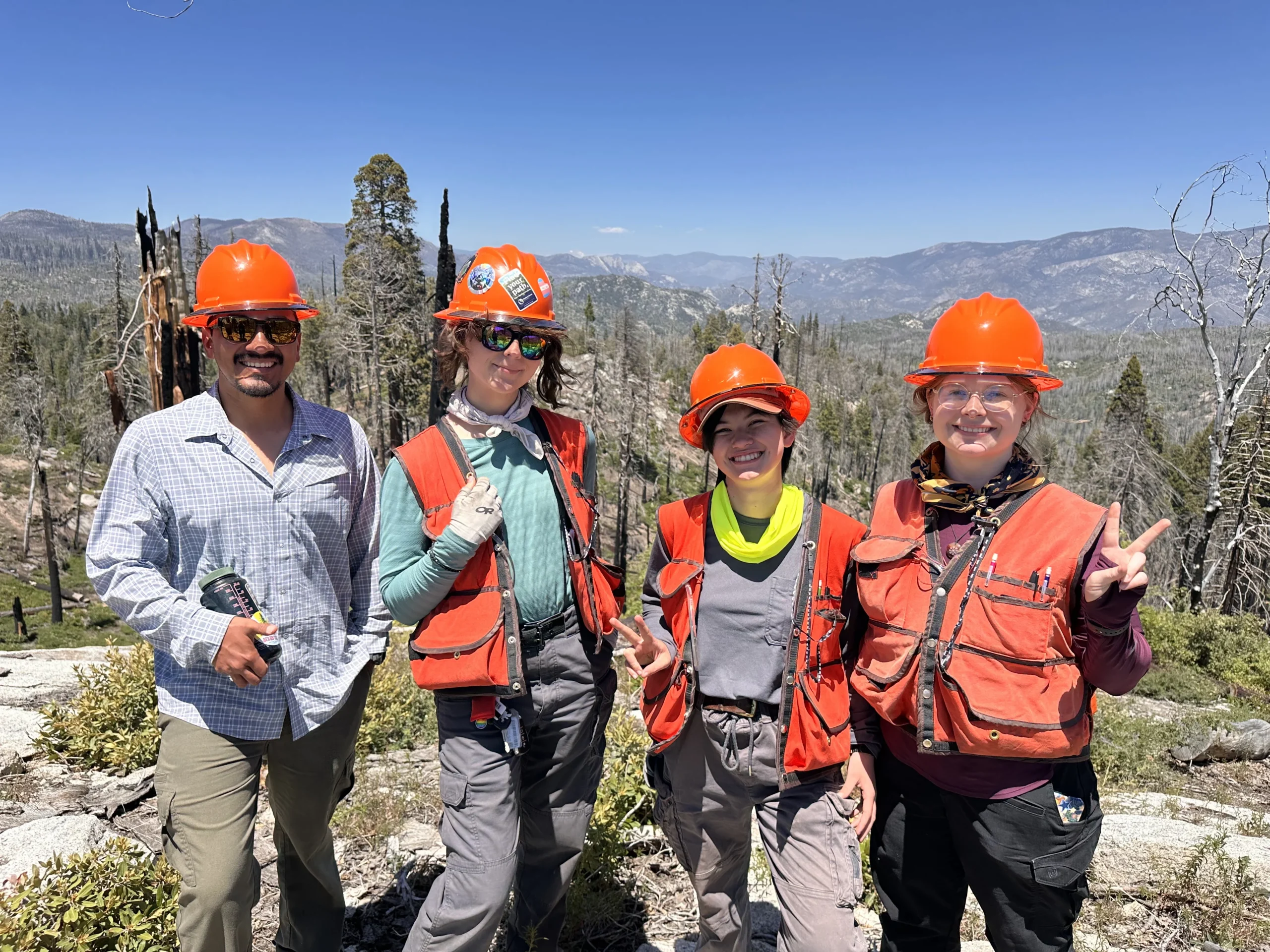
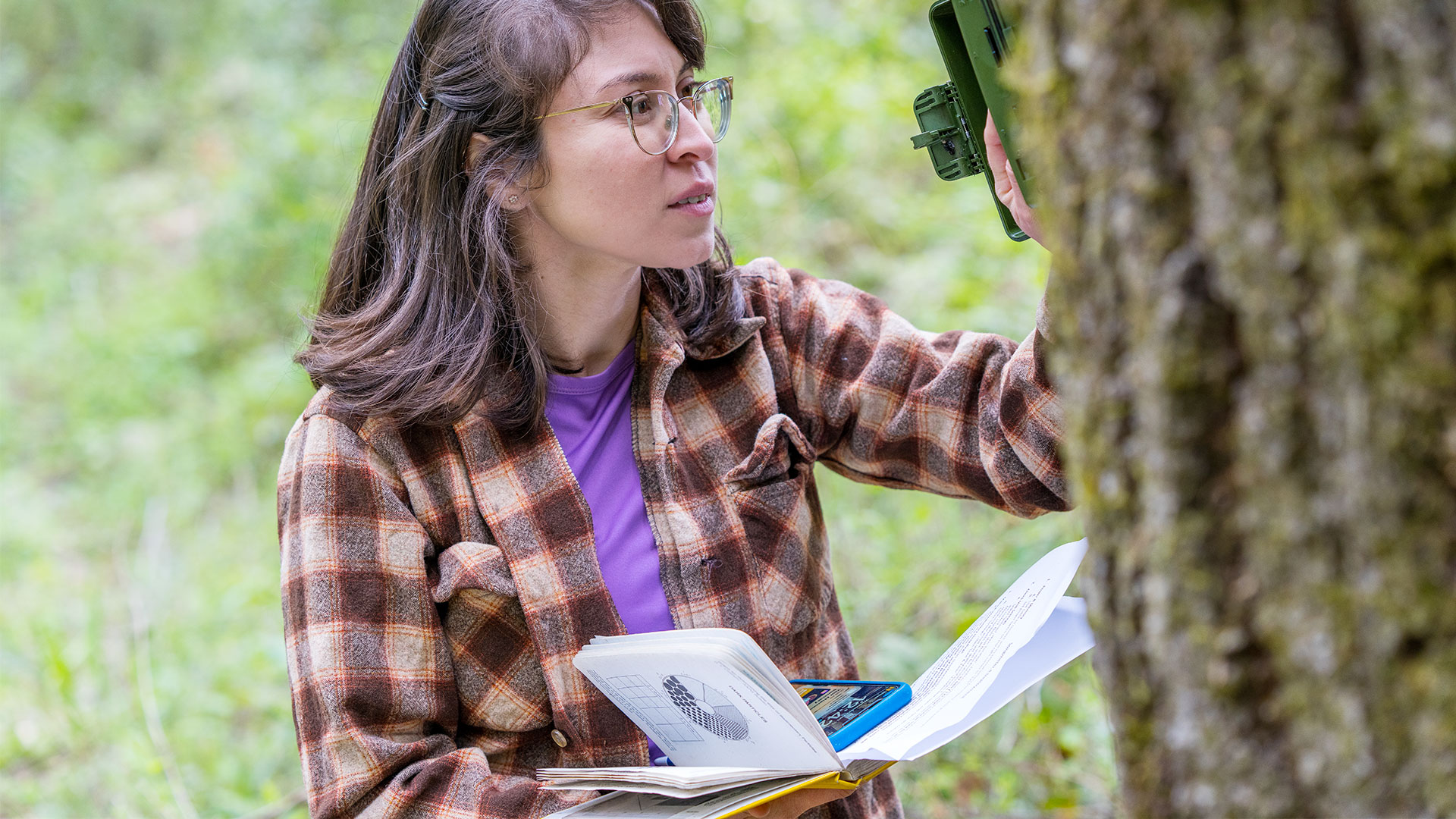
Our apprentice programs help jump-start careers in science and natural resources management.

Apprentice programs in both the coast redwoods and giant sequoias provide college students with on-the-ground training in their chosen field, including botany, forestry, fire ecology, watershed restoration, aquatics, and ecological monitoring.
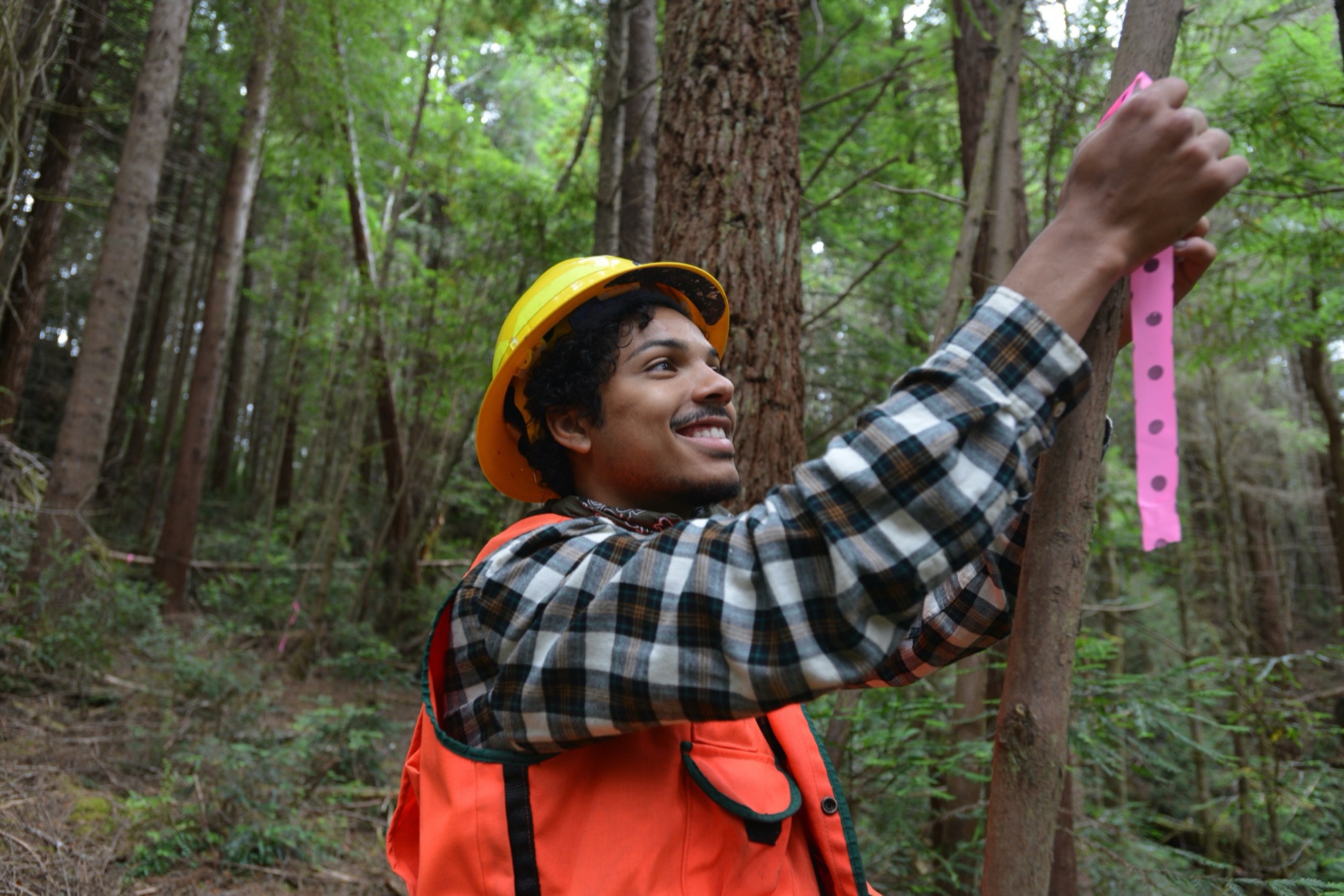
A man in a hard hat and hi-viz vest surveys a tree while holding pink tape
Fog over redwood forest

Join us in reviving the range.