After acquiring Alder Creek, Save the Redwoods set out on a monumental task: Preparing this landscape to survive and thrive amid the existential threats of drought, warming temperatures, and megafires. As we anticipate this future, we are inspired by the past.
When imagining what we want this forest to become, we begin by asking how it might look today if Indigenous peoples had not been forcibly removed and their cultural practices suppressed. Without Indigenous stewardship—and with fire largely excluded—giant sequoia groves and mixed conifer forests have shifted in numerous ways. Research suggests that while historic forest structure varied across the Sierra Nevada, tree density was much lower when natural, low-intensity fires ran their course.
Creating space for sequoias to survive
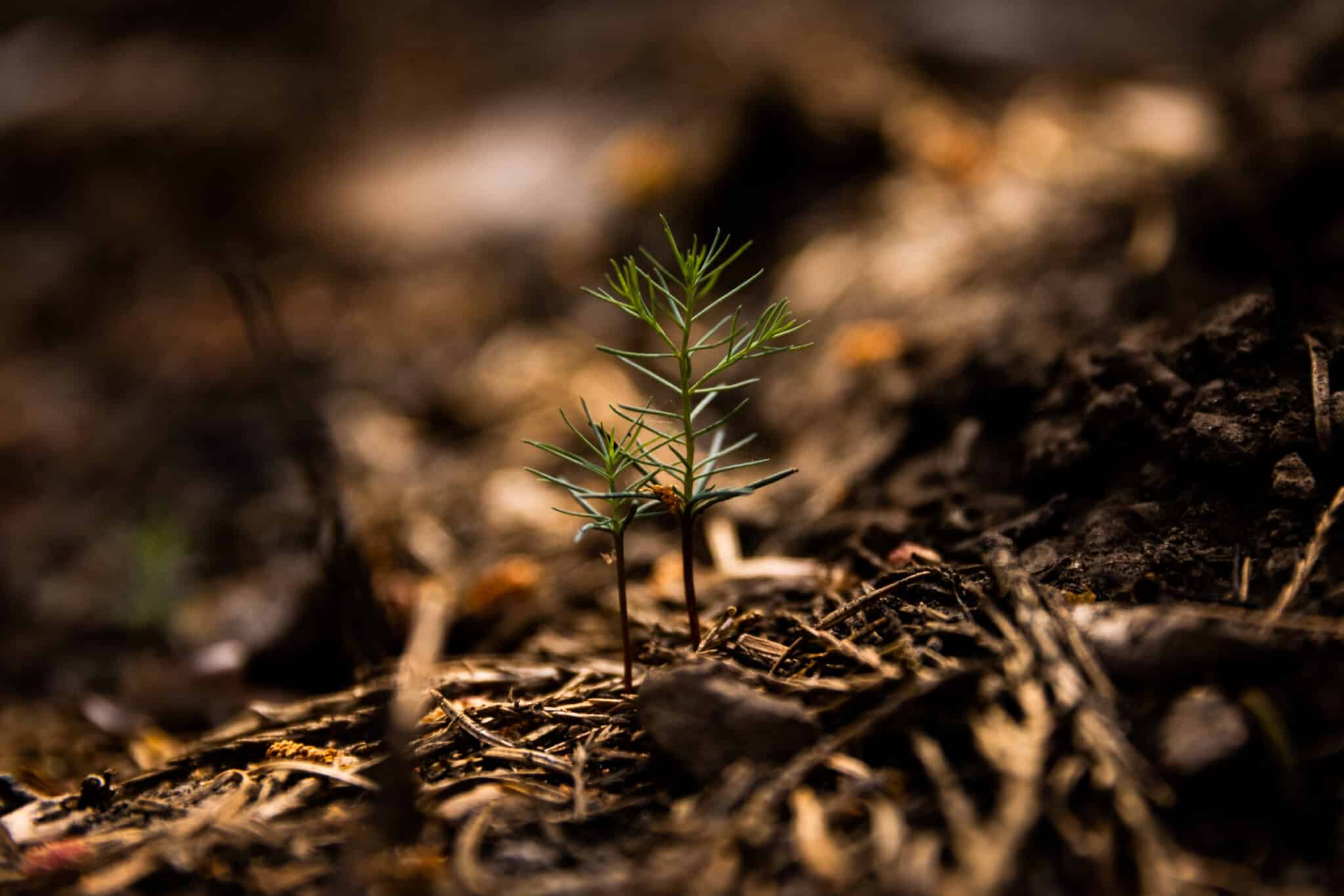
New sequoia seedlings grow at Alder Creek. Photo by Max Whittaker.
At Alder Creek, most of the overly dense trees are white fir and other shade-tolerant species that prefer crowded forests where little sunlight reaches the forest floor. These trees can contribute to severe wildfires because they can act as ladder fuels and allow fire to reach the crowns of giant sequoias, a phenomenon these fire-dependent trees are not adapted to.
Tree density, along with drought, was a major contributor to the high-severity fires that burned parts of the property in 2020. And, even after the 2020 Castle Fire, it remained a danger in areas that burned less severely. In forests with a history of healthy fire, many of these shade-tolerant trees would have been thinned by lightning fires or Indigenous burns. Denser forests also enable faster-spreading insect and fungal outbreaks and make individual trees less able to withstand prolonged drought.
These conditions, combined with a warming, drying climate, have led to an unprecedented loss of old-growth sequoias across the Sierra Nevada since 2015. Giant sequoias are now in a fight for their lives. Save the Redwoods League is committed to doing all we can to create refuge for giant sequoias and other threatened or endangered plants and animals at Alder Creek.
Building a more resilient forest
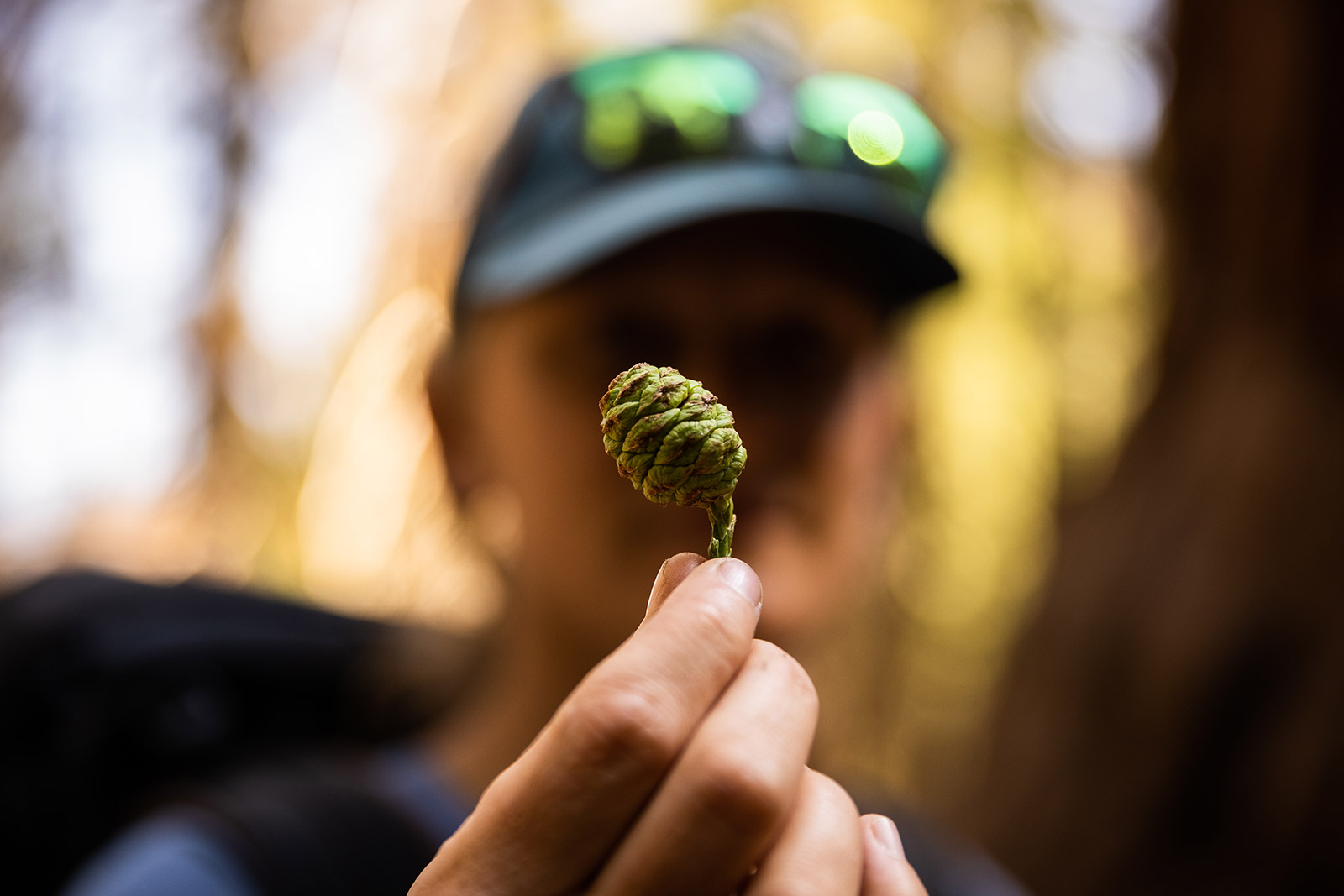
A League staff member holds up an intact giant sequoia cone that survived the 2020 Castle Fire. Photo by Max Whittaker.
Our essential restoration work has already significantly enhanced Alder Creek’s health and wildfire resilience. Alongside Tribal partners and members of the Giant Sequoia Lands Coalition (GSLC), our primary focus has been reducing the risk of high-severity fire by lowering the unnatural buildup of fuels, including shrubs, trees, and leaf litter.
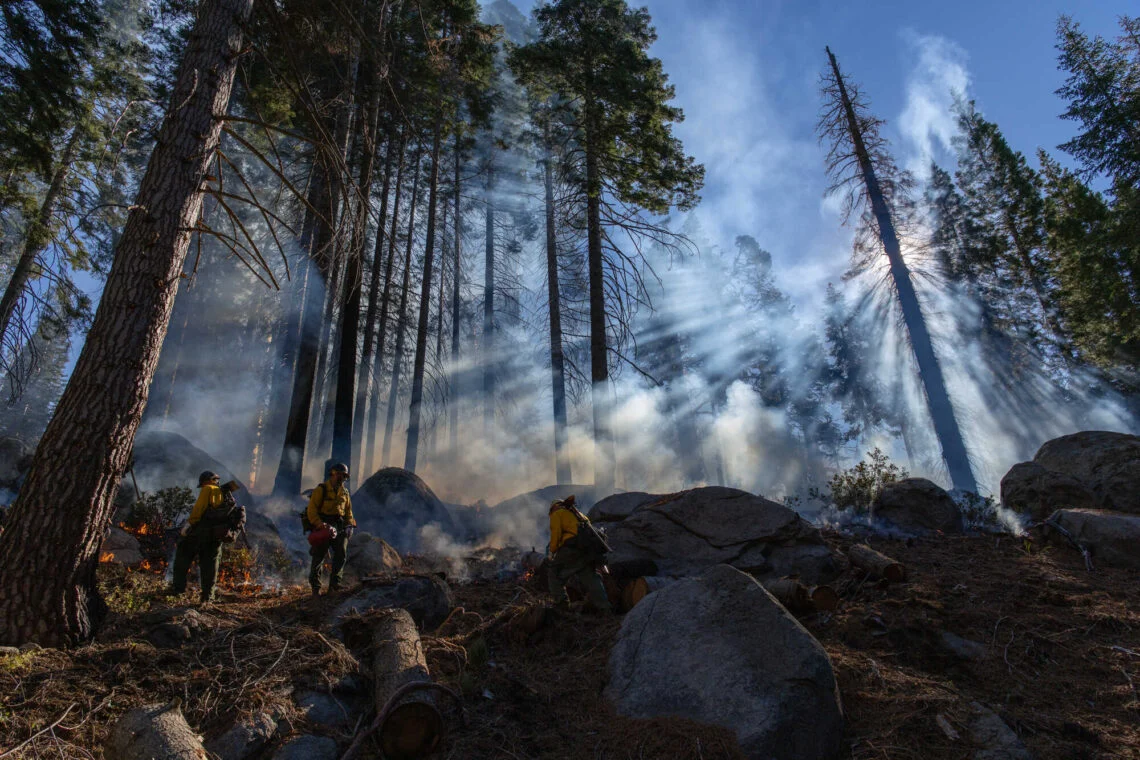
Prescribed burning at Alder Creek reduces fuels on the ground. Photo by Coldwater Collective.
Our accomplishments and important ongoing work include:
- Since 2024, regional Tribes—including the Tule River Indian, North Fork Mono, and Tübatulabal Tribes—have been leading cultural burns at Alder Creek, reducing fuels, cultivating culturally significant plants, and creating ceremonial space for Tribal communities.
- With our partners in the GSLC, we’ve reduced fuels and improved grove health through low-intensity prescribed burns, pile burns, and by removing excess vegetation by hand and with mechanical equipment.
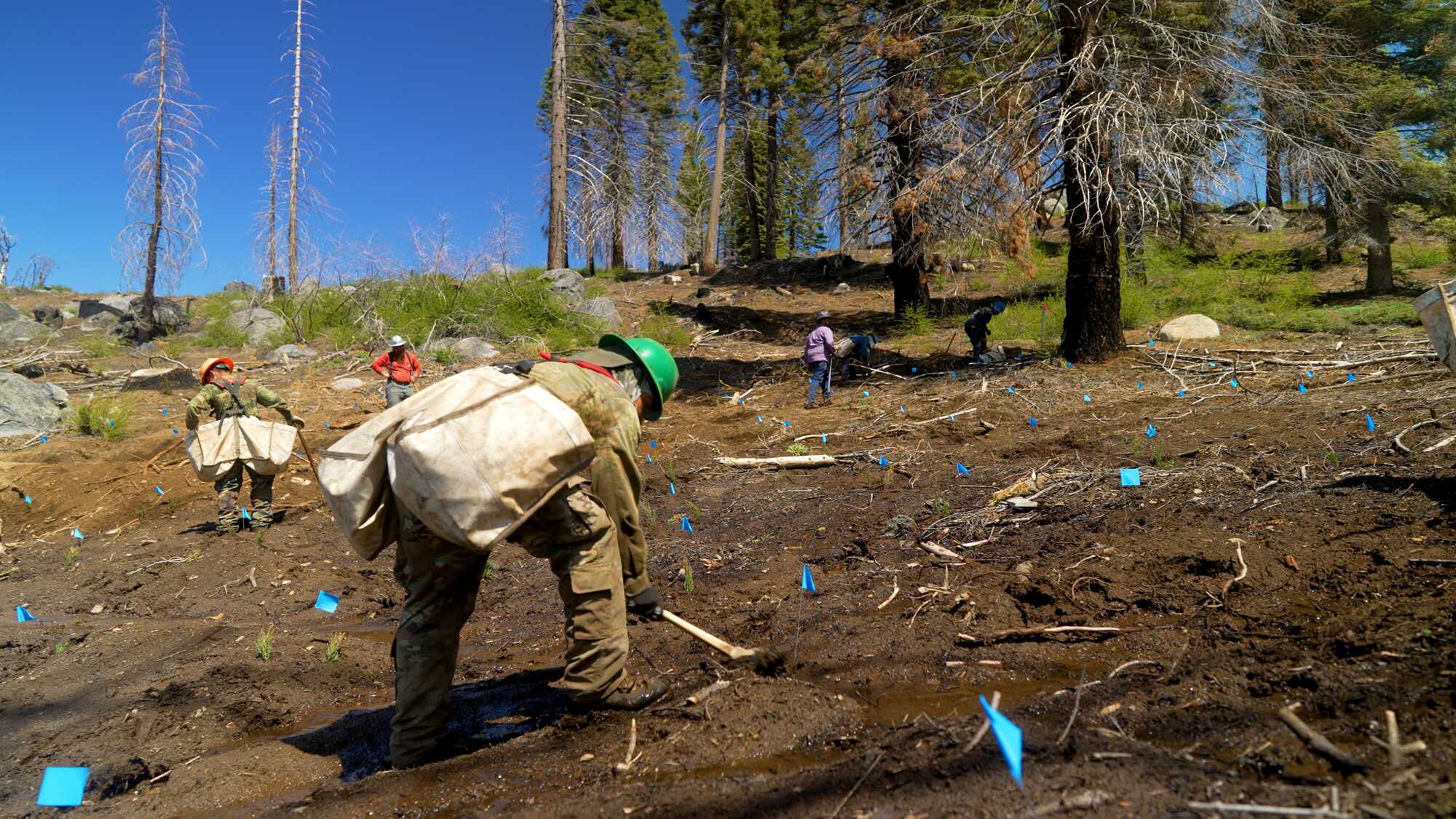
- Planted 50,000 seedlings in areas where high severity fire meant they were unlikely to regenerate on their own.
- In collaboration with American Forests, we surveyed and monitored giant sequoia cones and collected seeds for future reforestation efforts.
- Thinned overly dense shade-tolerant tree species, primarily white fir.
- Created canopy openings so sunlight can reach the forest floor and help giants sequoias grow and improve habitat diversity for all flora and fauna.
- Encouraged a diverse understory and preserved dead and living trees that provide valuable habitat for birds, raptors, small mammals, and other wildlife.
- This forest restoration work is guided by the best available science. We also work closely with Tribal partners—particularly the Tule River Tribe—to incorporate Traditional Ecological Knowledge into our practices. A Tribal liaison and site monitor provide on-the-ground guidance for restoration and stewardship and help organize cultural burn events at Alder Creek.
Significant funding for this project has been provided by the Sierra Nevada Conservancy, an agency of the State of California.