
June 17, 2026
San Francisco, Calif. (June 17, 2026) – Save the Redwoods League objects to the inadequate mitigation package recently proposed by the California Department of Transportation (Caltrans) for Last Chance Grade. This critical project would construct a 6,000-foot tunnel that will directly impact old-growth coast redwood forests in Del Norte County to realign US-101 and bypass a geologically unstable 3.5-mile stretch of the highway along coastal cliffs.
On May 29, 2026, Caltrans released their Final Environmental Impact Report and Statement for Last Chance Grade, which included a mitigation proposal to compensate for damages created by the project in portions of Redwood National and State Parks (RNSP) including old-growth redwoods. This mitigation is designed to ‘balance the scales’ for negative environmental impacts caused by tunnel construction in this UNESCO World Heritage Site by providing sufficient funding to accelerate second-growth forests toward old-growth status.
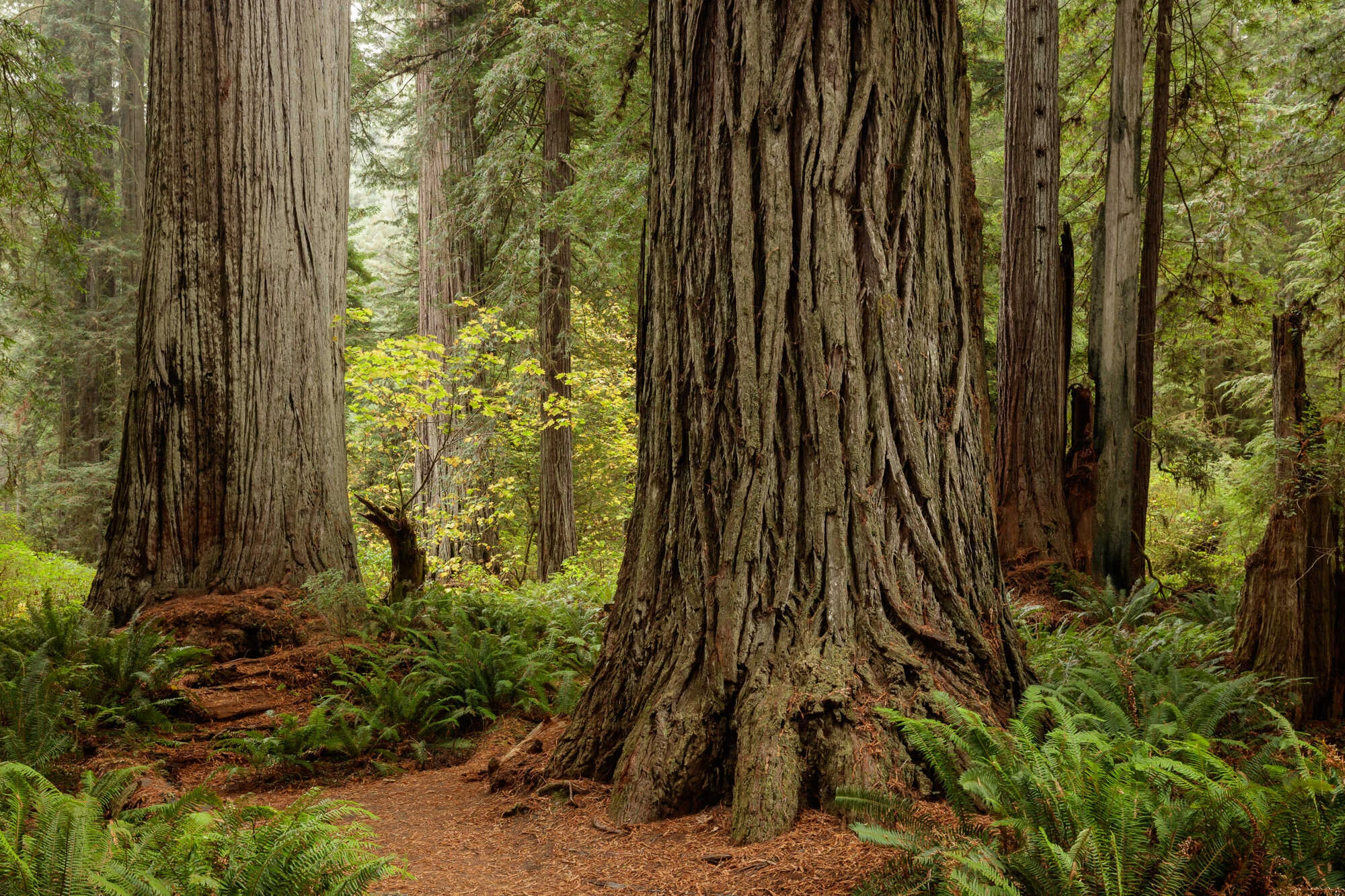
Only 5% of California’s original old-growth coast redwoods remain today, and this project will require the removal of up to 144 mature trees in RNSP, including 16 protected, centuries-old redwoods up to 8.9 feet in diameter. Mitigation funding would be directed to restoration work at Redwoods Rising, a partnership in which Save the Redwoods proudly participates alongside California State Parks and the National Park Service in RNSP.
Caltrans offered two potential mitigation strategies: a combination of funding for land acquisition of at least 335 acres and restoration work in RNSP totaling 335 acres, or alternatively, funding solely for restoration work that would cover 670 acres. Unfortunately, the scale of restoration that the proposed mitigation package would enable is not commensurate with the loss that the removal of these old-growth redwoods represents. The total value of this current mitigation proposal amounts to less than half of 1% of the projected $2.7 billion budget for Last Chance Grade, an insufficient attempt at restitution for cutting down some of the world’s last remaining ancient redwoods.
“While Save the Redwoods supports the overall intention of Caltrans’ mitigation strategy, including providing funding for Redwoods Rising, the proposed scale of the package is deeply flawed and fails to address the significant environmental impact that the Last Chance Grade project will incur,” said Ben Friedman, director of government affairs and public funding at Save the Redwoods League. “Old-growth redwoods are among Earth’s oldest living organisms, represent vast potential as natural climate allies and are iconic fixtures of California. If select old-growth redwoods must be casualties of this project, then Caltrans must offer a robust, meaningful mitigation package to recognize the value of these invaluable trees and help fund activities that promote the old growth of the future. We look forward to working with Caltrans to advance a suitable mitigation package.”
When old-growth redwoods are cut down, more than the trees themselves are lost. These forests provide critical habitat for vulnerable wildlife, like the marbled murrelet and the northern spotted owl, and store more carbon per acre than any other forest type in the world. It takes hundreds of years to cultivate successful, mature coast redwood habitat, making the removal of any old-growth redwoods truly devastating.
Save the Redwoods laments the loss of these ancient trees while acknowledging the difficult reality that there is no way to safely address Last Chance Grade without removing some of these redwoods. For decades, this 3.5-mile section of Highway 101 between Eureka and Crescent City has been plagued by landslides and frequent closures, with no viable alternate routes for local communities, commerce or tourism. Completing this project will improve safety for travelers, support the regional economy and preserve vital Tribal and community connectivity.
Since 2015, Save the Redwoods has worked closely with Caltrans and Congressman Huffman’s Stakeholder Working Group to assess Last Chance Grade, limit the project’s environmental impact to the least harmful option and explore mitigation opportunities that reflect the substantial nature of that impact. These past conversations have been productive and transparent, but Caltrans’ existing mitigation proposal is simply not acceptable.
In recent engagements, Caltrans has indicated their willingness to revisit the project’s mitigation package with Save the Redwoods and fellow stakeholders. We urge Caltrans to continue these discussions in good faith to ensure more appropriate mitigation for Last Chance Grade. Old-growth redwood forests are irreplaceable, and far more work is needed to properly calculate equitable compensation for these ancient trees than is reflected in Caltrans’ current proposal.