September 21, 2026
At a glance:
- 72 acres added adjacent to the Headwaters Forest Reserve landscape
- The land was transferred to the Bureau of Land Management for permanent stewardship
- 10 years of Save the Redwoods restoration have improved forest and river habitat
- Critical Elk River corridor protected for salmon and steelhead
- May present future opportunities for public access and Tribal partnerships
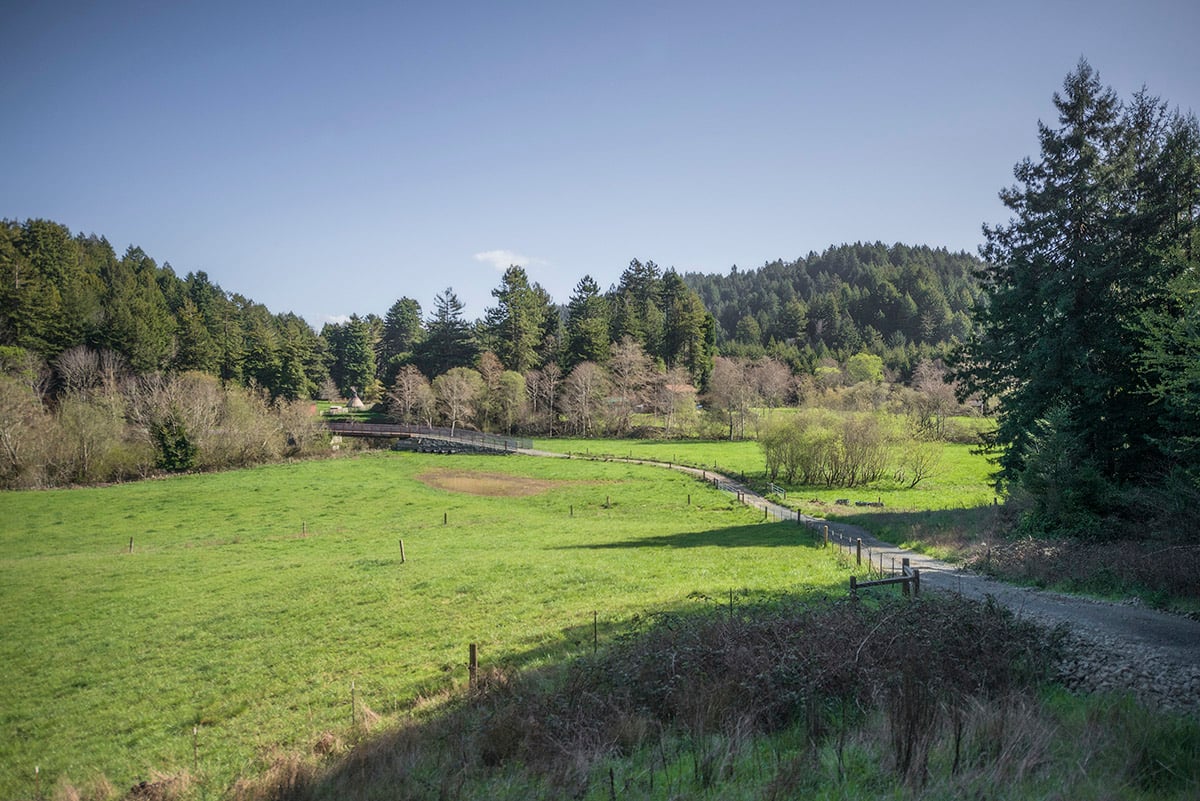
Nestled along the northwestern edge of Headwaters Forest Reserve, in Humboldt County, the 72-acre Westfall Ranch property is home to thriving second-growth redwoods and a vibrant stretch of river where steelhead trout and coho salmon spawn.
Since acquiring Westfall Ranch in 2016, Save the Redwoods has stewarded the property, working to revive its forest ecosystem through reforestation, river restoration, fencing, and invasive plant removal.
Now, Westfall Ranch is entering a new chapter. On September 9, 2026, Save the Redwoods transferred the property to the Bureau of Land Management (BLM), entrusting its future to an agency well positioned to steward the land for generations to come.
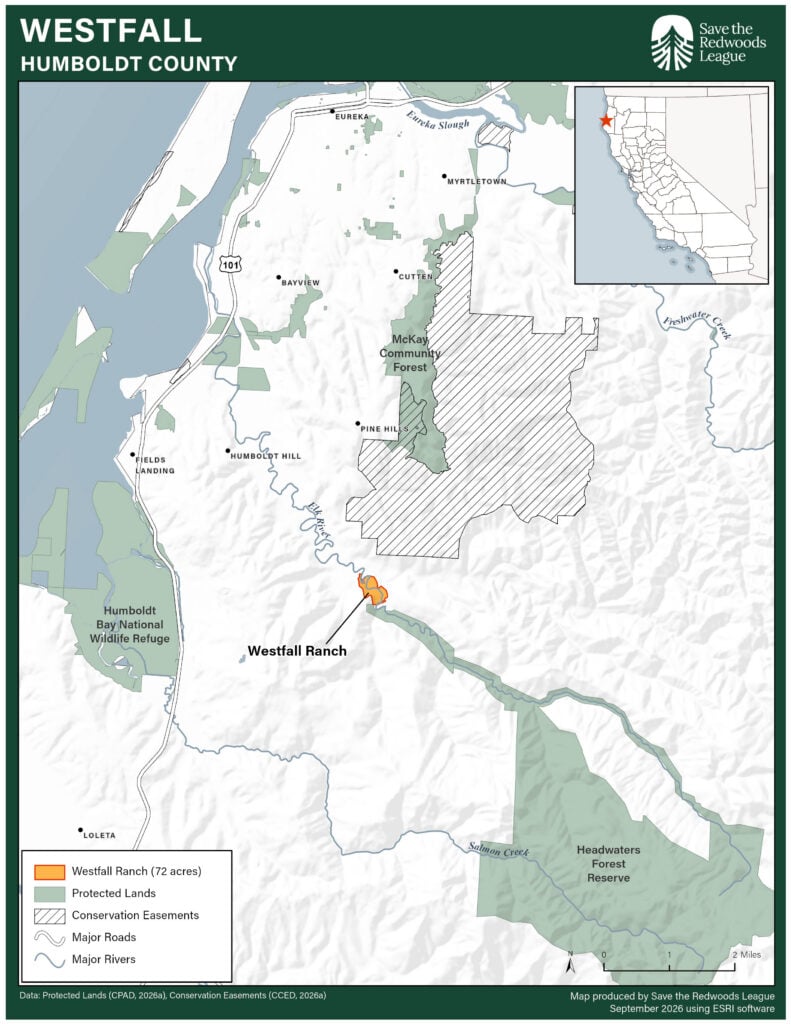
The BLM already manages the Headwaters Forest Reserve. The Westfall addition will serve as a natural extension of one of the largest protected old-growth coast redwood forests in the world.
“If the Headwaters Forest Reserve is like a teapot, then Westfall is at the end of the spout,” says Anthony Castaños, senior land stewardship manager at Save the Redwoods. “Getting there is just following the river.”
A history of helping hands
For years, Westfall Ranch was surrounded by industrial timberlands. Its mature redwood forest was clear-cut and converted to cattle pasture, while erosion from dozens of nearby logging roads washed sediment into the Elk River, blocking fish passage.
When rancher Andy Westfall turned the property into an agricultural preserve in 2008, he set it on a path toward sustainable ranching and, eventually, conservation. Unlike previous owners, he prevented overgrazing and kept cattle and their waste away from the river.
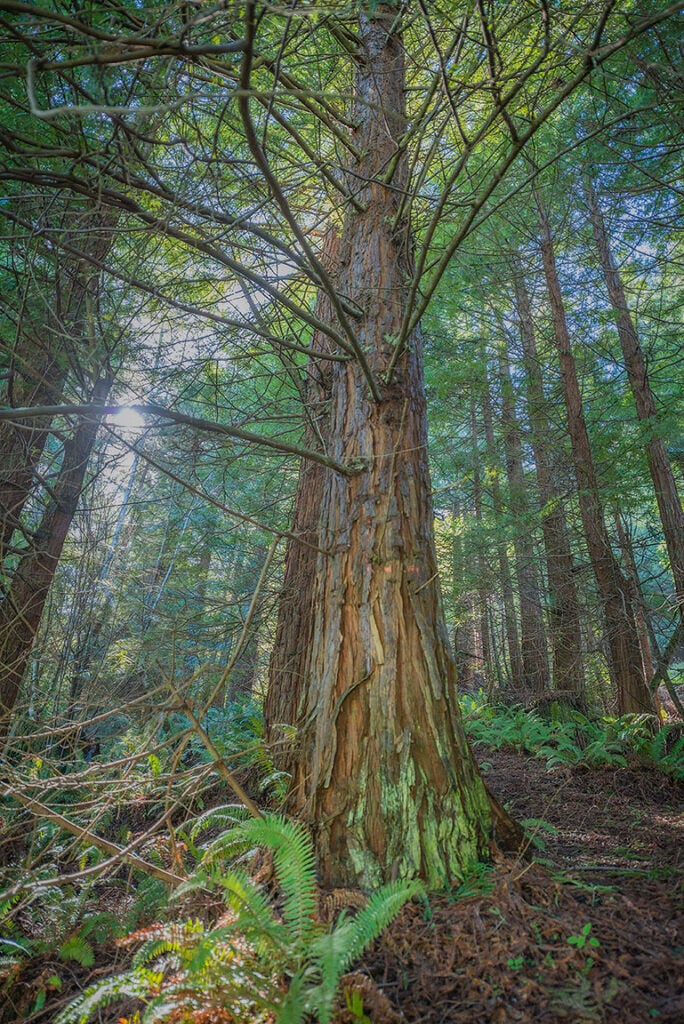
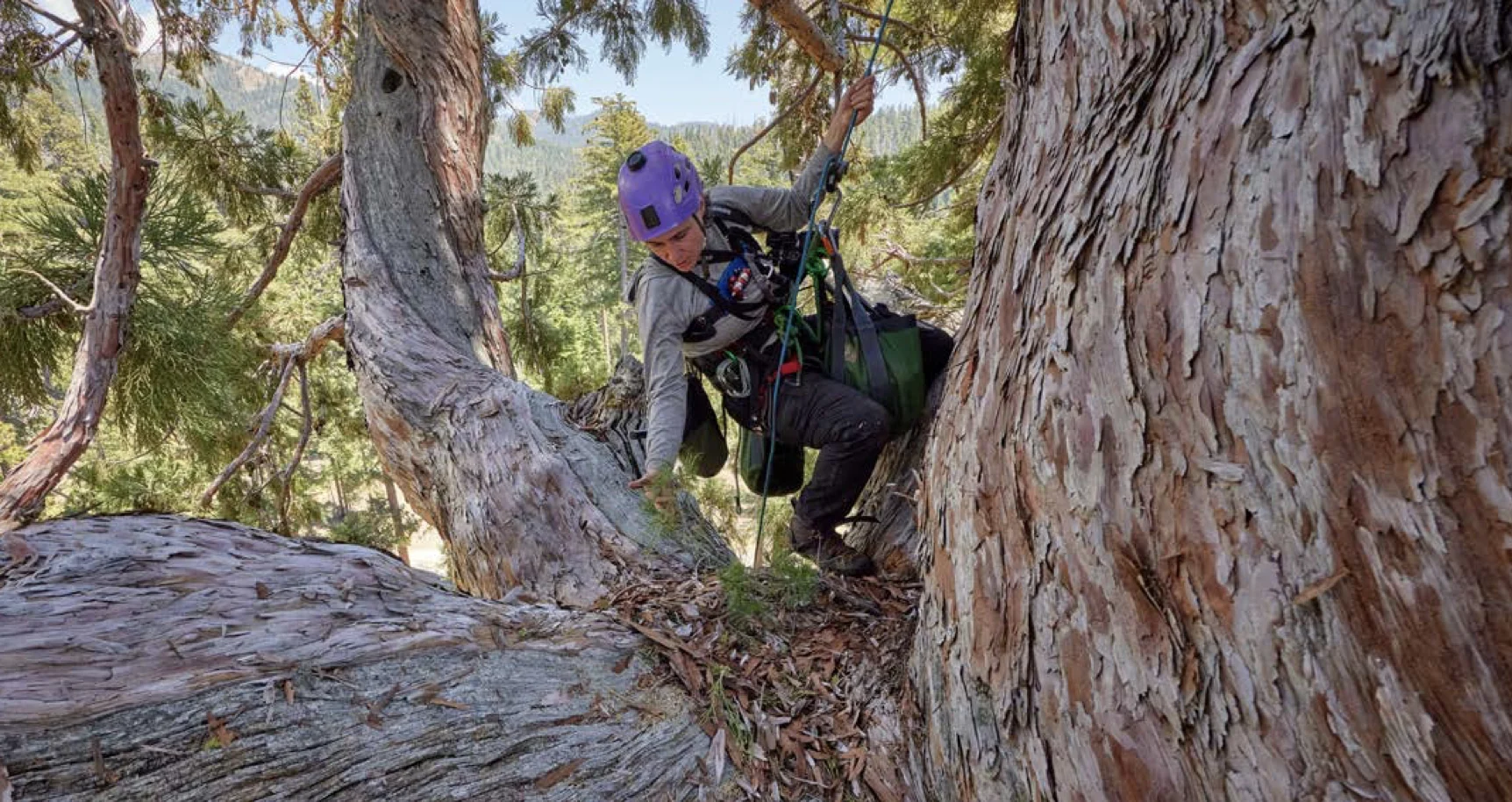
Save the Redwoods has helped put Westfall’s second-growth redwood on a path to old-growth characteristics. Photo by Mike Shoys.
Despite the history of logging on the property, Westfall is still home to towering coast redwood trees, many over a century old. “That’s the thing about redwoods,” Castaños says. “You can cut them down, but they regrow from the same spot. They’re resilient.”
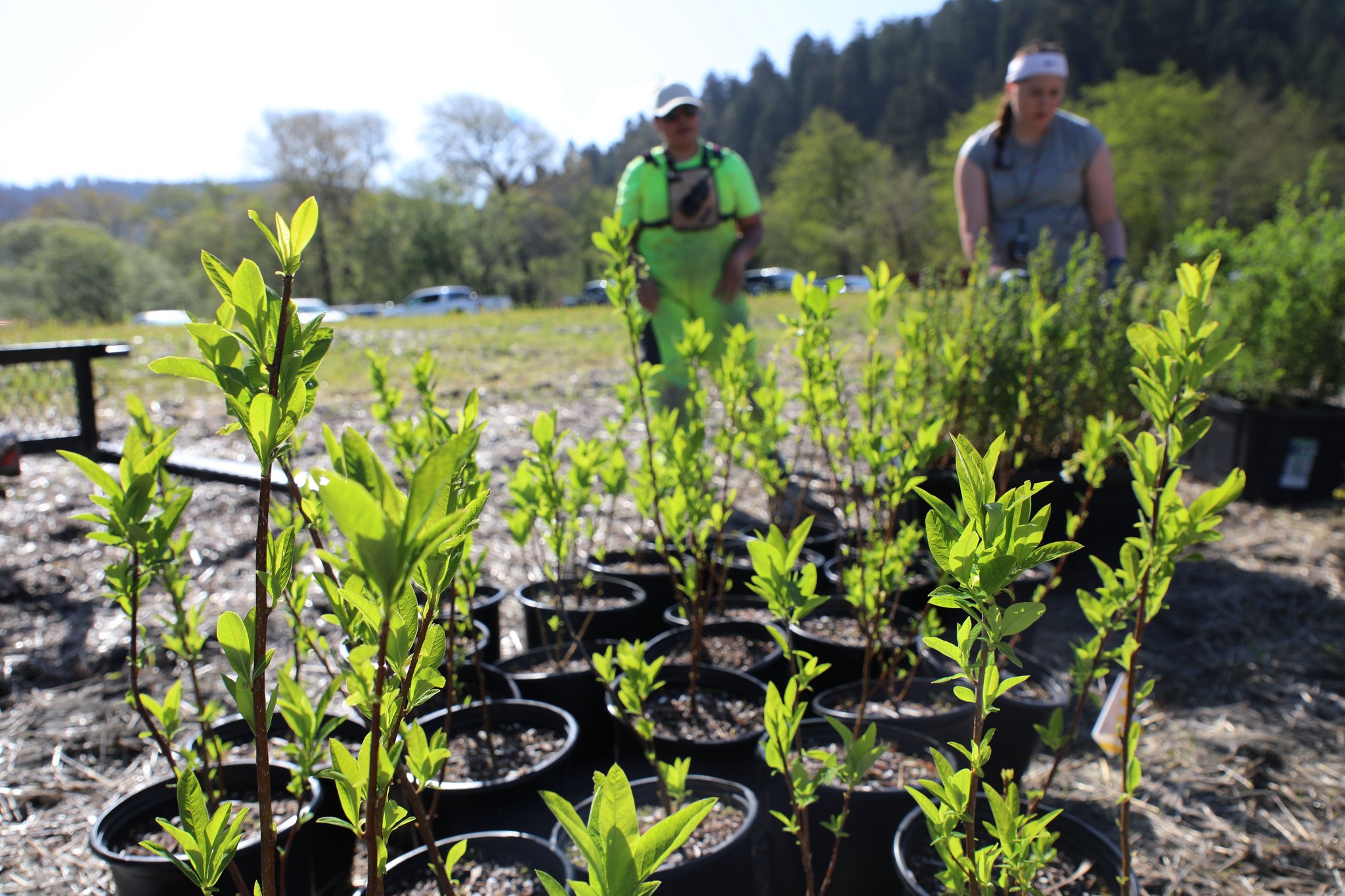
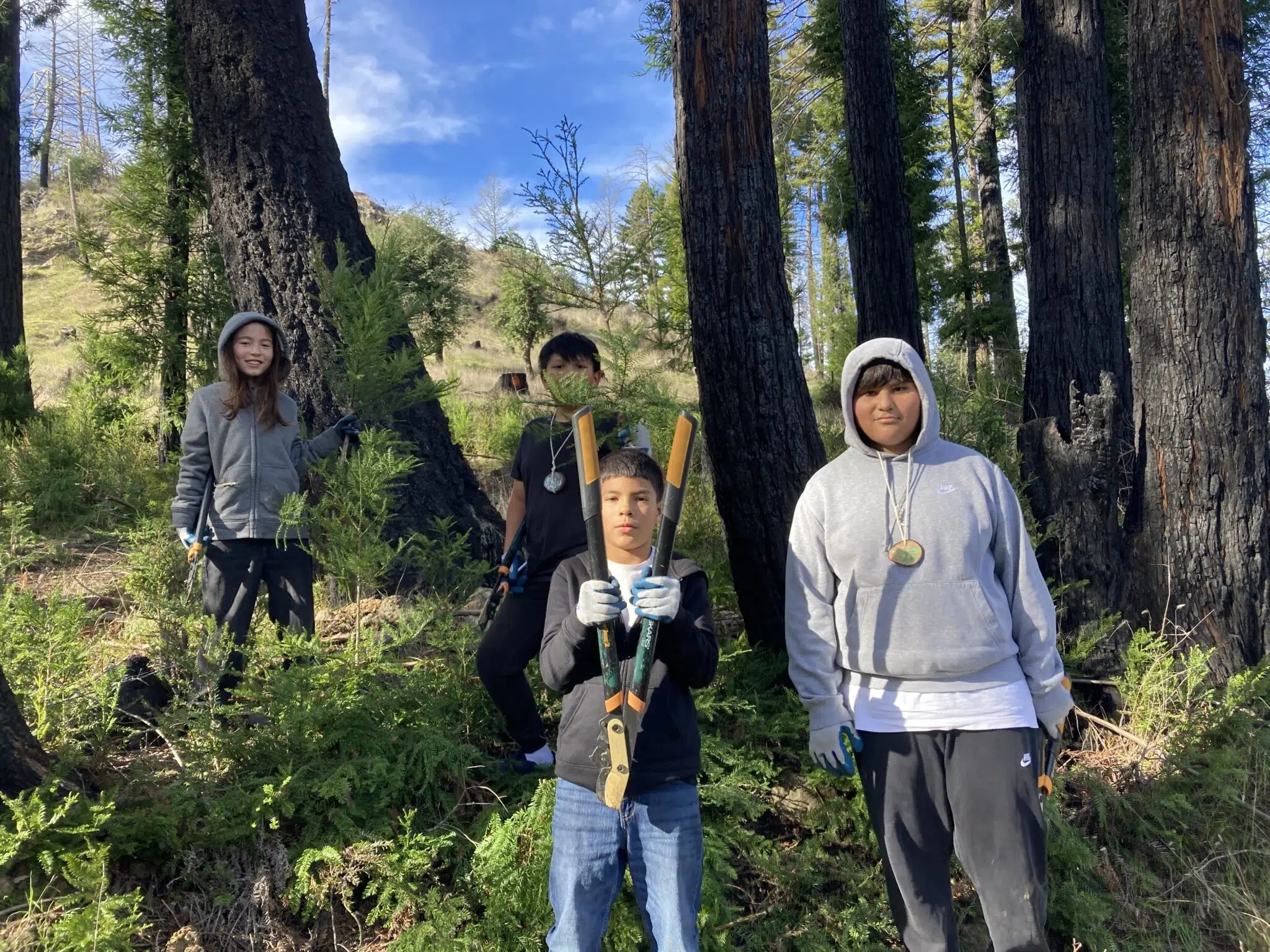
In 2016, with support from more than 3,000 individual donors, Save the Redwoods purchased the property from the Westfall family for $1.1 million and immediately got to work restoring the land. California Conservation Corps crews helped remove invasive plants, while workers cut wildlife fences that had restricted the movement of deer and other animals. Alders and coast redwoods were replanted throughout the meadows, expanding and reconnecting the property’s existing redwood forest.
One-of-a-kind opportunity
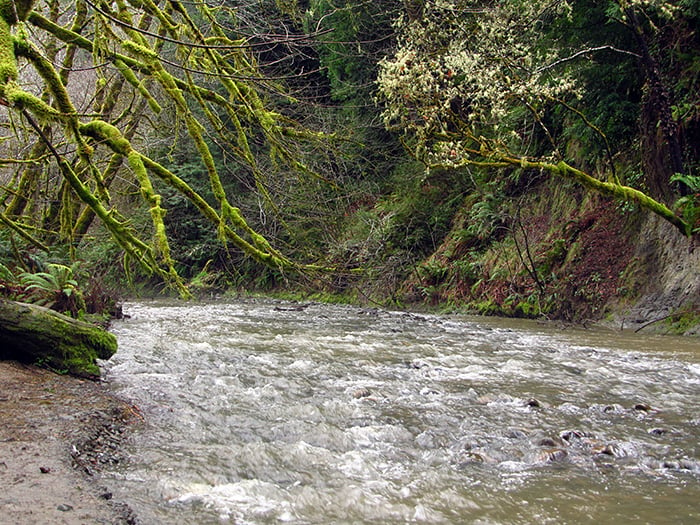
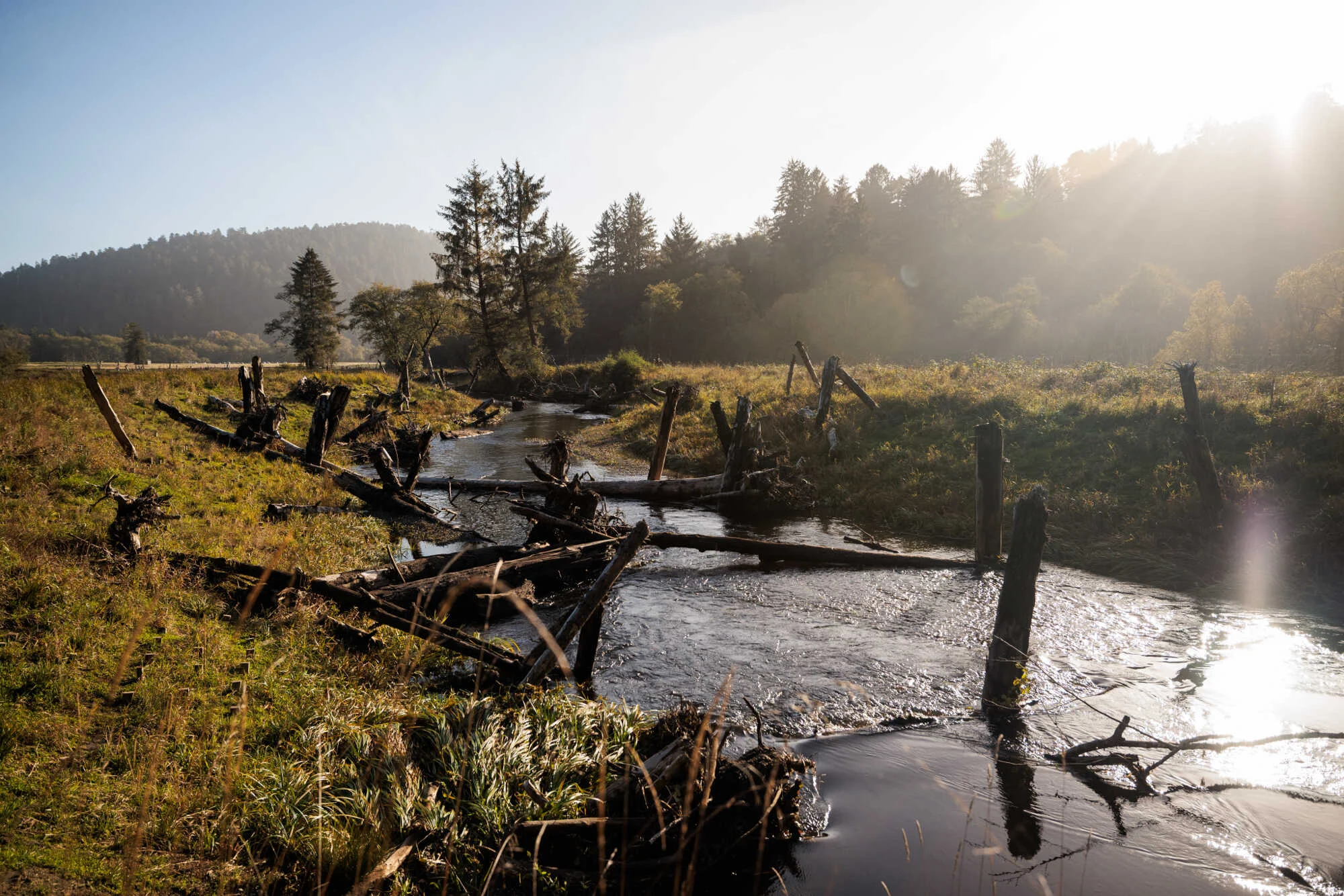
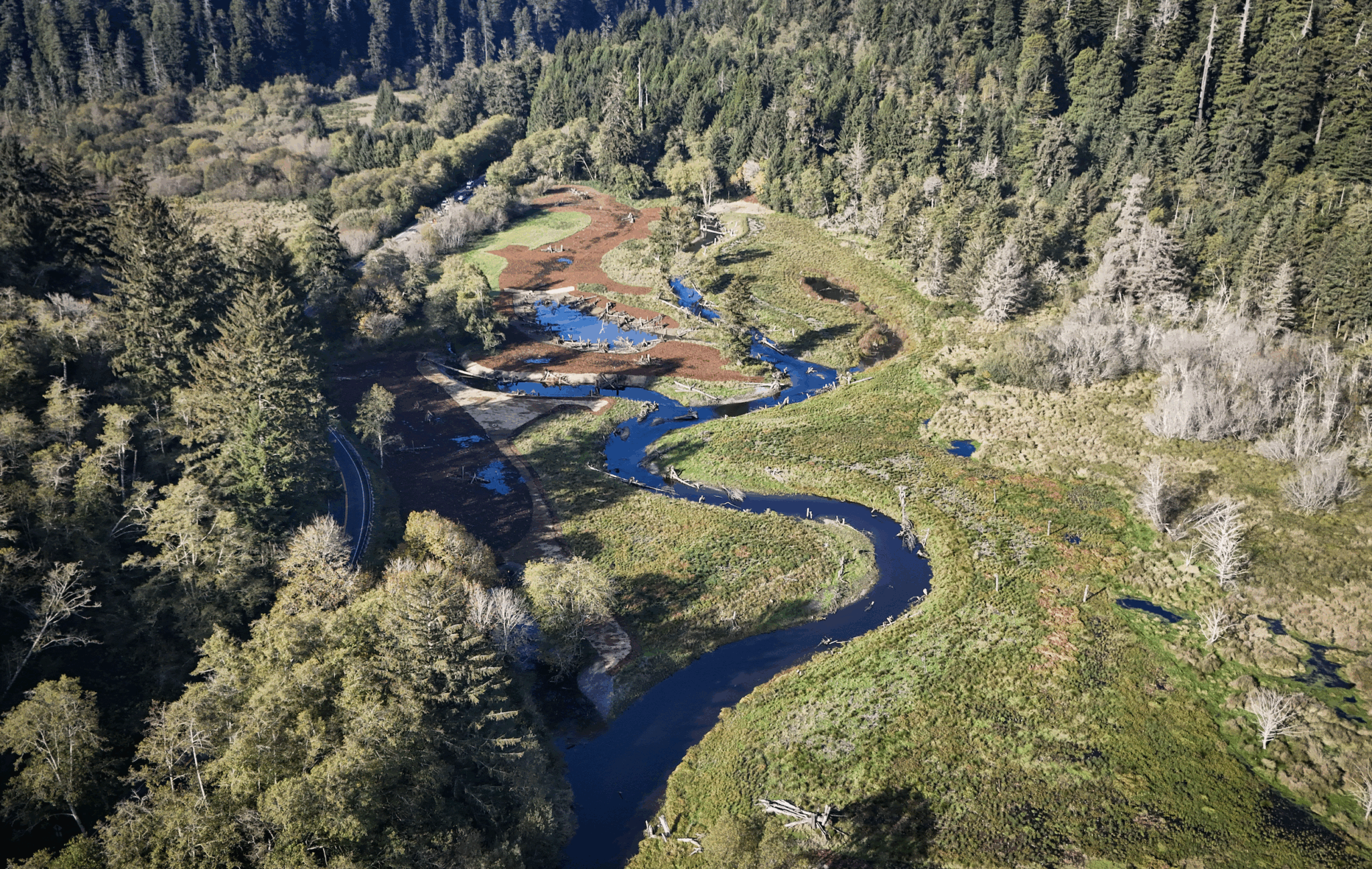
The Elk River provides crucial habitat for fish like steelhead trout and coho and Chinook salmon as it winds through Westfall Ranch. Photo by David LaFever.
“We don’t often acquire this kind of Class-I, fish-bearing river with such potential for restoration,” says Castaños. “Class-I” rivers are the most robust—they flow year-round, and harbor fish far more frequently and in greater numbers than smaller perennial streams. “It’s pretty rare that we get a piece of land with a watercourse this spectacular,” says Castaños.
Fish are easy to spot in the river, whether they’re spawning, exploring, or occasionally pushed downstream from Headwaters Forest Reserve during a heavy storm. And it’s not just fish. On some days, you might even spot a river otter sunbathing along the banks.
The restoration of the larger Elk River is an ambitious, multiagency project that will require deep coordination in restoration efforts along its entire length. Save the Redwoods has already laid the groundwork in the Westfall area by targeting the best areas for sediment removal. “We’ve done some planning to define where those erosion areas are,” says Castaños. “It’s all a part of the restoration.”
As more sediment is removed, the river will grow healthier and support even more life.
New partnerships, new access
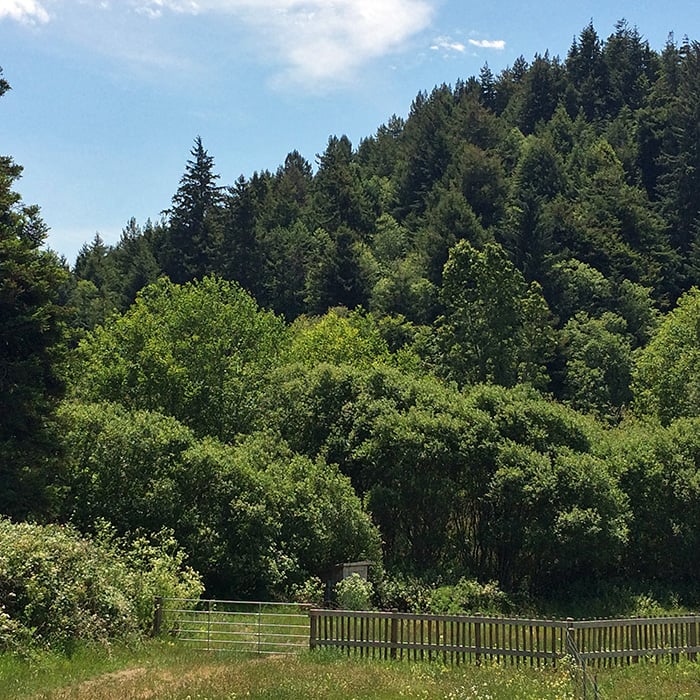
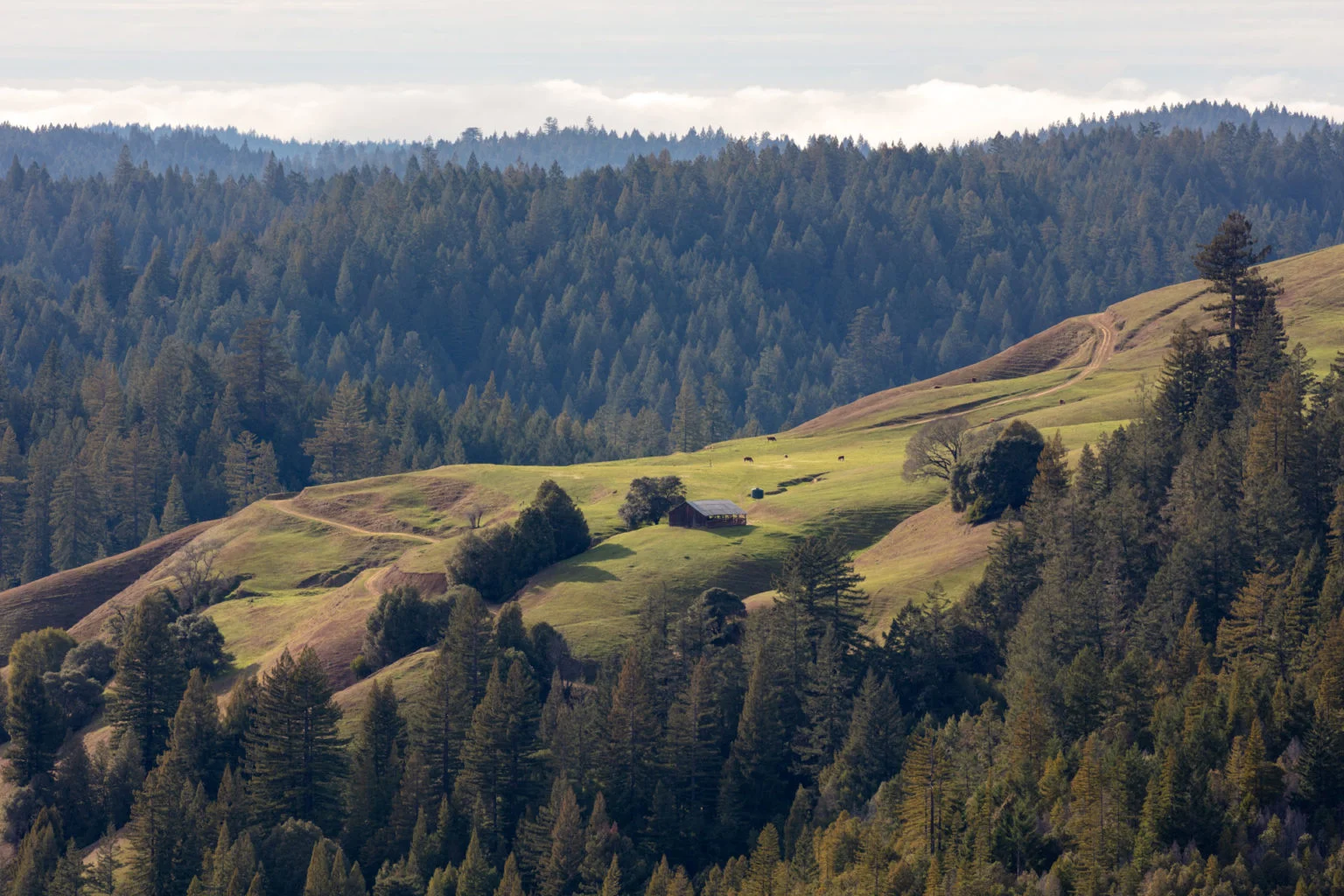
Westfall Ranch’s 72 acres include a stunning second-growth redwood forest.
Today, black bears wander the ranch’s meadows, plucking apples from the trees, while deer roam freely across the landscape now that the fences are gone. The transformation is already visible, and with the land now in BLM care, there is still more recovery to come.
Although Headwaters Forest Reserve has limited public access points, the addition of Westfall Ranch could create new opportunities for visitors, particularly on the reserve’s northwestern side. New trails and expanded recreational access may be possible in the future.
Ongoing restoration efforts will also benefit from new partners. For example, the BLM will work with the Wiyot Tribe to remove invasive plants and help restore native forest habitat.
Save the Redwoods will remain a long-term partner at Westfall, providing guidance on active restoration projects. “We’re lucky to have partners like the BLM,” Castaños says. “We’re excited to continue working together for years to come.”