Save the Redwoods League recognizes that enduring redwoods conservation is best achieved by working in partnership with Tribes, honoring the traditional knowledge systems, cultural practices, and deep, ongoing relationship with place that Indigenous communities uniquely bring to this work. Tribes have cared for redwood forests since time immemorial, and today Indigenous communities are guiding efforts to protect and restore redwood ecosystems, grounded in values of respect, reciprocity, and long-term care. Save the Redwoods partners with Tribes throughout the redwood range, working together to advance shared conservation goals.
These partnerships support the protection and restoration of connected forest ecosystems while strengthening communities, cultures, local economies, and redwood visitor understanding.
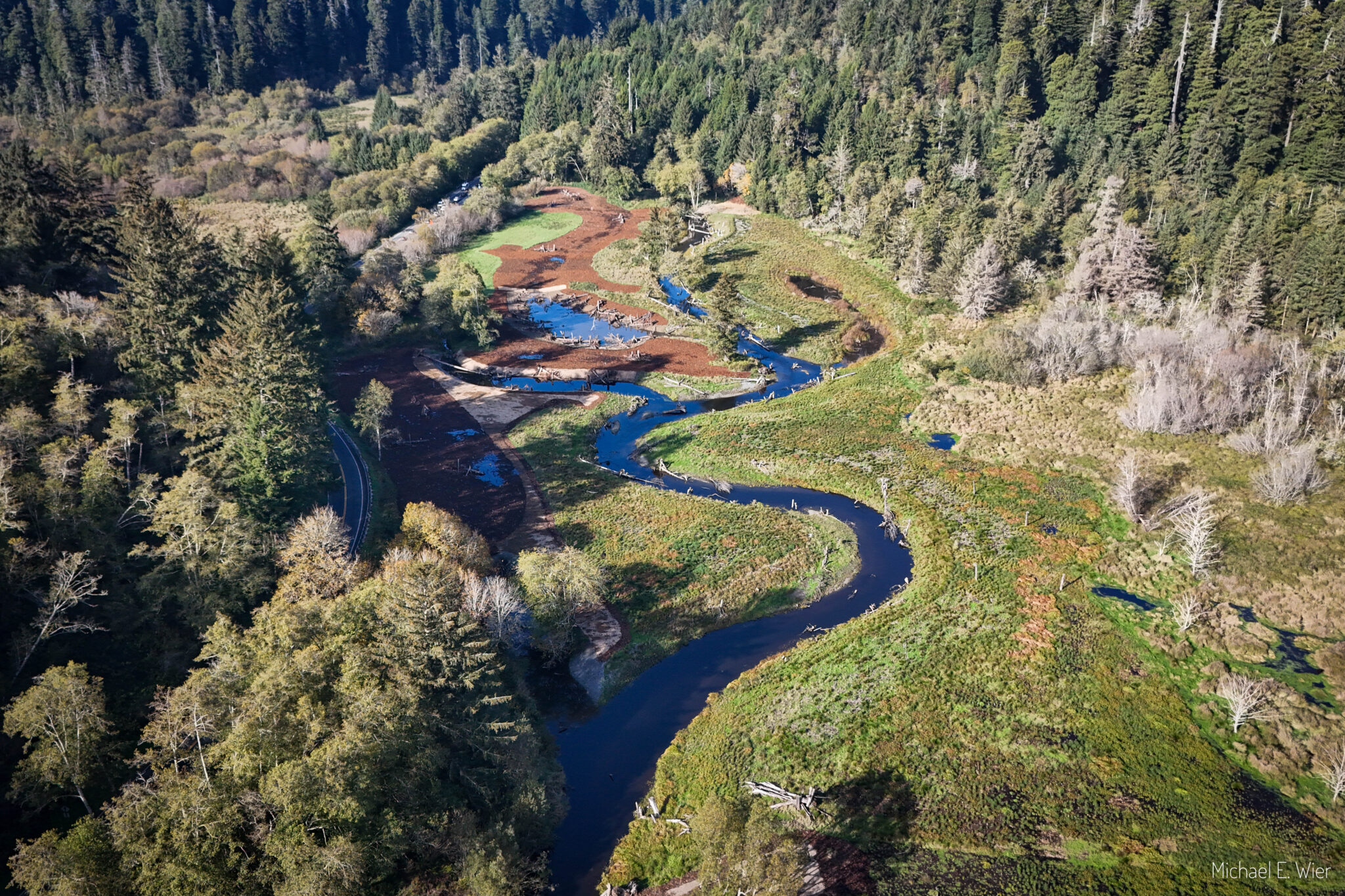
Tribal partners bring essential expertise, perspectives, and resources to this work. Their leadership and Traditional Ecological Knowledge—developed over generations—inform approaches that blend cultural practices, such as cultural burning and aquatics restoration, with modern conservation efforts. This work reflects and upholds Tribal sovereignty while restoring the health and resilience of forests and communities alike. By advancing stewardship practices that heal landscapes and restore balance, together we are accelerating the pace of redwood conservation.
When redwood forest storytelling illuminates living Indigenous cultures, we co-create visitor experiences that welcome all. Through shared stewardship, we learn how Tribes heal redwood systems while restoring their relationships with these forests.
This is a new era of conservation. Save the Redwoods embraces its potential through sustained Tribal partnerships that help redwood forests and communities flourish in the hands of their original guardians.
Redwood guardians since time immemorial
Tribes and Indigenous communities steward lands across the redwood range.
Since time immemorial, these communities have cared for the land through practices that enable biodiversity and abundance, and ensure the health and longevity of redwood forests. Many Tribes regard redwoods as sacred living beings and relatives with whom they share a reciprocal relationship.
Acknowledging a history of erasure and exclusion
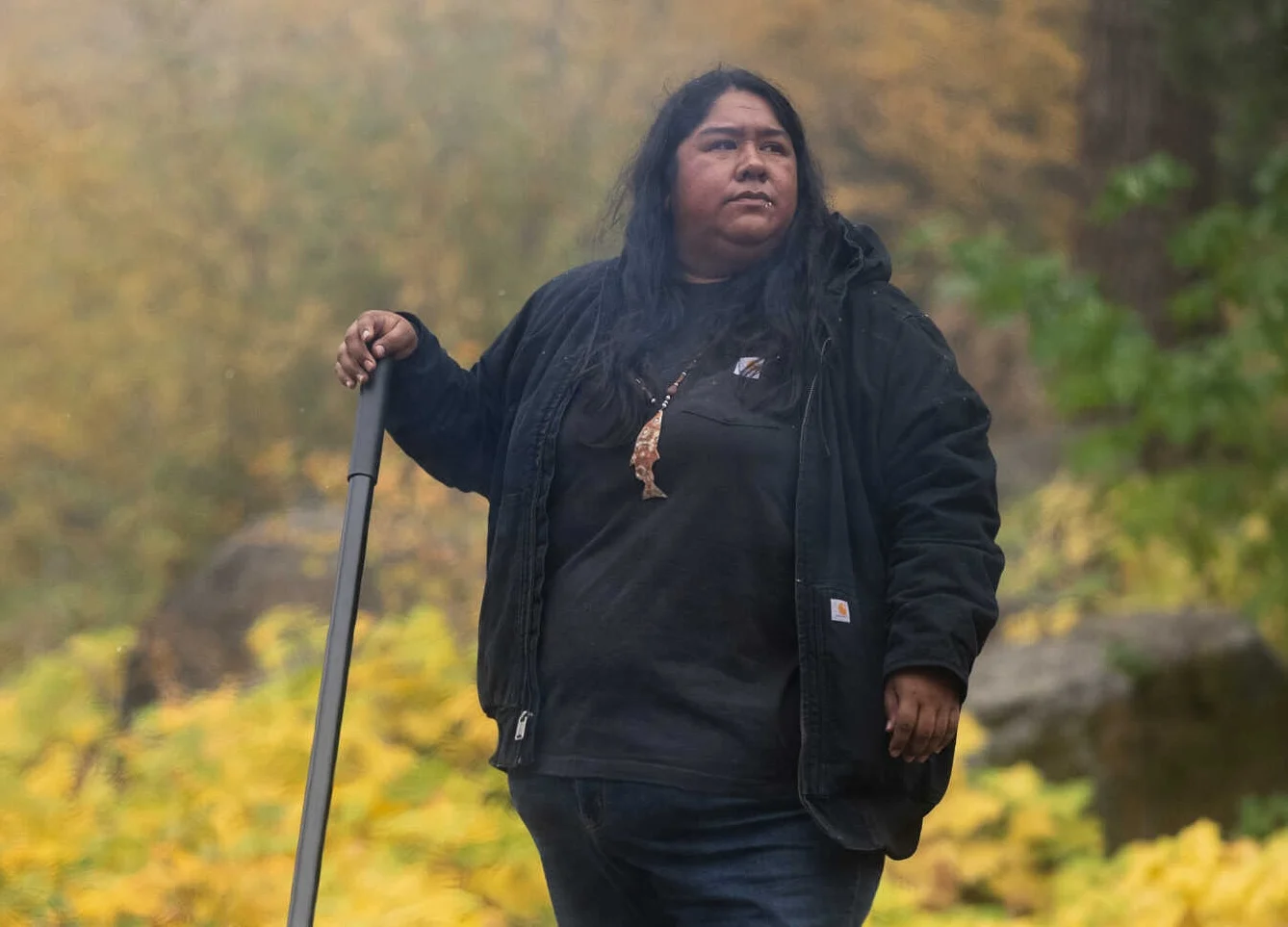
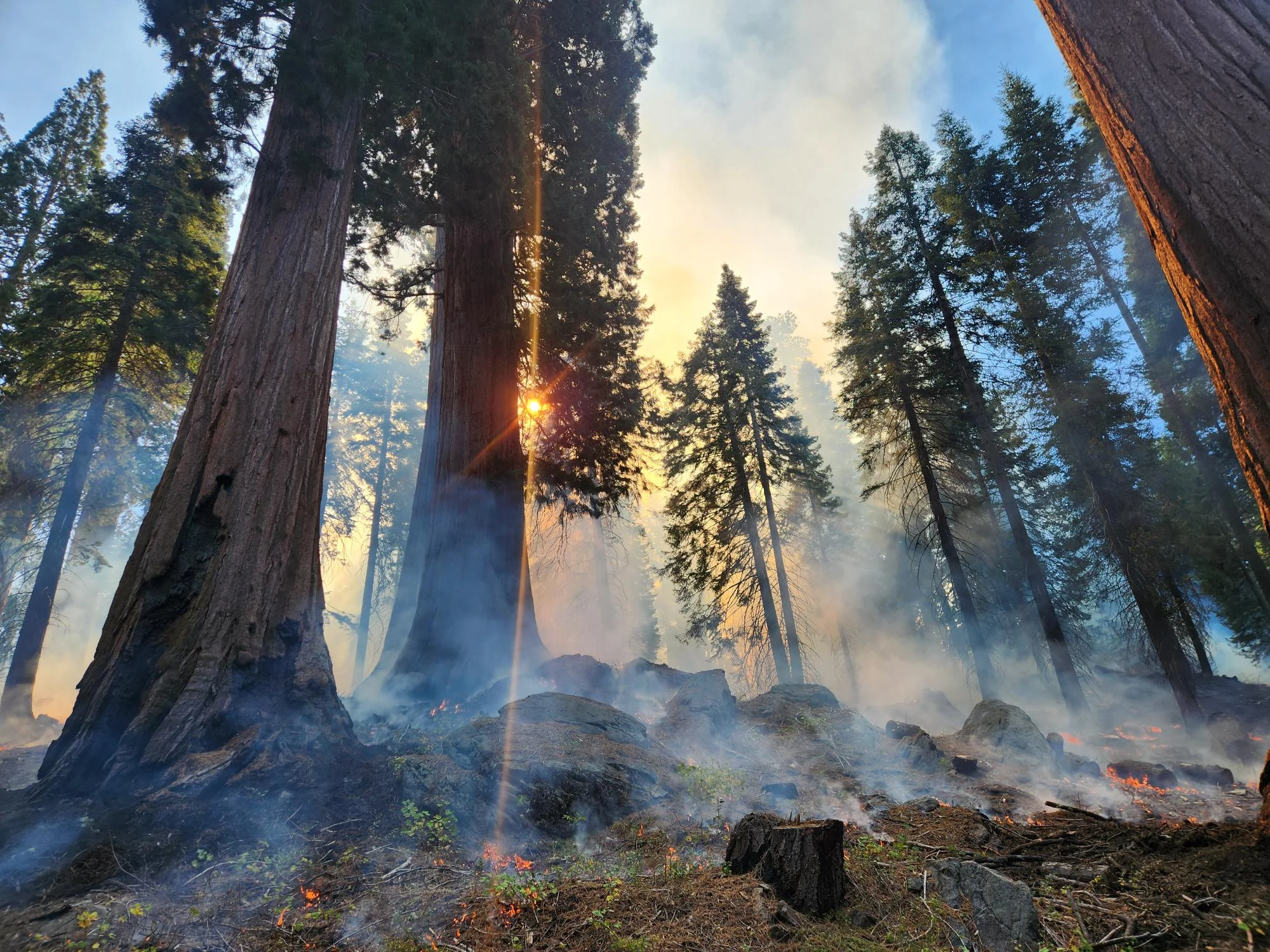
Restoring relationships to ancestral lands begins with recognizing and supporting Indigenous stewardship. Photo by Evan-Marie Petit Photography.
Save the Redwoods recognizes that the arrival of European colonizers in the mid-19th century led to significant injustices, including genocide and the forced removal and displacement of numerous Indigenous peoples and the unrestrained and extensive logging of redwoods.
The early redwood conservation movement compounded Indigenous displacement and oppression by failing to recognize Tribal rights to the land. Rooted in the racial biases and settler colonialism embedded in the founding of the United States, exclusionary ideologies, policies, and laws shaped property ownership, conservation priorities, and who was included—or excluded—from access to protected places.
We acknowledge this history of erasure and exclusion. Today, we are working to transform all aspects of our work in response. Indigenous communities continue to fight for their land and water rights while they actively restore their relationships with ancestral lands and stewardship traditions. By building reciprocal relationships with Tribes, we are learning, restoring Tribal stewardship, and centering Indigenous perspectives in parks. These efforts are grounded in the deep knowledge and enduring relationships Tribes have with these lands.
Our vision for Tribal partnerships
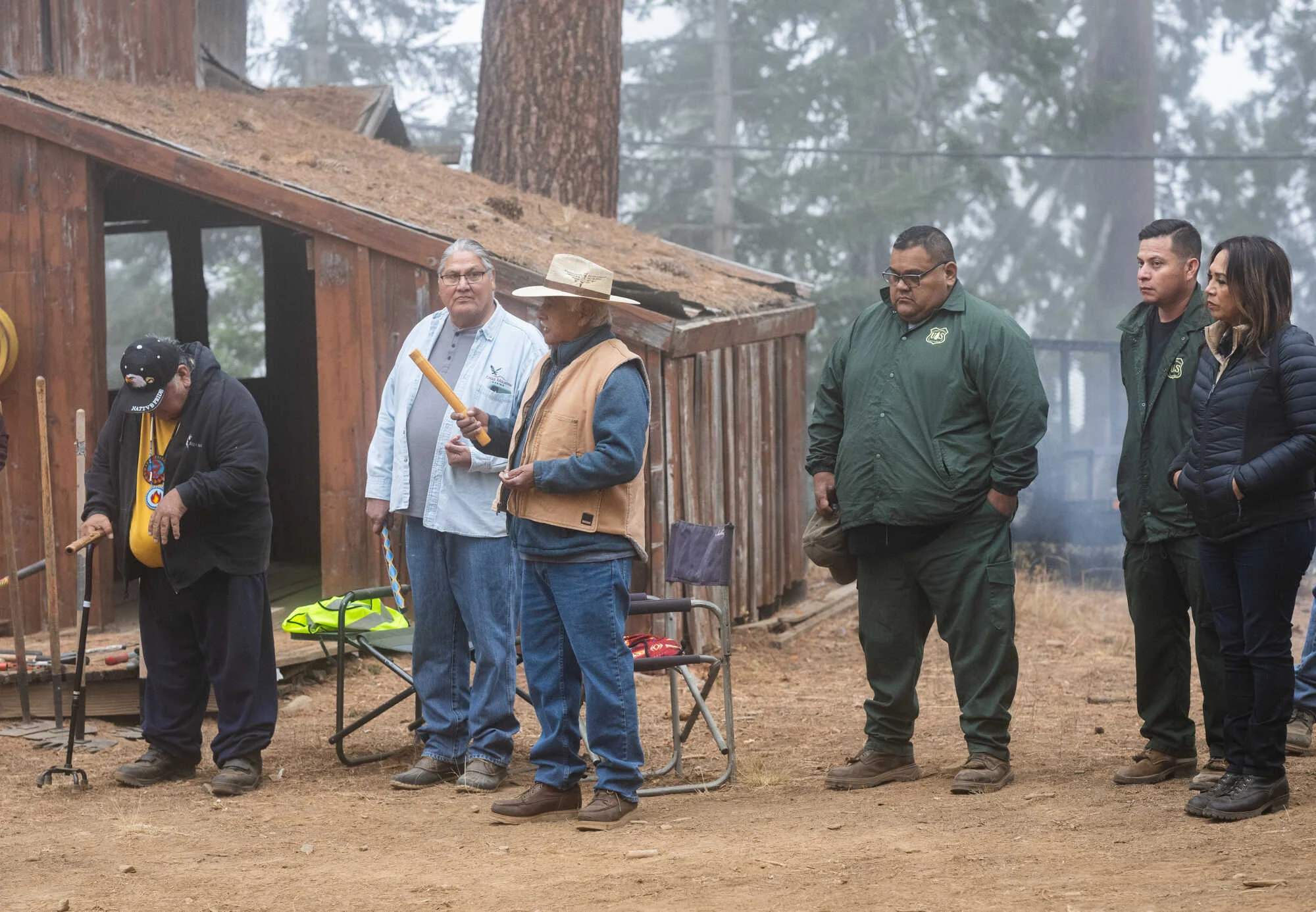
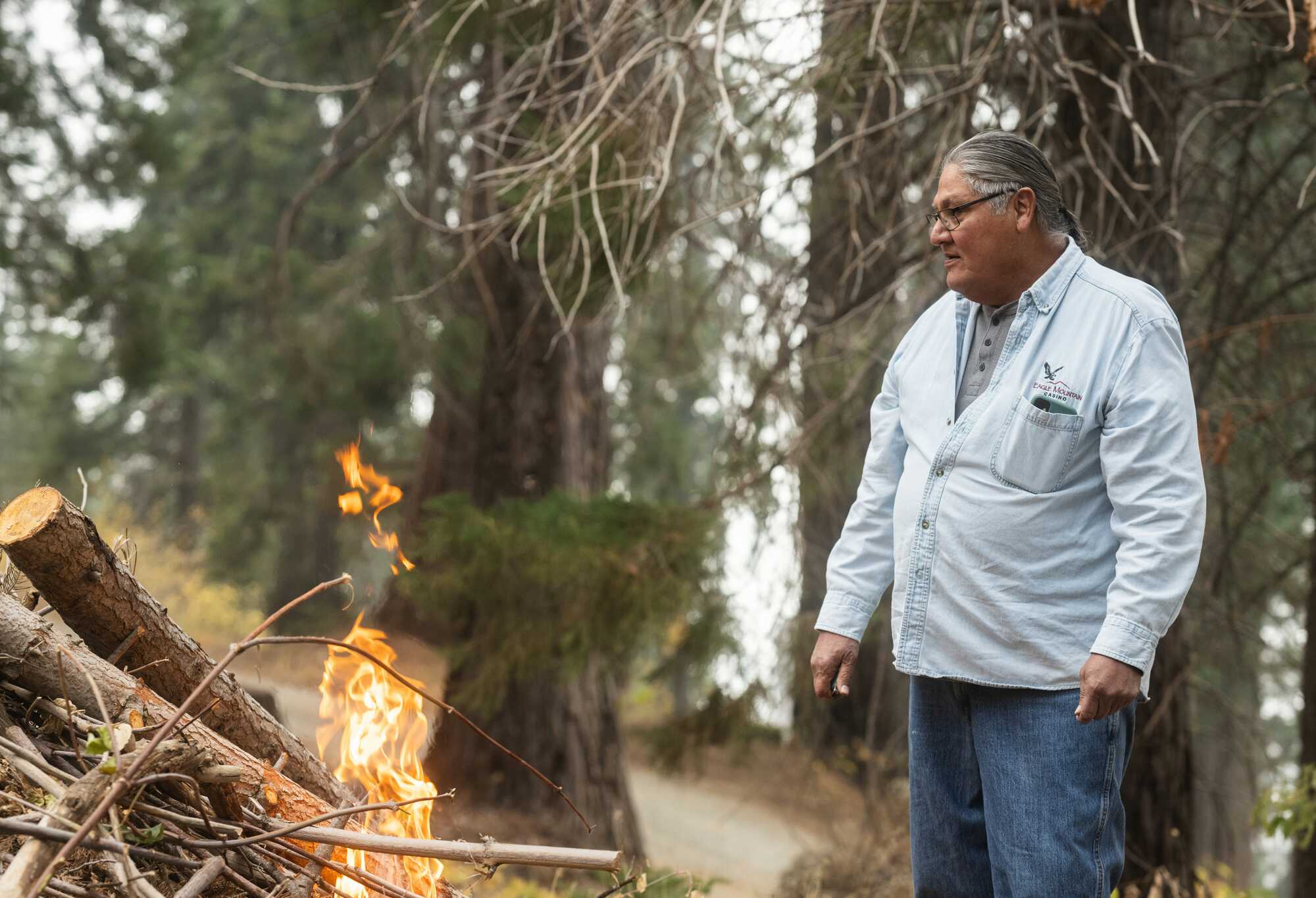
A cultural burn at Save the Redwoods’ Alder Creek property in 2024 reflects the ongoing work of Tribal communities to restore stewardship practices and relationships with ancestral lands. Photo by Evan-Marie Petit Photography.
Land protection and return
Our vision is one in which we help Tribes and Indigenous communities gain meaningful, sustained access to their traditional redwood homelands—through access licenses, cultural easements, and land return. Our land holdings create opportunities to support Tribal access, helping rebuild relationships and trust with the original stewards of these lands and enabling the revitalization of cultural practices.
Indigenous leadership in stewardship and restoration
We envision Tribes and Indigenous communities playing central roles in stewardship and restoration across the redwood range. Through partnerships grounded in stewardship, restoration, and shared learning, we support Tribal leadership in regional collaboratives, participate in Tribal-led science workshops and trainings, and create opportunities to exchange ecological and cultural knowledge. We also aim to expand Indigenous representation across Save the Redwoods’ staff, Board of Directors, and Council, ensuring that leadership reflects and is guided by Indigenous perspectives and expertise.
Indigenous voices
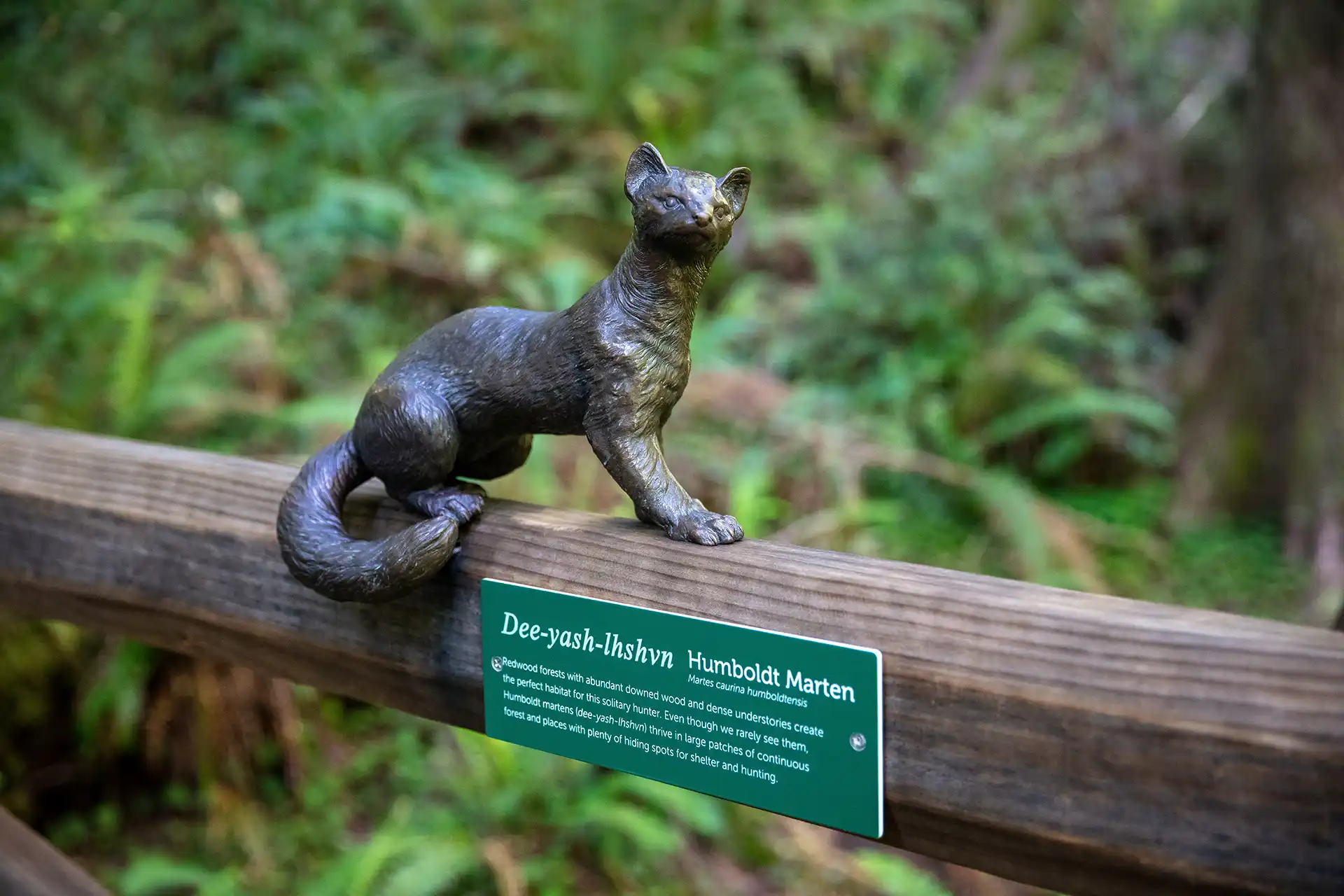
We seek to ensure that Indigenous cultures, perspectives, and voices are present and honored across redwood parks, programs, and storytelling. This includes working with Tribal partners to restore and recognize original place names, helping reconnect landscapes with their cultural and historical meaning. Guided by our partners, we center living Indigenous cultures in interpretation and public engagement, while deepening relationships with Tribal governments, Indigenous leaders, and organizations to better understand shared priorities and expand collaboration.
We invite you to explore our projects in more depth, where you’ll find stories of cultural resilience, ecological revitalization, and lasting positive change created through committed partnerships. Together they show how collaboration with Tribes is essential to our ability to protect and restore redwood forests and connect all people with their peace and beauty.