June 23, 2026
Updated July 15, 2026
UPDATE: On July 13, 2026, President Trump signed two proclamations to drastically shrink Bears Ears and Grand Staircase-Escalante national monuments in Utah. This impacts almost 3 million acres in total, leaving just over 300,000 acres protected under monument designations—a reduction of roughly 90%.
This rollback disregards Tribal sovereignty and the leadership of Tribal Nations in caring for their ancestral homelands. It is also illegal. Under the Antiquities Act, presidents can designate monuments, but only Congress can revoke them.
It’s a clear reminder that protections for public lands are fragile and under threat—and in need of our support. Thank you for staying engaged with Save the Redwoods and supporting our efforts to ensure that public lands, including redwood forests, remain protected and accessible to all.
We hold a tremendous responsibility as redwood lovers. We know how much these irreplaceable forests matter—for today and for future generations. And we must use every tool available to protect them. One of the most powerful just turned 120: the Antiquities Act.
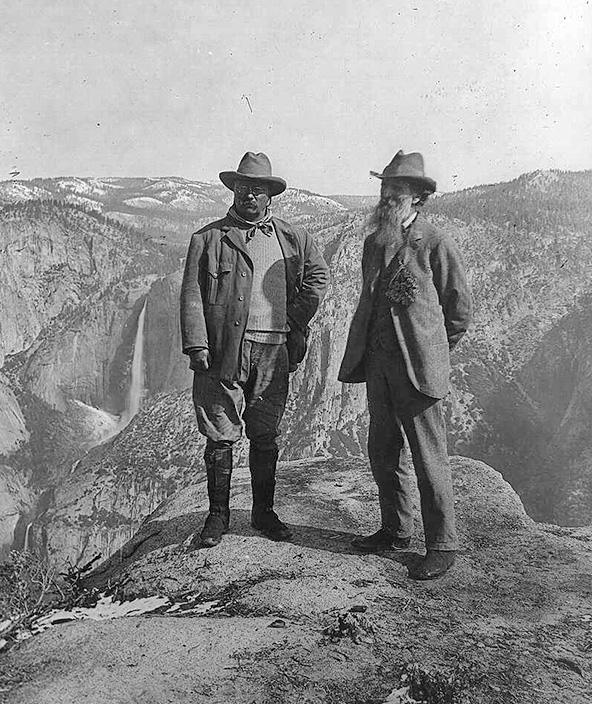
On June 8, 1906, President Theodore Roosevelt signed the Antiquities Act into law, giving the President of the United States the authority to designate national monuments. At the time, looters were scouring Native American site in search of ancient artifacts or “antiquities.” The new law gave Roosevelt the power to quickly halt this pillaging. Crucially, it gave future presidents the authority to protect natural and cultural treasures across the country.
Since the Act’s inception, 18 presidents from both parties have used this authority to safeguard some of the nation’s most significant sites—from the Grand Canyon to the Statue of Liberty to towering forests of ancient redwoods. That authority still matters today—and has increasingly come under threat. As we celebrate the lasting significance of the Antiquities Act, we must also be prepared to defend it.
Antiquities Act protects monumental redwoods
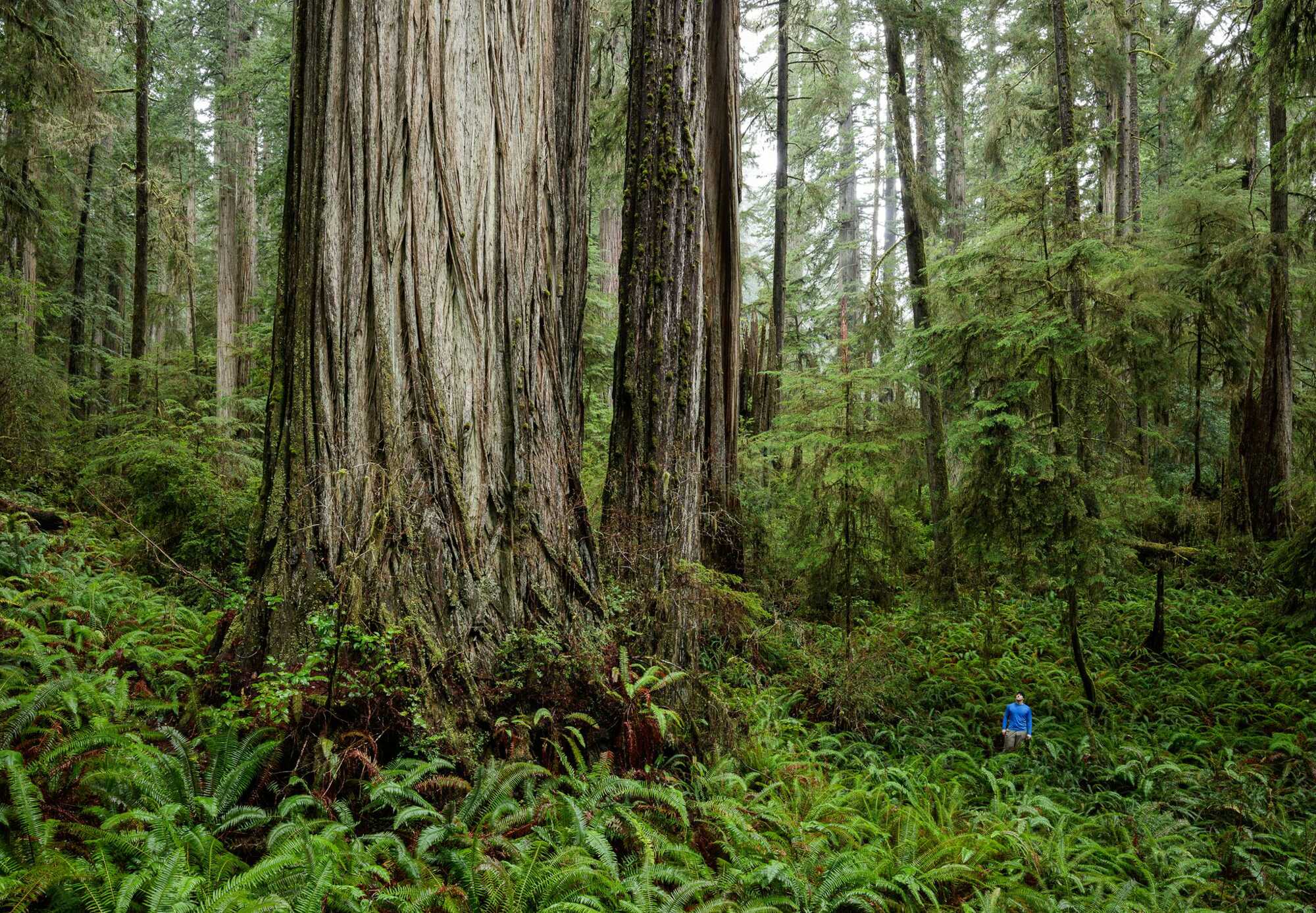
Along with special places across the country, the Antiquities Act has helped ensure the protection of two extraordinary redwood forests in California: Muir Woods National Monument and Giant Sequoia National Monument.
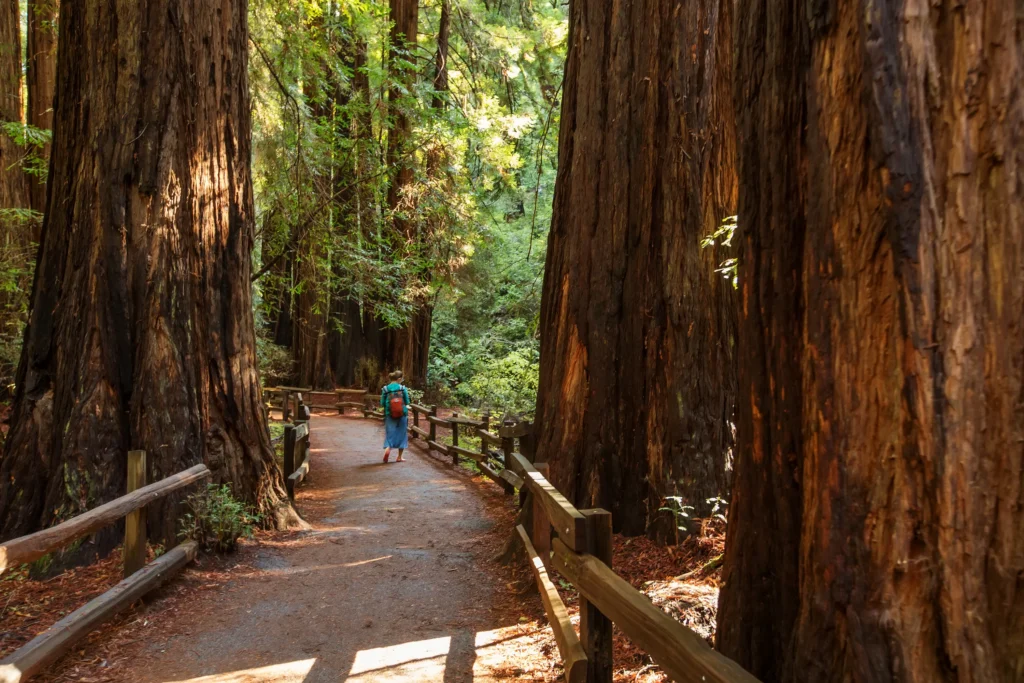
Congressman William Kent and his wife Elizabeth Thacher Kent donated the land for Muir Woods National Monument for future generations. Photo by kapulya/iStock.
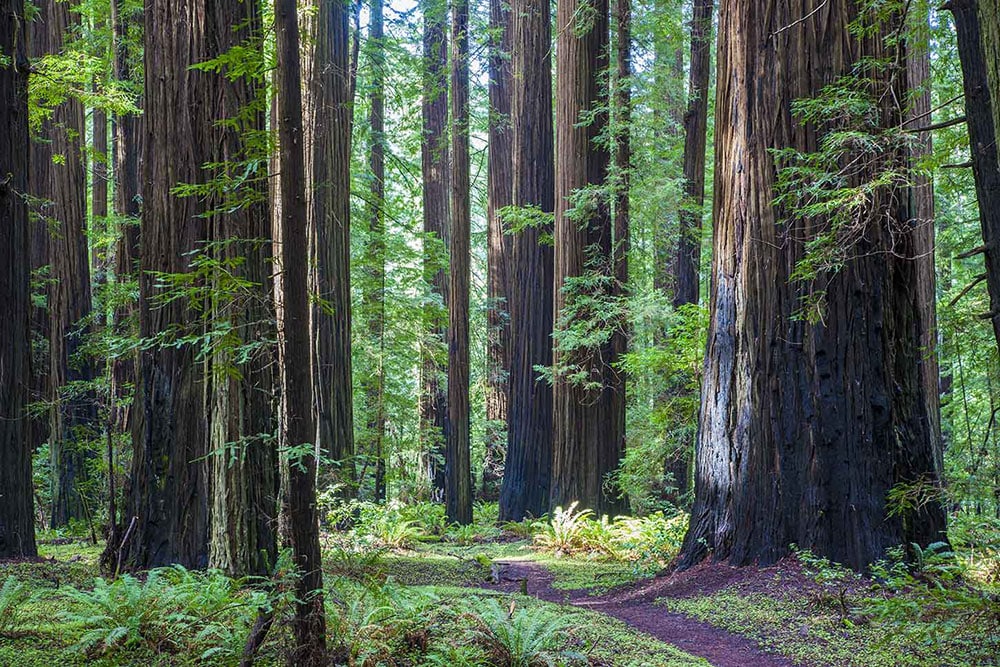
In 1908, at a time when vast swaths of California’s ancient redwood forests had already been logged, President Roosevelt established Muir Woods National Monument, one of the last remaining old-growth coast redwood forests near San Francisco. Safeguarding Muir Woods was an early victory in the American conservation movement—a win made possible by William Kent and Elizabeth Thacher Kent, who donated the land to protect the forest for future generations. More than a century later, some 800,000 annual visitors come from around the world to experience awe and inspiration among the monument’s cathedral-like groves.
In 2000, President Clinton used the Antiquities Act to create Giant Sequoia National Monument in California’s Sierra Nevada. Protecting nearly 330,000 acres, the monument is home to globally significant groves of giant sequoias—the largest trees on Earth.
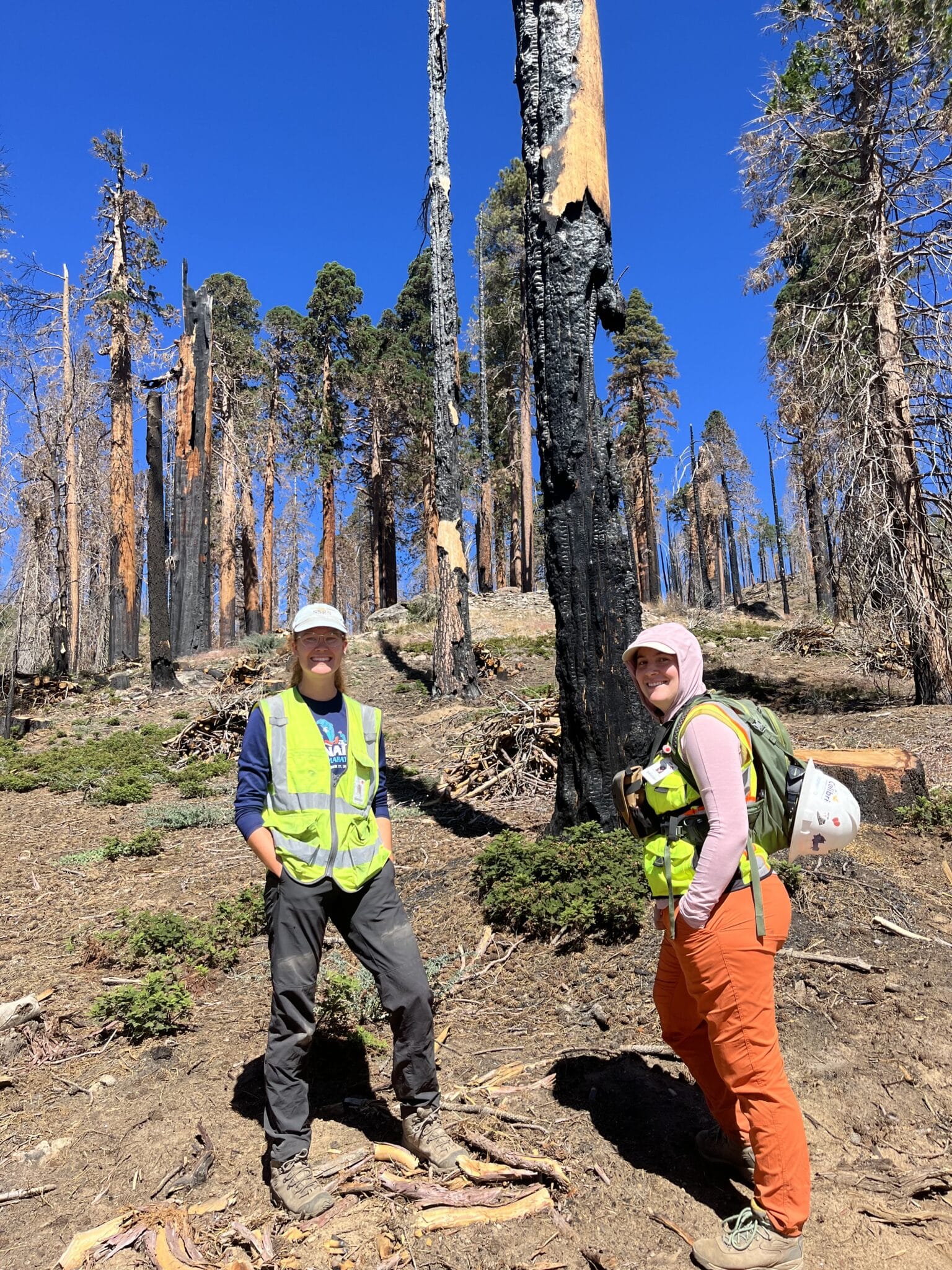
Today, this place of jaw-dropping beauty is also a reminder of our ongoing responsibility to protect these forests. Extreme wildfire, drought, and other climate-driven pressures threaten these ancient ecosystems in unprecedented ways. Monument designation has helped direct attention and resources to this landscape, highlighting the need for bold action to ensure the long-term survival of these ancient treasures. Today, Save the Redwoods and our partners in the Giant Sequoia Lands Coalition are working to increase wildfire and climate resilience across the giant sequoia range, including in groves within Giant Sequoia National Monument.
Mounting pressure on national monuments
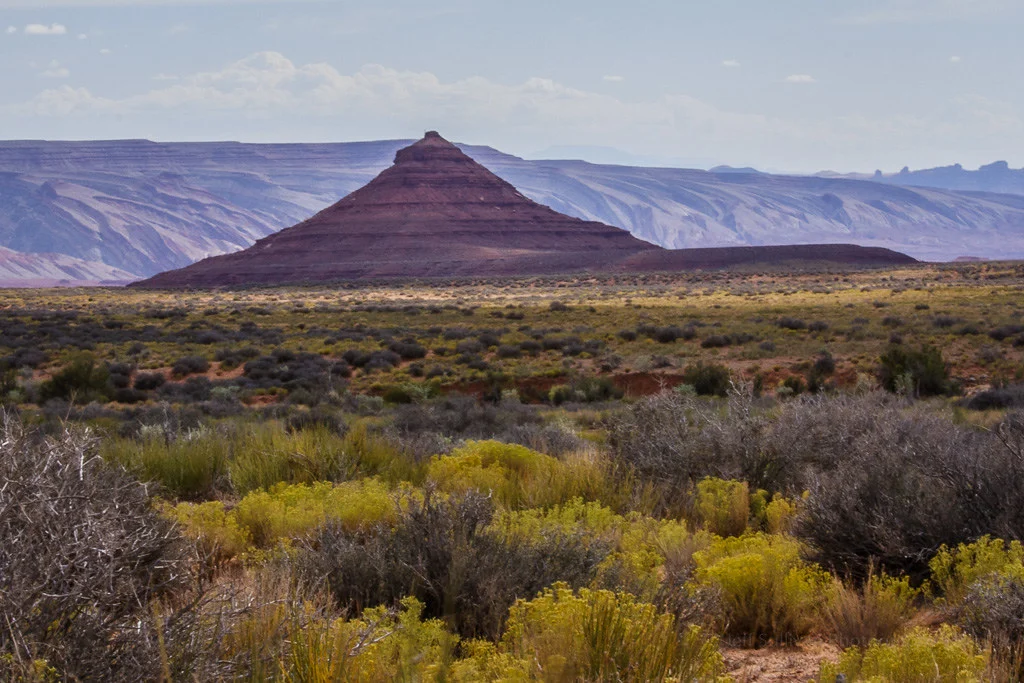
Valley of the Gods at Bear’s Ears National Monument in Utah, one of two national monuments threatened during the first Trump administration. Photo by Jeffrey Sullivan/Flickr.
It’s no secret that America’s public lands face unprecedented attempts to privatize, develop, and otherwise harm these special places. In his first term, President Trump took aim at national monuments, ordered a “review” of all designations and expansions made in 1996. The resulting action shrunk two important national monuments in Utah—Bears Ears and Grand Staircase-Escalante—by roughly 2 million acres. Both monuments were ultimately restored by President Biden.
Save the Redwoods remains on high alert regarding threats to national monuments and the Antiquities Act, given recent funding and staffing cuts and reductions to access and inclusivity across public lands. These attacks include ongoing challenges to the Endangered Species Act and the EPA’s Endangerment Finding—both of which protect crucial wildlife habitat, including redwood forests. Save the Redwoods has taken action to defend both laws and we appreciate you for standing with us.
A thoroughly modern solution
We as a nation also face significant challenges in the form of disinformation and divisiveness. Yet the natural world—protected in part by the Antiquities Act—offers an antidote. Within our national monuments, nature serves as a source of truth: The stream babbles. The salmon spawn. The redwoods drip in fog. Here lies common ground—a near-universal experience that can ground and unite us.
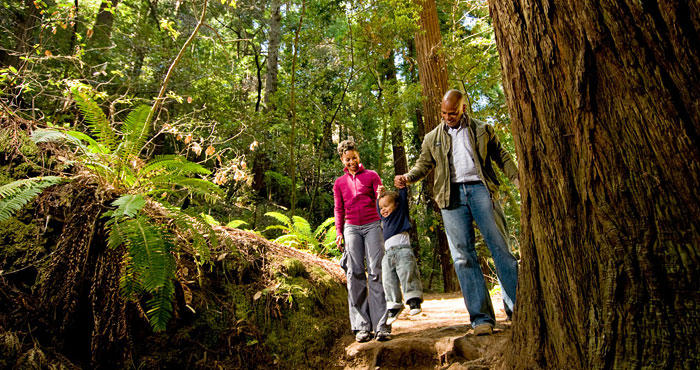
Protected in 1908, Muir Woods National Monument connects visitors from across California and around the globe to nature. Photo by Paolo Vescia.
And so, even though the Antiquities Act is 120 years old, its benefits remain thoroughly modern. Yes, our national monuments protect vulnerable ecosystems and provide us with clean air and water—but they also restore our attention spans, perspectives, and physical senses. That matters psychologically, spiritually, and perhaps even civically.
So please, remain vigilant, engaged, and hopeful. Contact your elected officials and let them know how much you value our protected public lands. Subscribe to our email newsletter to receive Save the Redwoods action alerts and updates on our work to protect and steward redwood forests. The Antiquities Act has helped safeguard these incredible landscapes for 120 years. Let’s ensure it does so for the next 120.