November 15, 2018
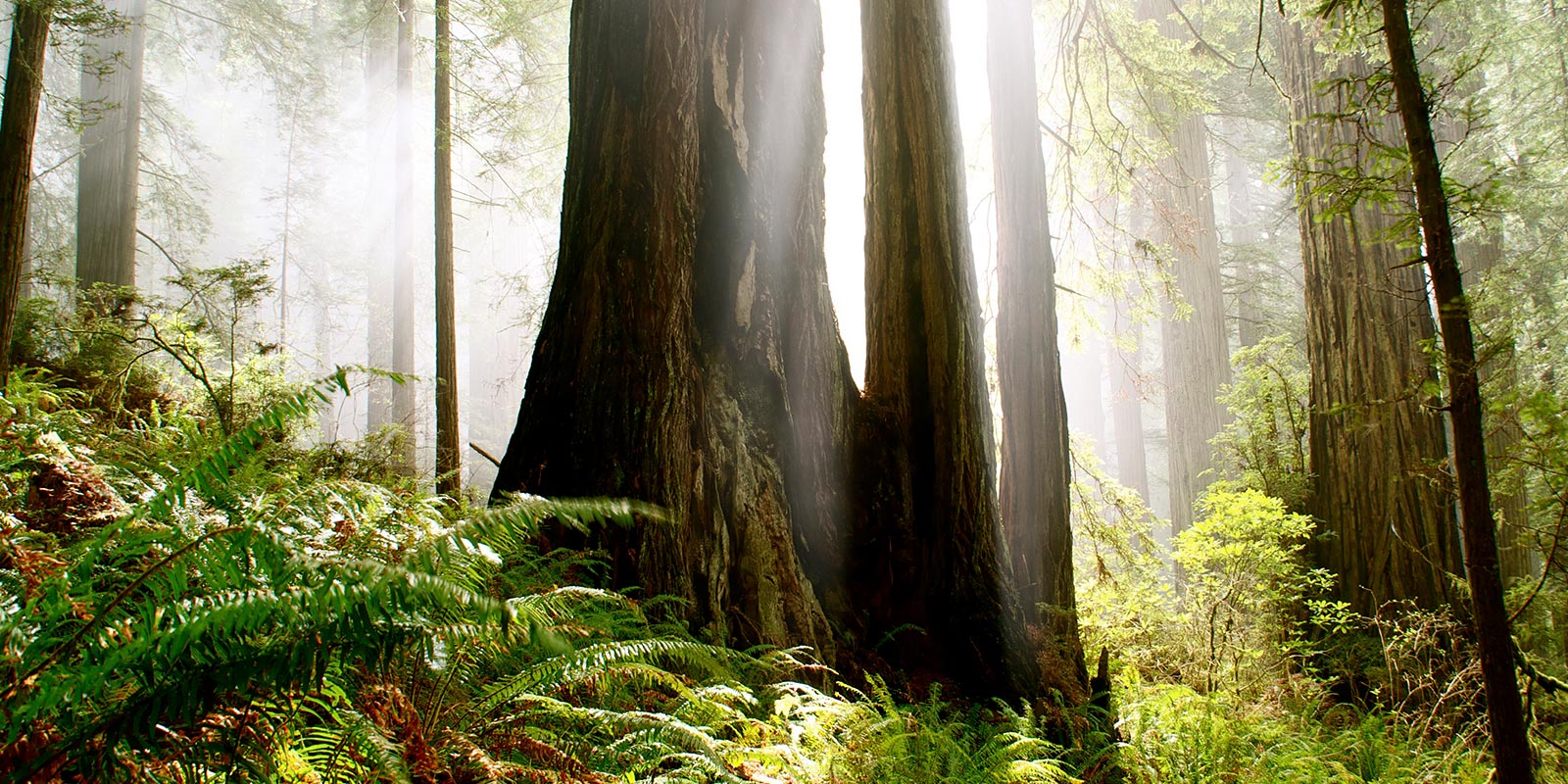
The story goes that once upon a time, all plants and animals were people. One of them was Coyote, who created the world from the top of Sonoma Mountain. His village elders became the redwoods – crimson colored to remind everyone that we are all of the same blood. One only had to look west to the coast redwoods to remember.
Greg Sarris, the longtime chairman of the Federated Indians of Graton Rancheria (Southern Pomo and Coast Miwok), recounts this tale in The Ancient Ones – part of a collection of essays in a new book, The Once and Future Forest: California’s Iconic Redwoods, published to commemorate the centennial year of Save the Redwoods League and available for purchase. Evoking the folklore of his ancestors, he traces the stark parallels between the enslavement and genocide of indigenous peoples of central and northern California and commercial logging of the redwood forests with which they coexisted for millennia.
“The landscape was our sacred text, and we listened to what it told us. Everywhere you looked there were stories.”
Just as redwoods can become grafted to one another for survival, the natives and these living giants have always been entwined. Sarris describes a time when the trees provided for his relatives, from fallen wood used to build homes and canoes, to leaves warmed in a fire for a poultice to heal earaches. The power of the redwoods was both practical and phantasmic, inspiring deep reverence in the Pomo and the Miwok, who rarely entered the darkness of the forest without a purpose. Cutting down a tree was seen as an act of violence.
“Early ethnographers characterized our culture as being predicated on black magic and fear; but might we not see it for what it was: predicated on profound respect and a fundamental belief that no one of us is the center of the universe?”
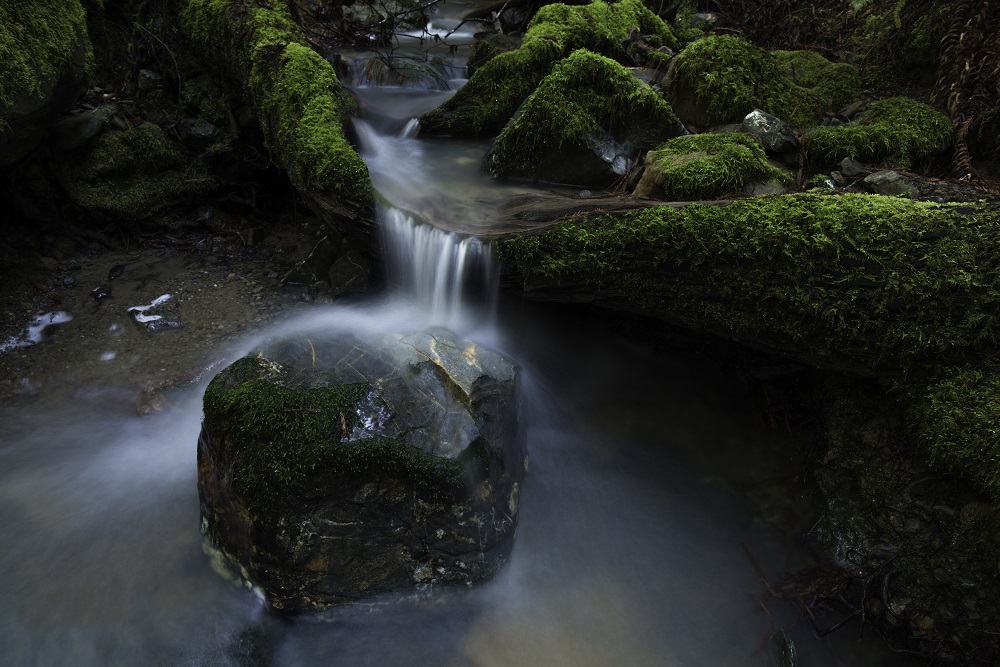
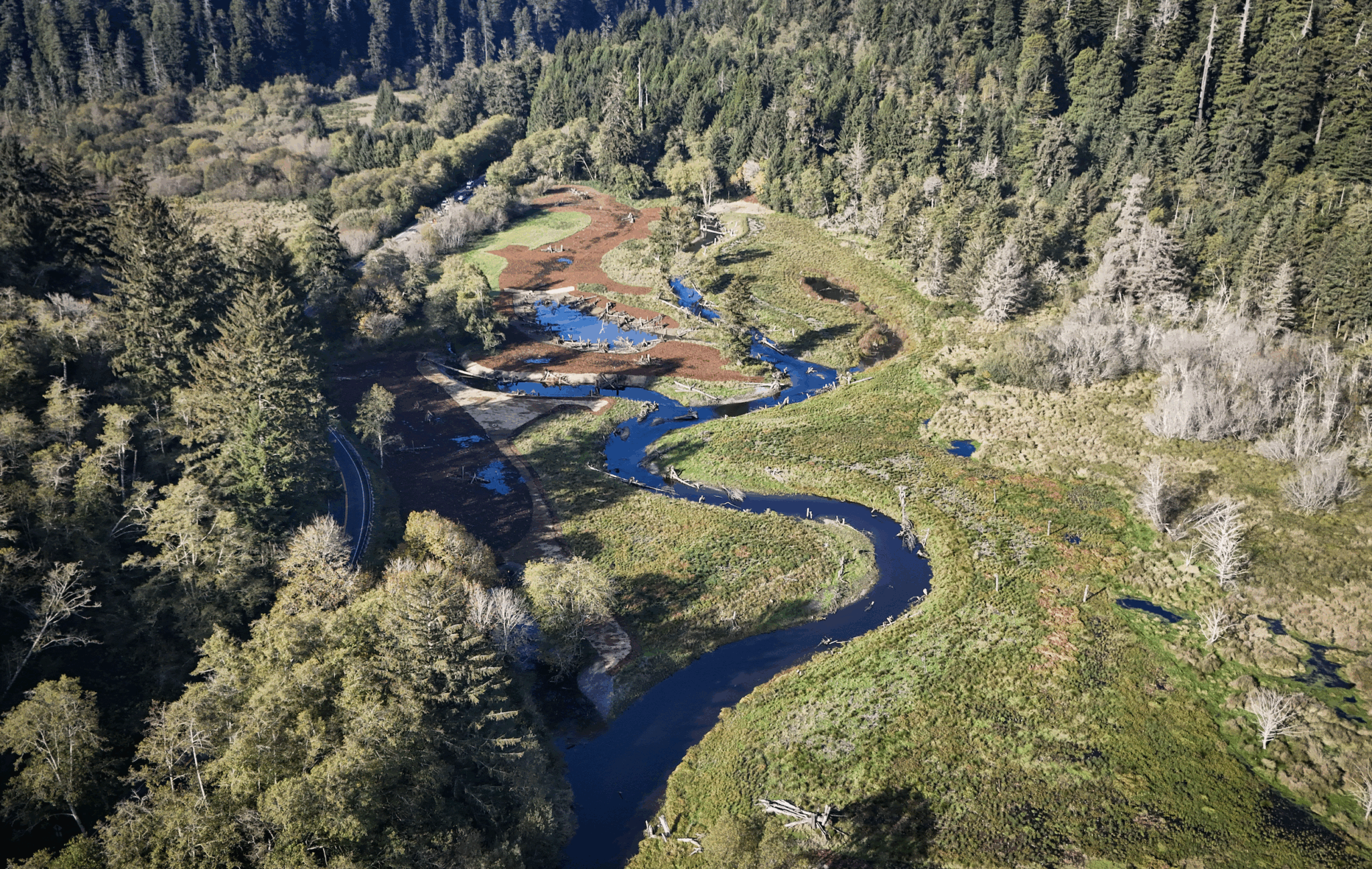
Harold Richardson Redwoods Reserve. Photo by Mike Shoys
Today, only five percent of the original two million acres of redwood forest remains. According to Sarris, the survival rate for his people is even lower: the 1,450 enrolled members of his nation are descendants of only 14 survivors out of 20,000 who lived in the area now known as Marin County and southern Sonoma County when settlers arrived.
“Where did the redwoods go? Increasingly, we became strangers in our homeland. … No wonder the white man’s religion began to make sense to some of us. Home isn’t here, it’s in the sky someplace.”
Sarris admits that before he knew of his indigenous roots, and even after, the giant trees occupied only tiny spaces in his mind. Of all things, a reoccurring attempt by tribal elders to pass him an ancestral love spell would bring him full circle. Only then would he see with fresh eyes what his forebears were the first to witness, possibly as early as 10,000 years ago: the past, the present and the future in a sea of redwoods.
Reflective and reminiscent, this piece illuminates an important narrative within the redwood story – one that gives voice to their closest human relatives, who stood in the periphery watching the trees live on and on.
Read more of Greg Sarris’ essay, The Ancient Ones, in the new book, The Once and Future Forest, which commemorates the 100th anniversary of Save the Redwoods League. Visit SaveTheRedwoods.org/Heyday to order your copy of this limited edition book today.