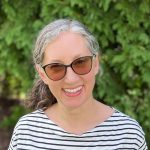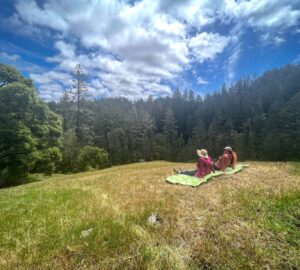
Alanna Smith shares insights on creating meaningful outdoor experiences for all
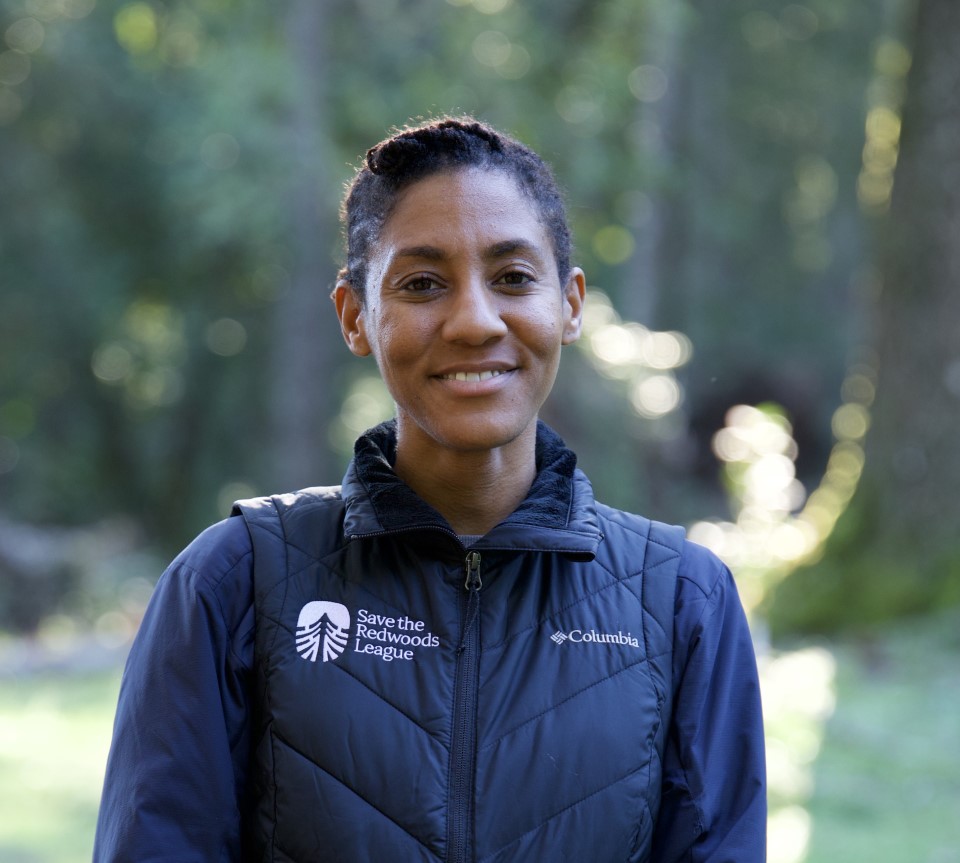
Name
Alanna Smith
Passions
Surfing, community building, solo backpacking
Favorite wildflower
Calypso orchid
Favorite park history
Alanna Smith was 22 when she stumbled upon a National Parks Service internship near her hometown of Atlanta, Georgia. “I applied on a whim,” she says. “The posting didn’t say ‘big deal internship that’s going to launch your whole career.’ But it ended up being just that.”
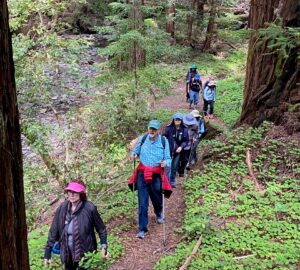
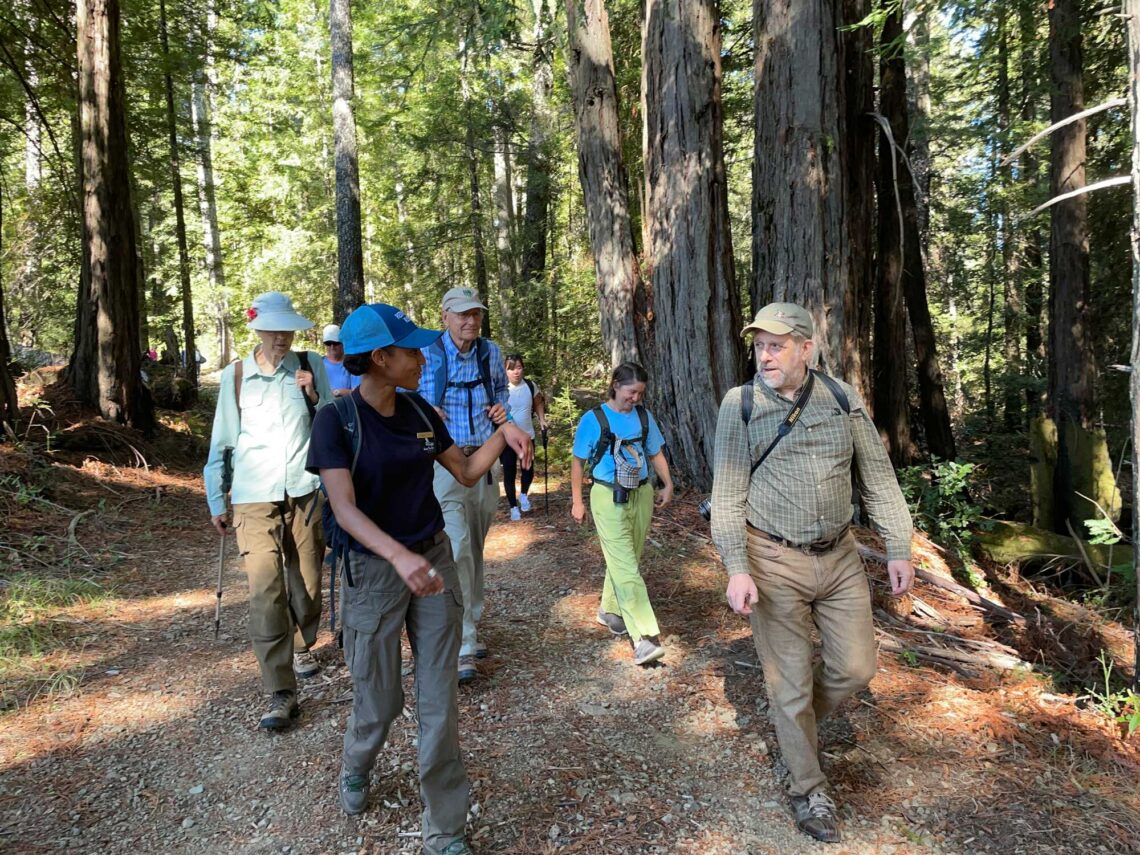
After a decade as a national park ranger, mostly working in the Virgin Islands, Alanna exchanged the beach for the forest. She’s now a member of the Parks & Community Engagement team at Save the Redwoods League, leading public hikes, organizing campouts for young people, and collaborating with local groups to help design welcoming redwood parks where everyone can experience awe and belonging.
Alanna spoke with us about the joys of working directly with the community, the importance of inclusive and impactful encounters with nature, and how she finds inner peace outside.
Q: What drew you to your role at Save the Redwoods?
A: My work had mostly focused on leading visitor programs, but I was also interested in crafting the visitor experience from the perspective of infrastructure. I wanted to figure out where trails go, what kind of signs get put up, what’s there to welcome people and help them have inspiring experiences outdoors. This job seemed like a perfect blend of community engagement and park planning.
What have you learned about planning for a new park?
Get to know the local community and find out what people are looking for. It’s easy to make the mistake of prescribing what you think the park needs to be. So it’s really important to take a step back and let the people who are familiar with the area share how the park can best meet their needs.
For example, the conceptual plan for Harold Richardson Redwoods Reserve had a lot of exciting, flashy components at first, but things changed after we started inviting the public to the property.
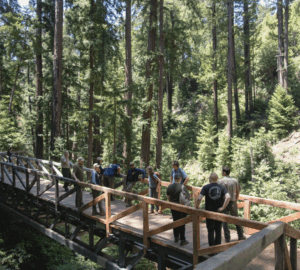
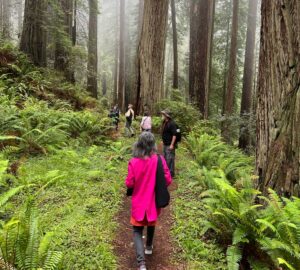
During hikes through the reserve, people would say, “Oh, this is great. Just leave it natural. We don’t want a lot of development.” They were seeking adventure and awe and a kind of wildness. They didn’t want a manicured experience. They were looking for a place they could kind of get lost in— not literally, but just escape from whatever stressors they’re experiencing. Now that we have this important feedback, we’re adjusting our plans.
Tell us about working with young people at Harold Richardson.
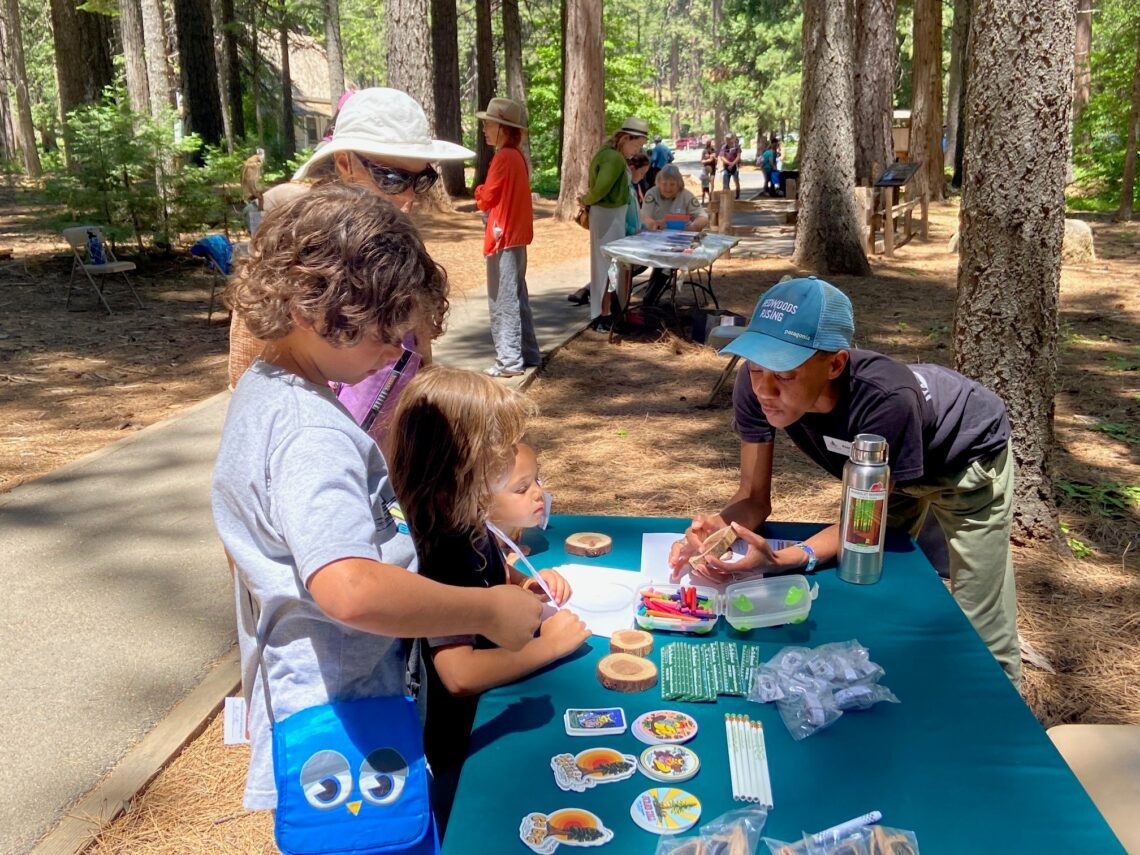
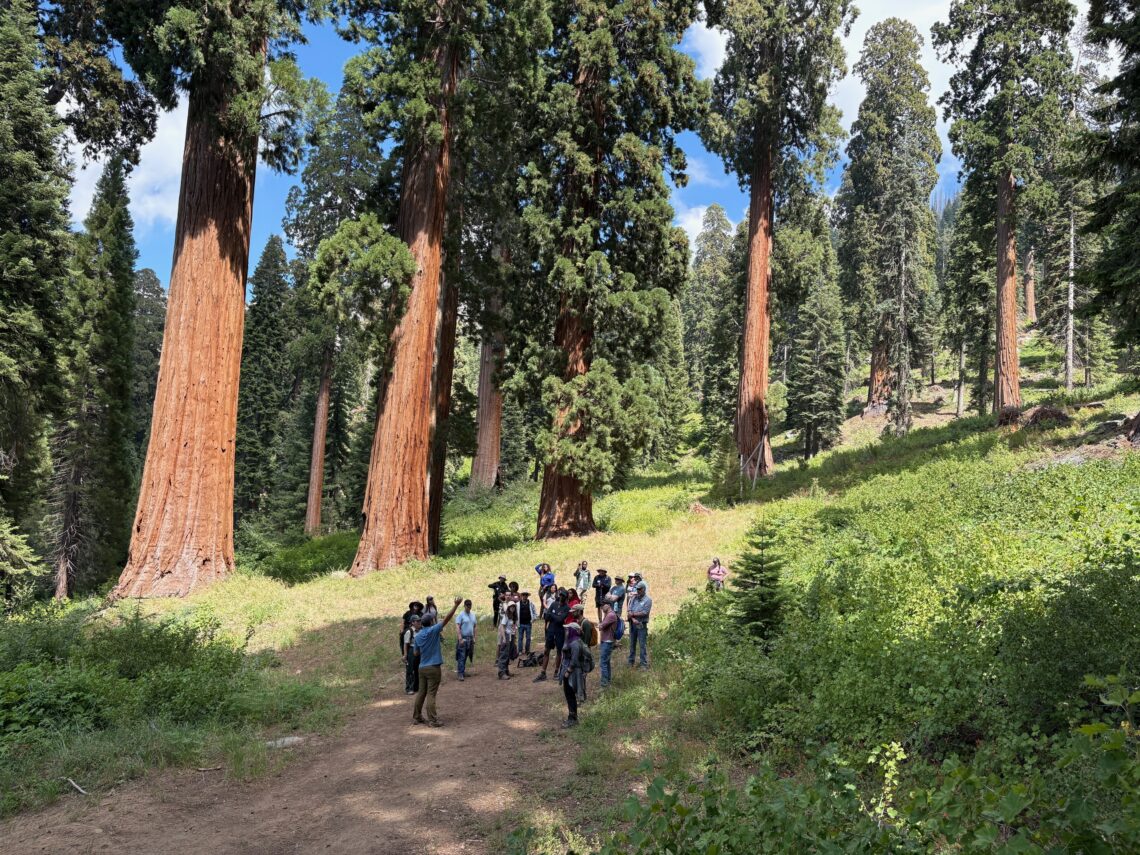
I help organize campouts for community groups like Girl Ventures and Real Options for City Kids. I usually greet the group at the reserve and then lead them on a hike to the biggest tree on the property. It’s over 1,640 years old, and I love seeing the awe and wonder on the kids’ faces as they gaze up at this beautiful, ancient giant. I wish I could stay for the entire campout, so I could see how they react to the stars coming out, too. Usually several kids have never camped before.
What has kept some of these kids from camping?
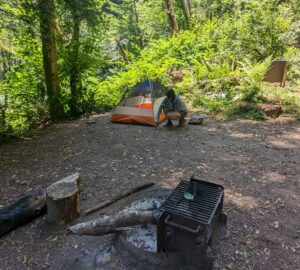
For some, it’s a lack of opportunity, lack of resources, lack of transportation. Getting all the gear together—tent, sleeping bag, sleeping pad—can be intimidating.
Camping reservations can be very competitive, too. Not everybody grows up in a household where their parents can be on the registration website at 7 o’clock in the morning, six months in advance.
And there are definitely some worries about the unknown, especially for groups that have historically been excluded from outdoor spaces. It can be a lot. We’re always trying to find ways to lower these barriers.
You also helped facilitate outings with young adults of color for the health study Reclaiming Nature?
Yes, we supported a study exploring stress reduction in nature. These students from San Francisco State University would come out and kind of bask in the redwood forest at one of our properties in the Santa Cruz Mountains. It was really cool to see them become totally immersed in the forest, not stressing about school or work or anything.
Some of them had never been in a redwood forest before, so it was also energizing for them. In the morning, a lot of banana slugs would be out, and it was fun to see the students’ reactions. I also witnessed them really relaxing. One person brought an inflatable lounger. I don’t think she actually took a nap, but she got super comfy.
What’s it like to work alongside these old giant trees?
When we’re out there bushwhacking, trying to decide where the trail is going to go, I’m always gleefully thinking, “I can’t believe this is my job!” I feel so lucky to spend time with these ancient, towering beings. They have seen and lived through so much, and their resilience is so inspiring.
Your first permanent assignment as a park ranger was in a pretty dreamy location, Virgin Islands National Park. What was that like?
I loved the slowness of life on a small island, where watching the sunset was the evening’s main event. You don’t have shopping malls, movie theaters, and all these fancy things, but you have super clear night skies for stargazing and clear water for swimming. When I got off work, I would go to the beach and dive in and feel enveloped by the cool water. I remember thinking it doesn’t matter what is going on, I’m always going to be okay, because I can find this restorative experience in nature.
Has the redwood forest helped you get through any challenging times?
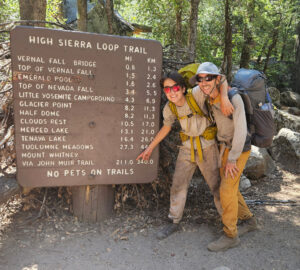
Oh, yeah. I started solo backpacking right before the pandemic. It can be challenging to find people to go with, so I just started going by myself. And I found that I really love it. I can bring my books and my journal and have all this time alone to think through anything that is bothering me.
The wilderness has always been that place I run to when I’m seeking something, especially when it’s something within. It feels like a timeout to reconnect with my senses. I want to provide these kinds of experiences for other people, because I know how transformative they can be.