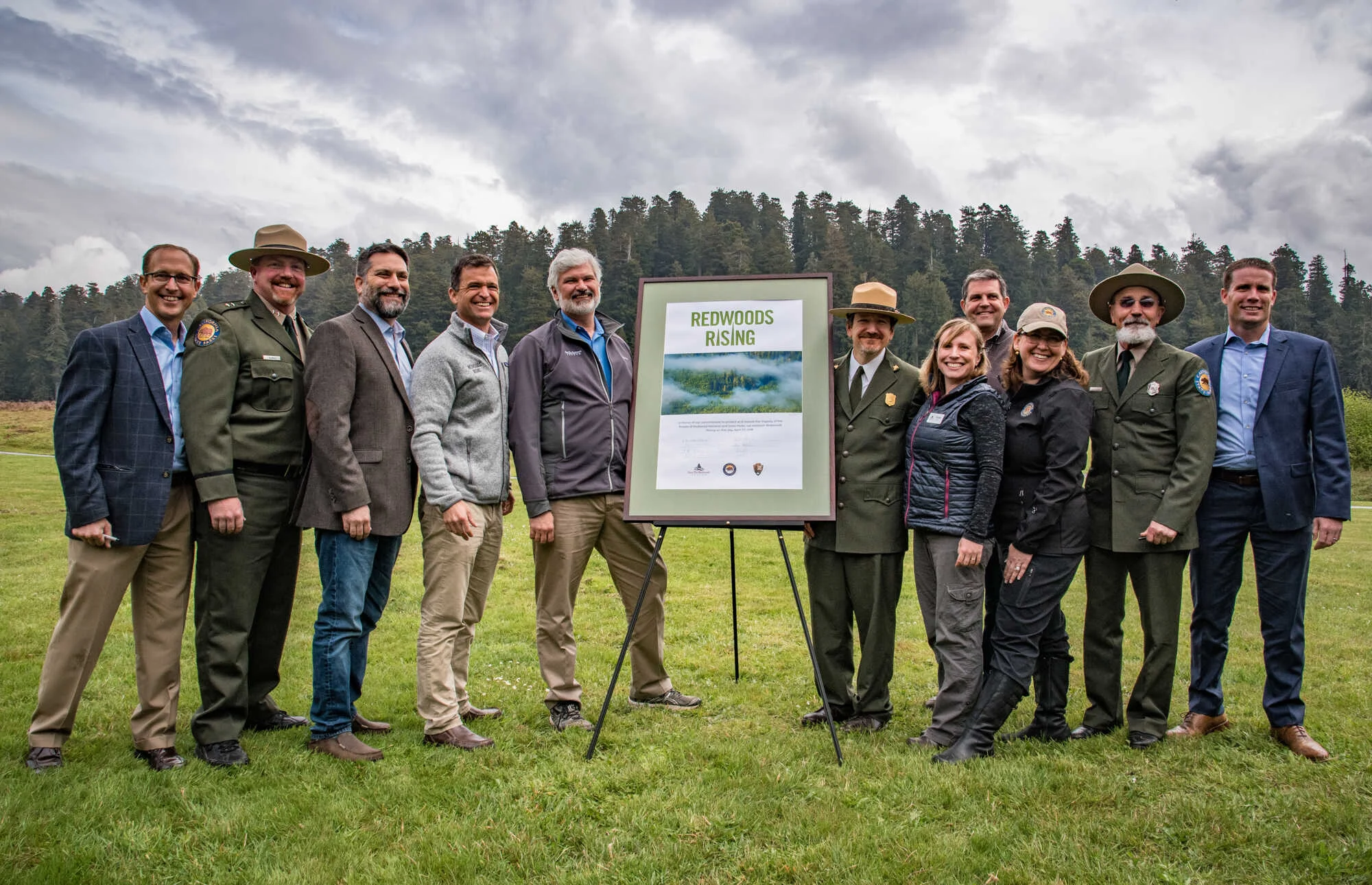


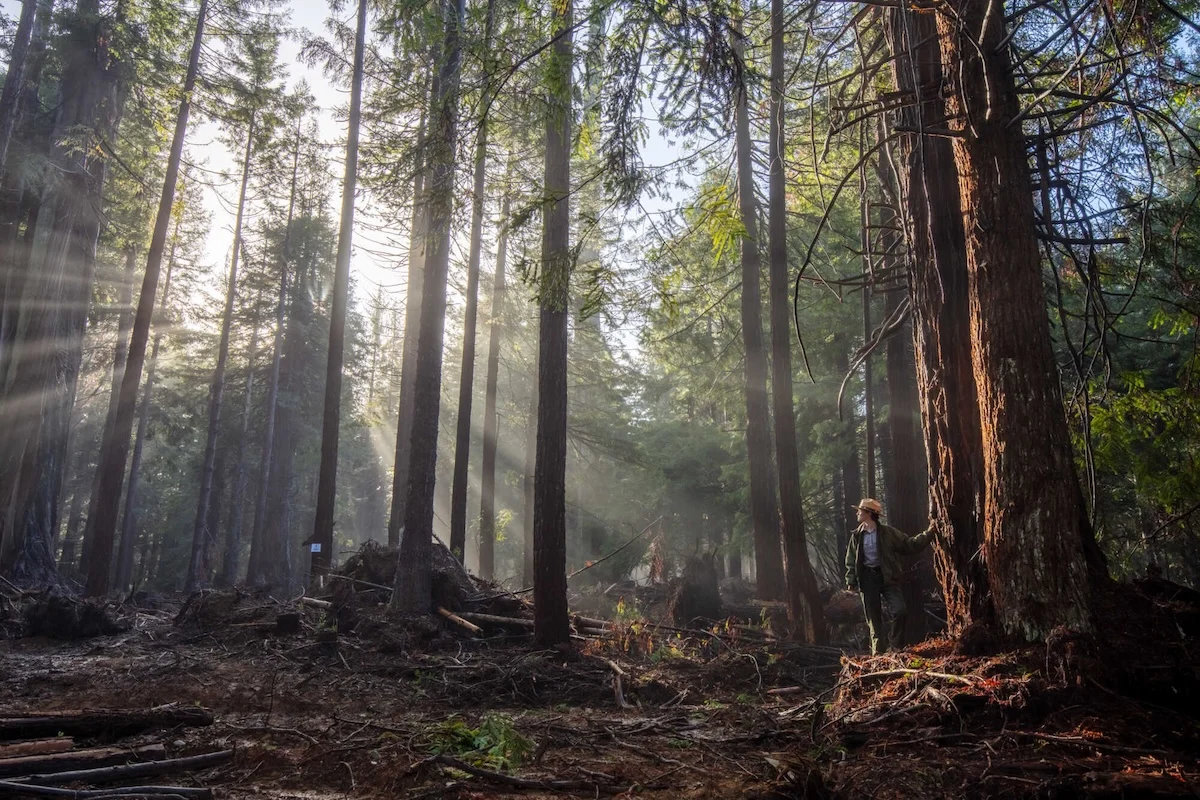
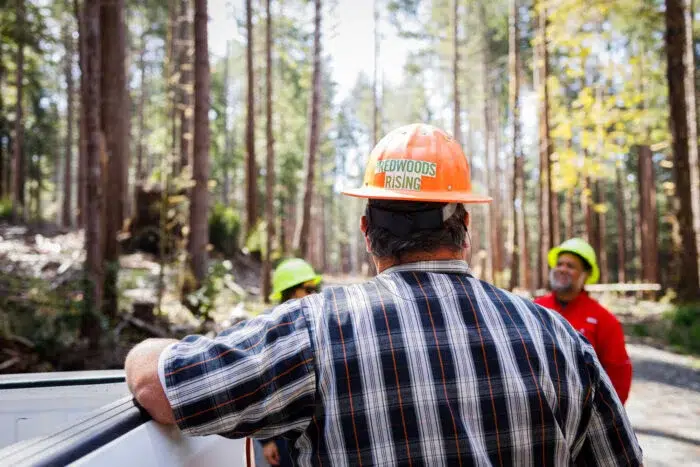
Redwoods Rising—a partnership between Save the Redwoods League, California State Parks, and the National Park Service—is an ambitious, landscape-scale project to restore areas damaged by historical logging in the globally significant forests of Redwood National and State Parks. Only 5% of the original ancient coast redwoods still stand today—and these parks are home to almost half of them.
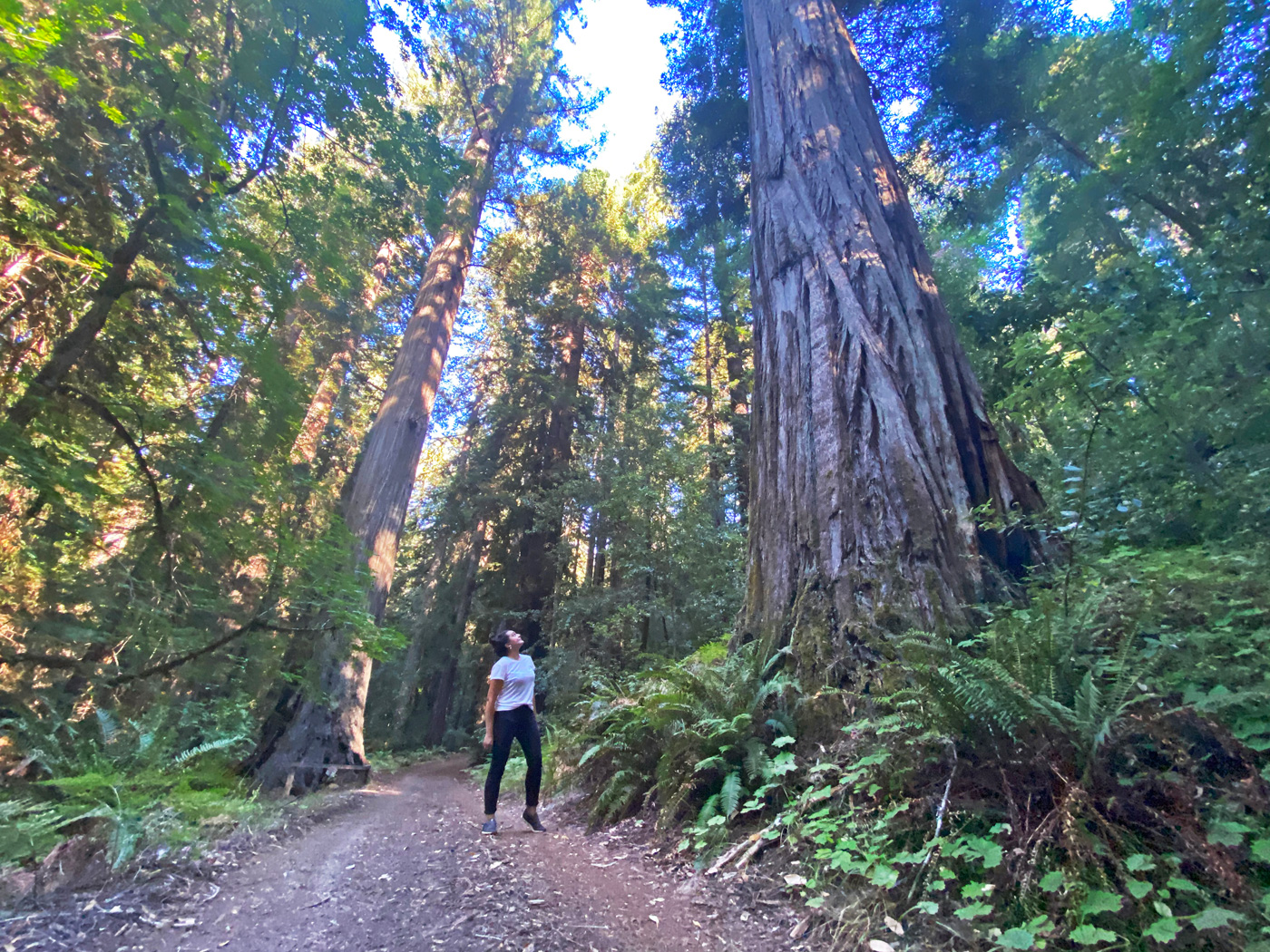
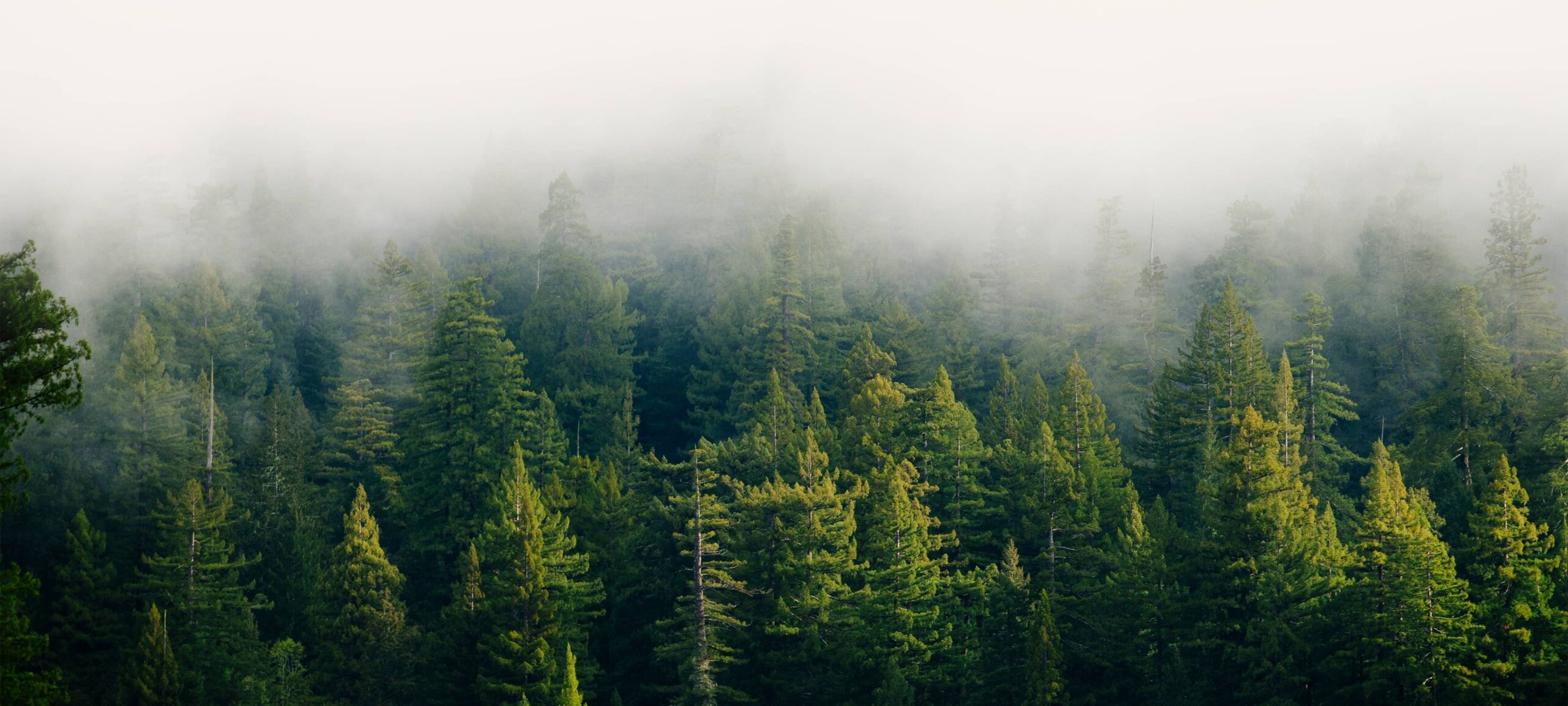
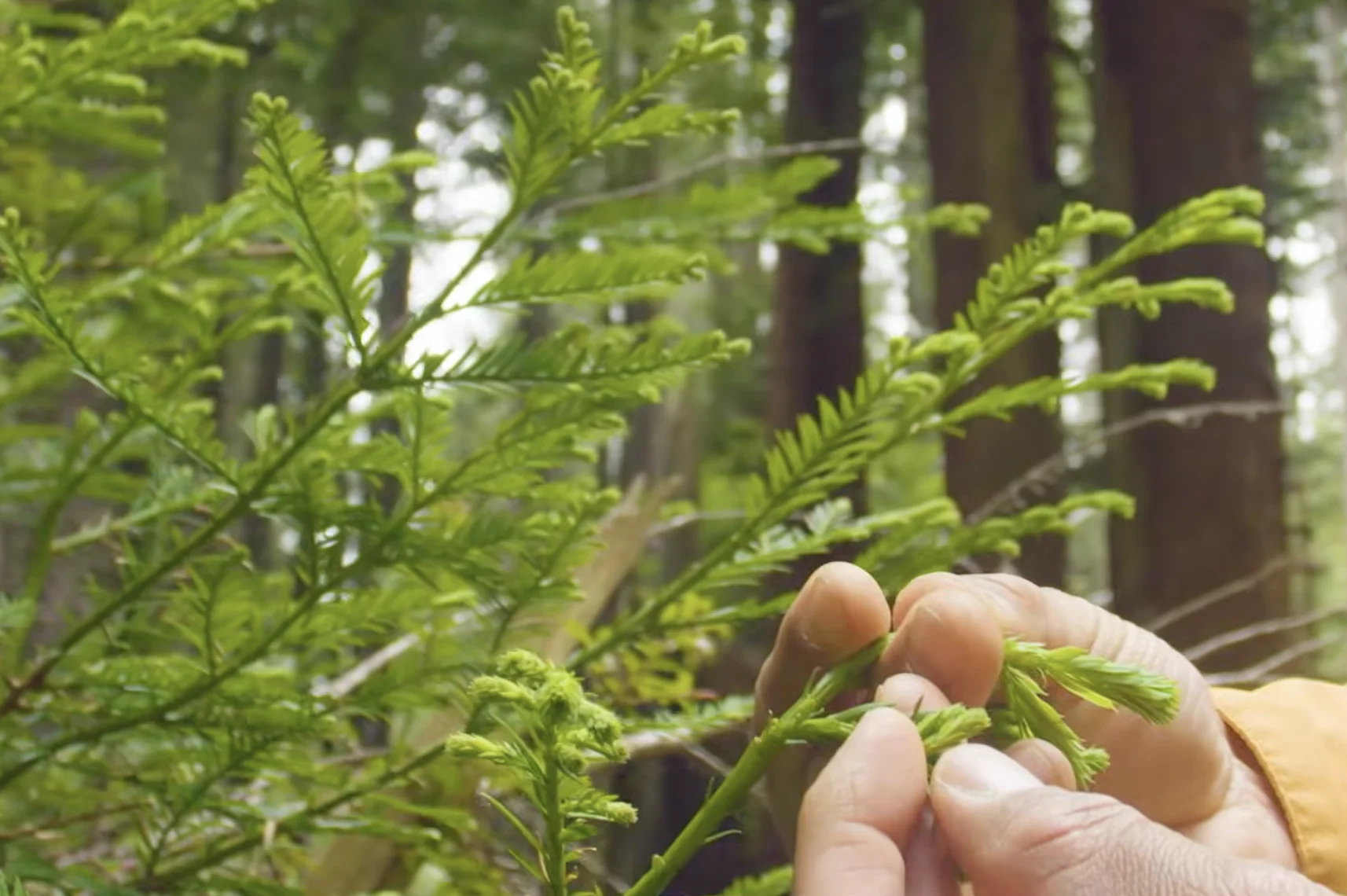
These massive trees aren’t just awe-inspiring. They store more carbon per acre than any other forests on Earth. They also safeguard imperiled salmon and trout, as well as at-risk wildlife and plants, including marbled murrelets and the endangered western lily.
However, despite their ecological riches and stunning beauty, these forests are far from pristine. Approximately two-thirds of the parks’ 120,000 acres of redwoods bear the scars of industrial-scale commercial logging—some of which took place as recently as the 1990s. Logging not only took away huge, old trees. It also left behind heavily damaged streams and hundreds of miles of old, failing roads and stream crossings.
Healing irreplaceable forests, together
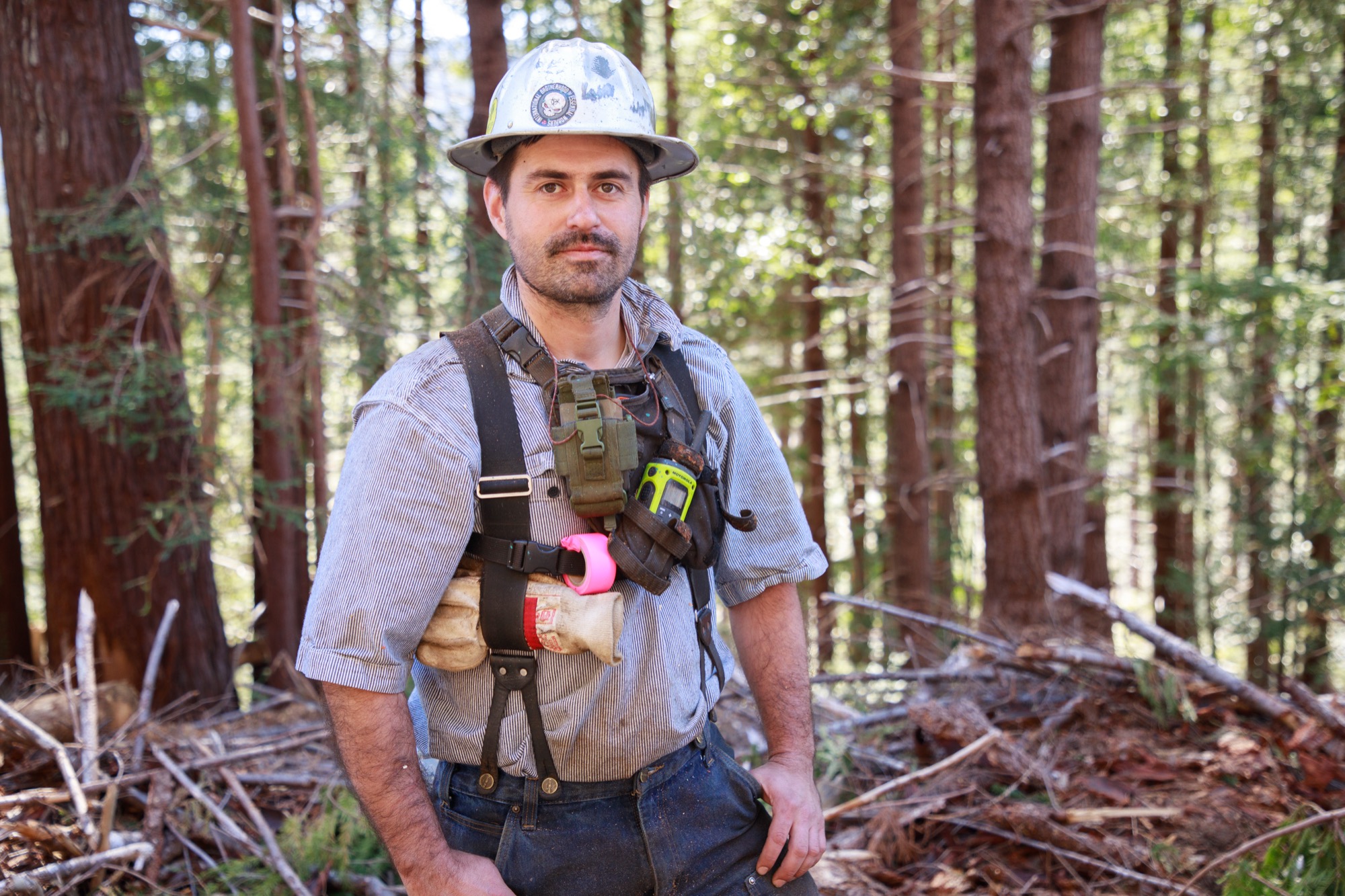
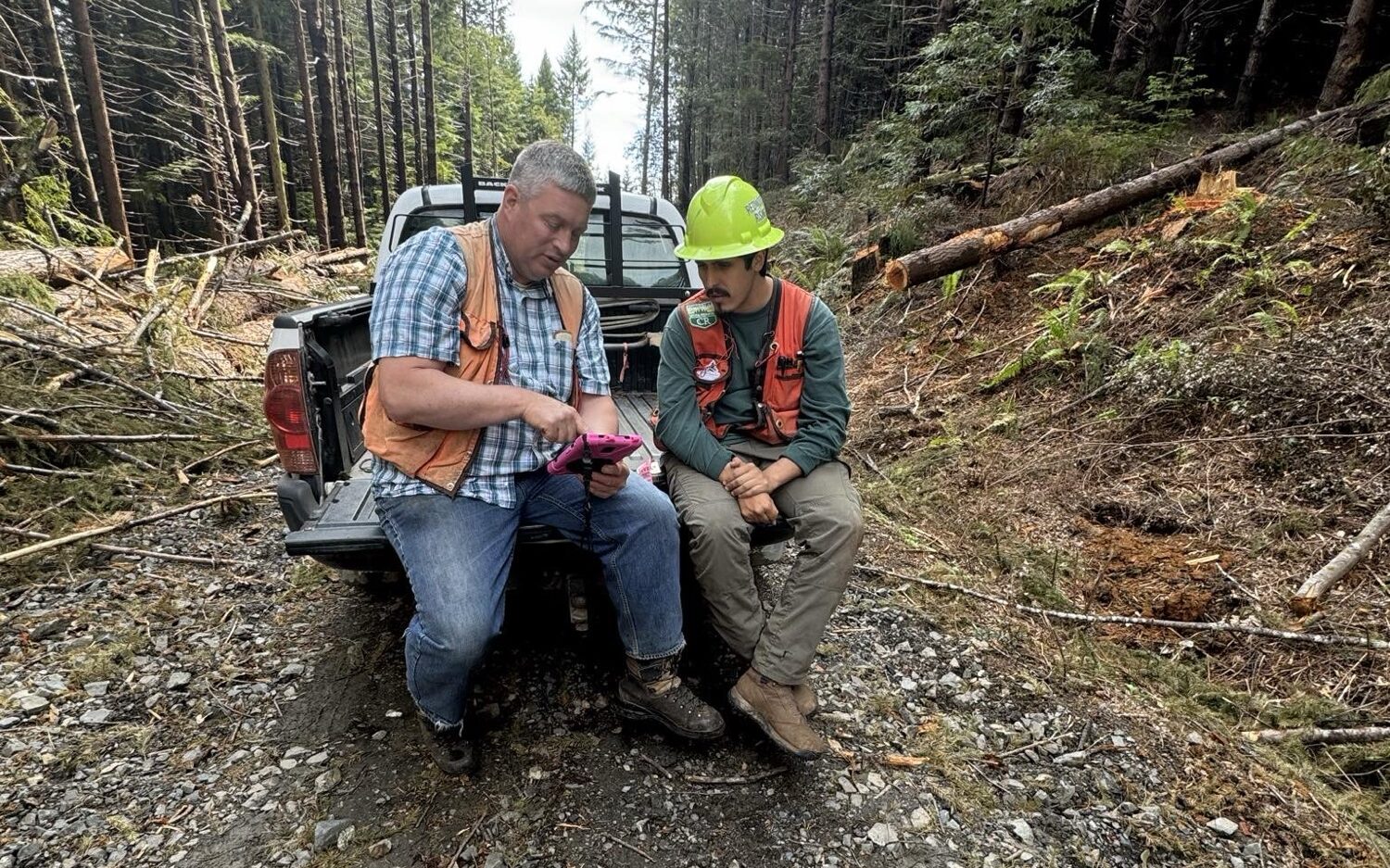
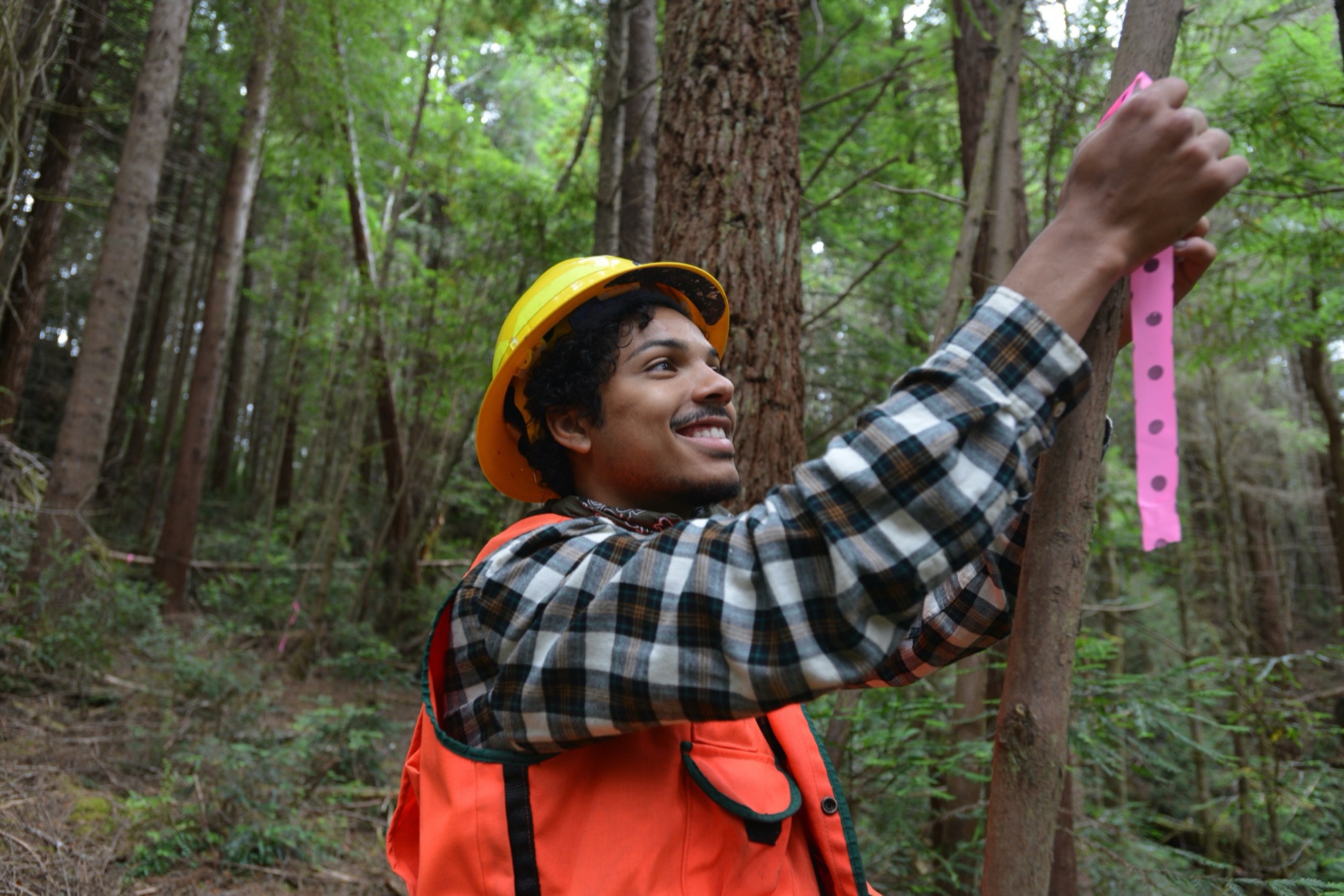
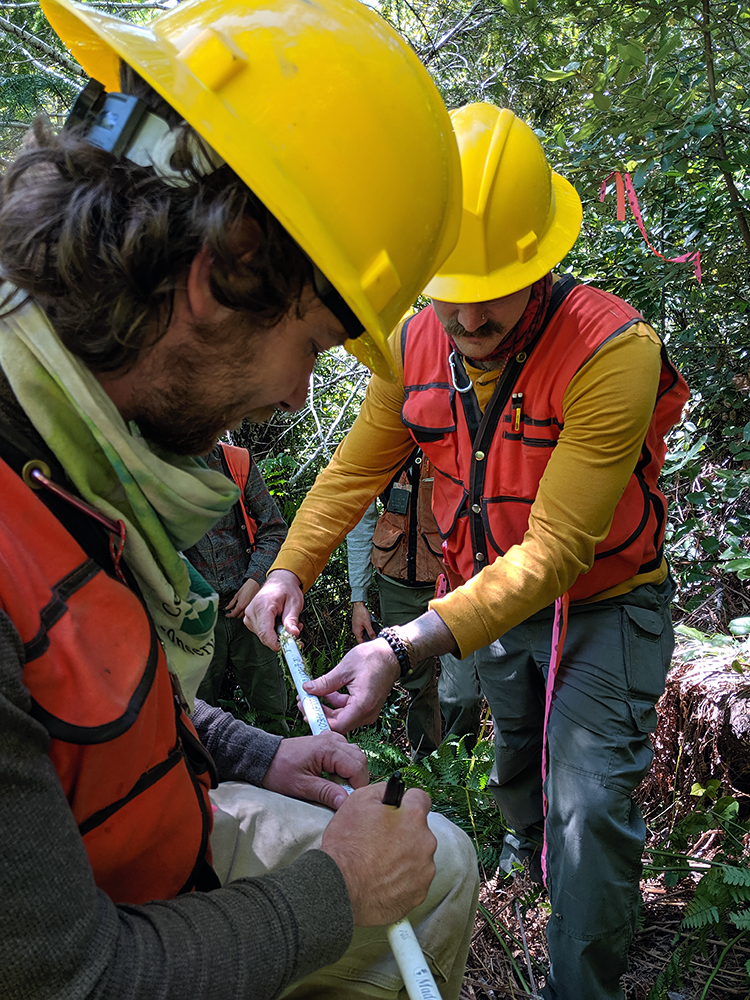
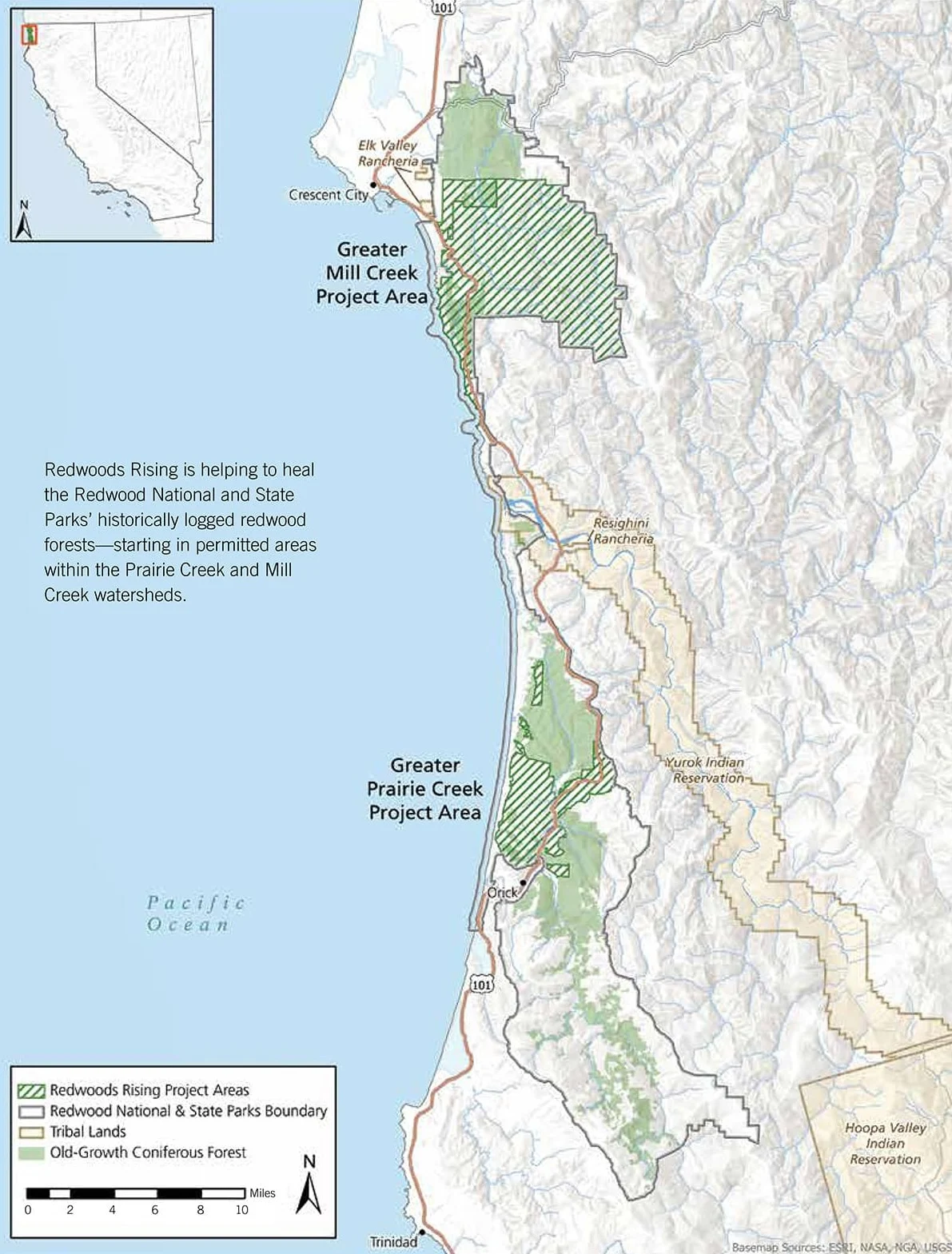
Restoration thinning, reforestation, and logging road rehabilitation and removal are underway in Redwoods Rising’s two main project areas: the Mill Creek and Prairie Creek watersheds.
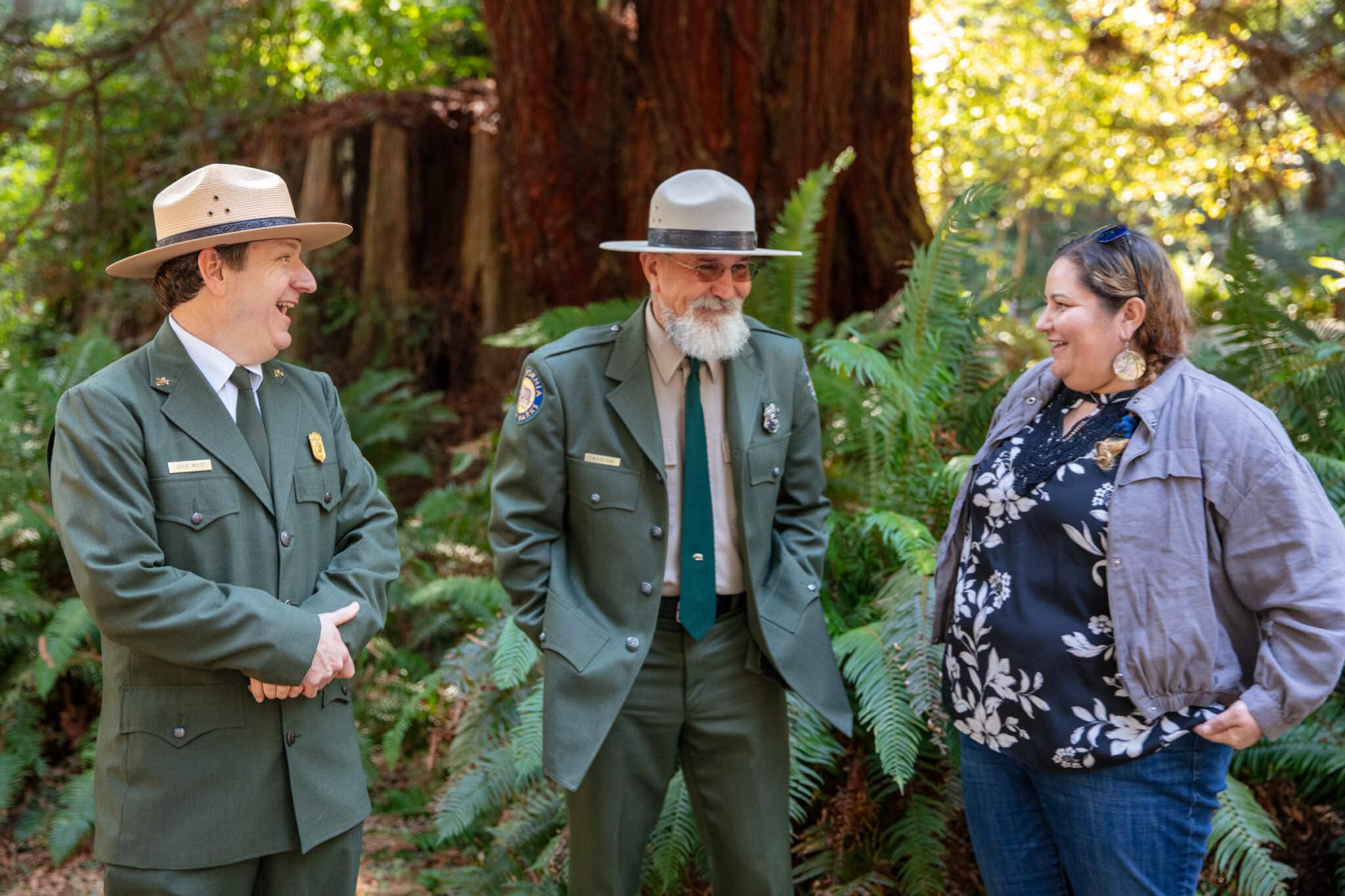
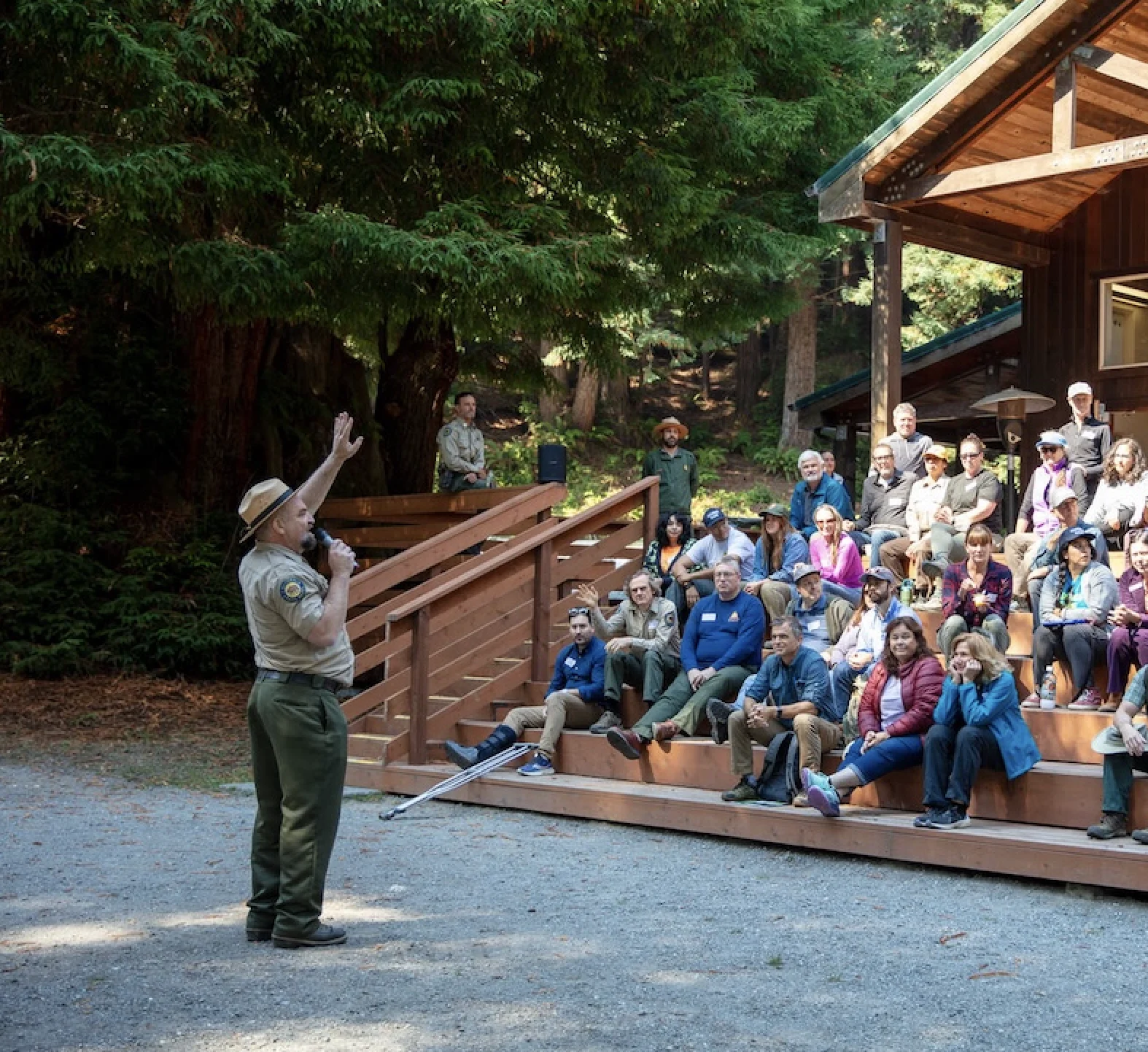
The work builds upon decades of research and redwood forest restoration projects in the parks. Working in partnership integrates the capacity and talents of each organization to drive the landscape-scale visioning, planning, and project implementation needed to increase the pace and scale of redwood forest, stream, and wildlife habitat restoration.
The damage to this landscape is beyond the point where nature can heal itself in the foreseeable future. It is only through working this way that we will be able to reconnect remaining old-growth stands, set previously logged areas back on a trajectory toward old-growth conditions, and create landscapes that will be resilient in the face of future climate change.