From California's giants to their far-flung cousins, the cypress family is well-traveled
If redwood trees threw a family reunion, the guest list would stretch far beyond California to forests in Chile, China, Vietnam, and even the Sahara. Redwoods are part of a vast global lineage: the cypress family, or Cupressaceae. This ancient group includes more than 130 species—from towering redwoods to hardy desert survivors and rare relic trees found nowhere else on Earth.
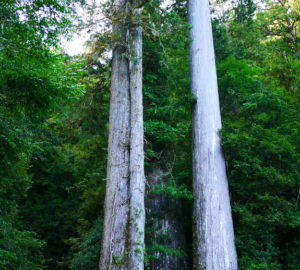
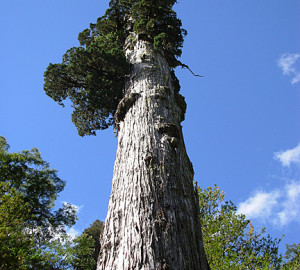
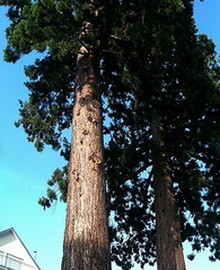
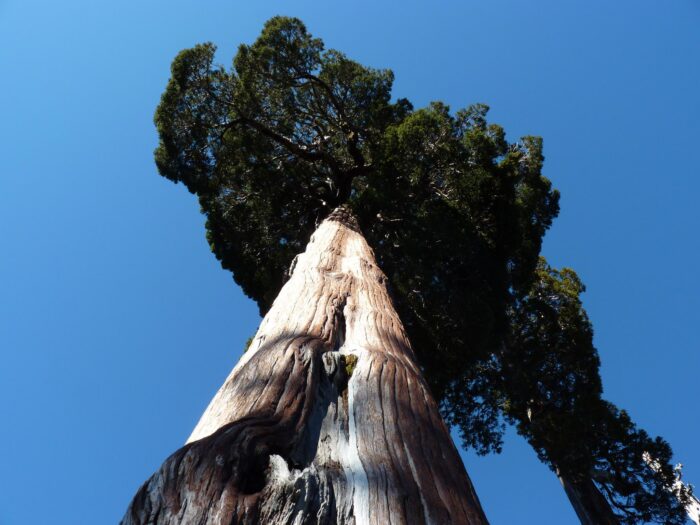
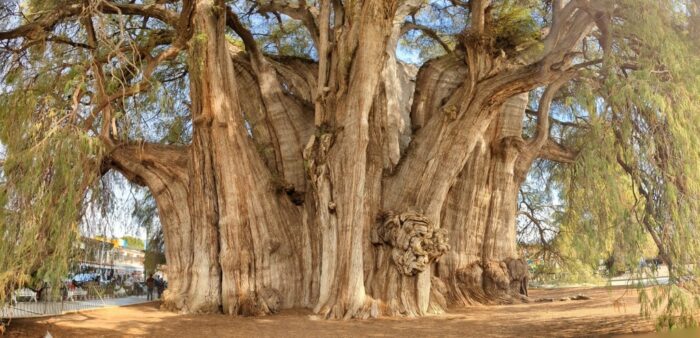
Within this extended family, the range is astonishing. Cypresses include remarkable extremes, from the world’s tallest and largest trees—the coast redwoods and giant sequoias of California—to one of the world’s oldest tree species in Chile, the alerce, also called the Patagonian cypress. Then there’s the Montezuma cypress, native to Mexico, which boasts the tree world’s thickest trunk. And in Taiwan, researchers recently confirmed the island’s tallest known tree—a 276-foot-tall Taiwania fir named “the Heaven Sword”—discovered with the help of hundreds of citizen scientists.
Meet some redwood relatives (fun facts edition)
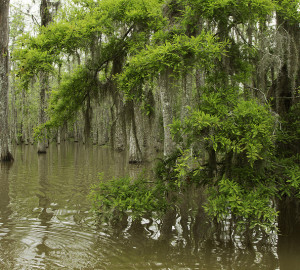
- Bald cypress (southeast U.S.): Unlike most conifers, it drops its leaves each fall—hence “bald.”
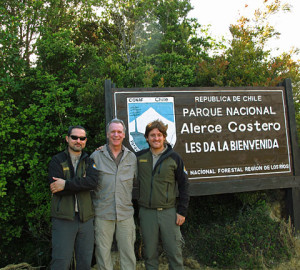
- Patagonia cypress (Chile & Argentina): Its wood once functioned as currency on Chilean islands.
- Mediterranean cypress (Mediterranean basin & Iran): Thrives in both highly acidic and alkaline soils.
- African juniper (Arabian Peninsula to Zimbabwe): The only juniper found south of the equator.
- Vietnamese golden cypress (Vietnam & southeast China): The newest known cypress—discovered in 1999.
- Taiwania fir (southern Taiwan): The Indigenous Rukai people of southern Taiwan call this species “the tree that hits the moon.”
- Sugi (Japan): Legend says it grew from a deity scattering beard hairs across the land.
- Japanese cypress (Japan): A horticulture favorite, especially in dwarf form.
- Thuja (northwestern China): Leaves and oils are used to treat headaches and skin conditions.
- Australian cypress (eastern Australia & Tasmania): Boasts the hardest wood of any conifer on Earth.
More than just giants
But beyond size and age, what really defines this family is its character.
Just like your favorite great-aunt at the reunion, members of the cypress family tend to be adaptable, resilient, and long-lived (they’re terrible at making potato salad, though). Found on every continent except Antarctica, these redwood relatives thrive in environments ranging from the Norwegian Arctic to the central Saharan desert, and from 17,000 feet in the mountains of Tibet down to sea level.
To survive in these varied conditions, many cypress species have evolved extraordinary adaptations. Coast redwoods in northern California use fog as a water source. Far across the Pacific, their Vietnamese golden cypress cousins live on jagged ridges and summits in cloud forests, where they grow a mix of leaf types to switch between catching light and conserving water. And in the swampy lowlands of the southeastern United States, the bald cypress uses wide-reaching root systems to hold itself steady in soft, saturated soils.

These survival strategies didn’t emerge overnight. They’re the result of an extraordinarily long history. The earliest members of this tree family appeared more than 200 million years ago during the Mesozoic Era. Although ice ages over the past 2 million years reshaped where these trees could grow, their descendants still occupy a wide range of habitats around the world.
What remains today is only a fraction of that once-global family. Many living species are now considered relics—including the coast redwood, giant sequoia, dawn redwood, and alerce—the sole survivors of ancient lineages that were once far more widespread.
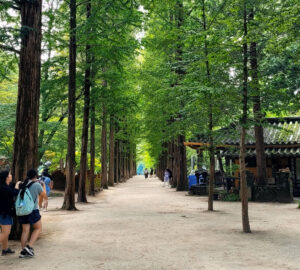
A few surviving cypress species offer a glimpse into that ancient world. Dawn redwoods, for example, once dominated much of the Northern Hemisphere and, though widely planted today (including in South Korea), now grow wild only in a small area in China. In North Africa, fewer than 250 Saharan cypress trees—known locally as the tarout tree—remain, many of them more than 2,000 years old.
Preserving the extended redwood family
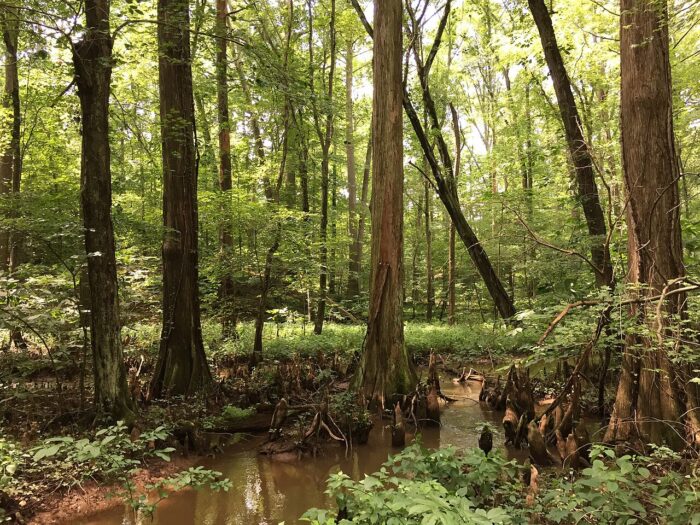
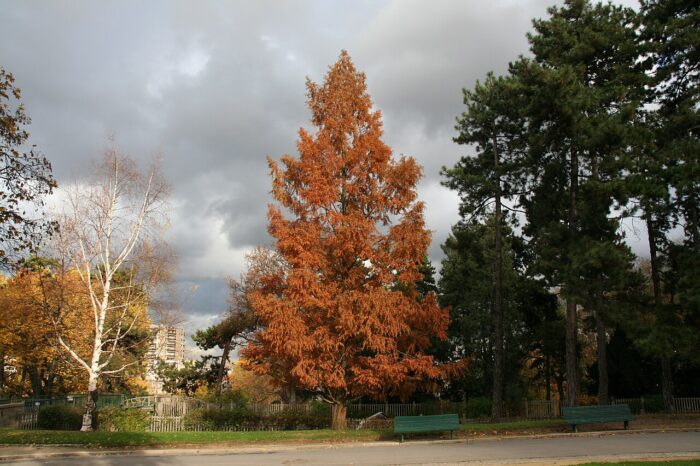
Despite their rarity, these trees still play outsized roles wherever they grow. Anywhere they’re rooted, redwood relatives are major contributors to their ecosystems—ecologically, culturally, and economically. In Vietnam, the golden cypress produces aromatic timber used to build shrines and coffins, a practice that has reduced the number of wild trees to just a few thousand. Closer to home in the southeastern United States, bald cypress habitats provide breeding grounds for amphibians, while their canopies shelter birds such as herons and egrets.
But these vital roles don’t make redwood relatives immune to harm. Many of these trees are threatened by commercial logging, land use change, and other pressures—a story that echoes the history of the coast redwood.
Taken together, these trees reveal a family that is as vital as it is vulnerable. From record-breaking giants to rare and ancient survivors, redwood relatives support ecosystems, shape cultures, and carry millions of years of evolutionary history. Yet many are now endangered or at risk, even as new discoveries—like the Taiwania fir and previously unknown populations of the Vietnamese golden cypress that were discovered in 2014—show us how much there is still to learn.
Through science, stewardship, and partnership, conservation efforts like those led by Save the Redwoods League help ensure that this global family of trees continues to stand tall.