
May 15, 2026
The big picture: Save the Redwoods League’s Monte Rio Redwoods Expansion added 1,517 acres to Monte Rio Regional Park and Open Space Preserve—and opened a members-only trail network to the public for the first time.
The trails: About 27 miles of trails, most open to hikers and cyclists, with fire roads welcoming equestrians.
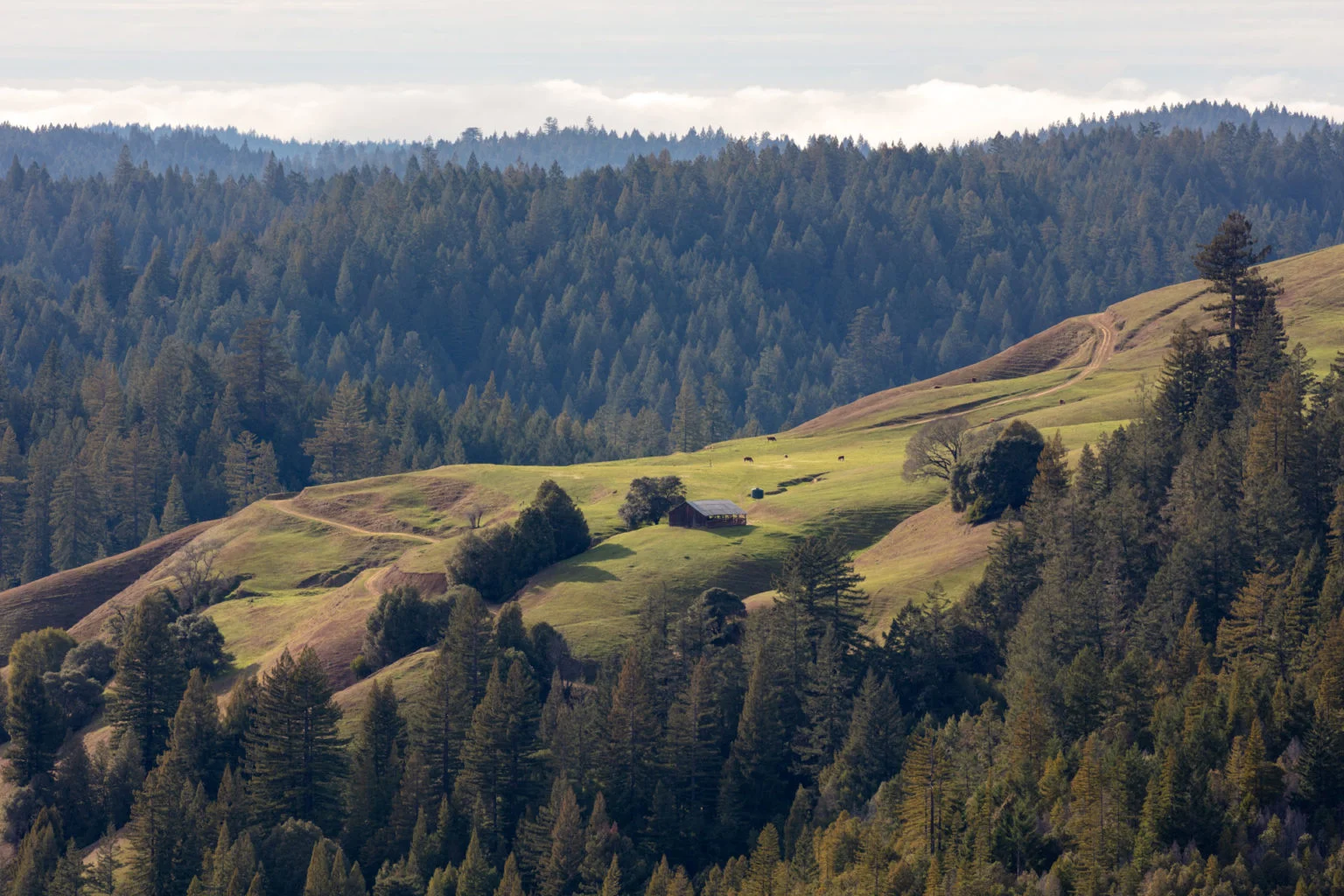
What you’ll see: Thriving young redwoods, open meadows, ridgeline views to the Pacific, and cool, shaded creeks.
Access: There are multiple entry points near Monte Rio and Occidental. Trail maps are available online and at main trailheads. Parking is available at the Creekside Park entrance in Monte Rio for $8. Walk-in access for bikers and hikers is available at the Upper Willow Creek trailhead, 18544 Willow Creek Road, and at Freezeout Flat, 25572 Freezeout Road, off Highway 116.
Good to know: Most trails are rated for beginner to intermediate riders. There are four bike-only and three hike-only trails. Class 1 e-bikes are allowed. No water at the trailhead.
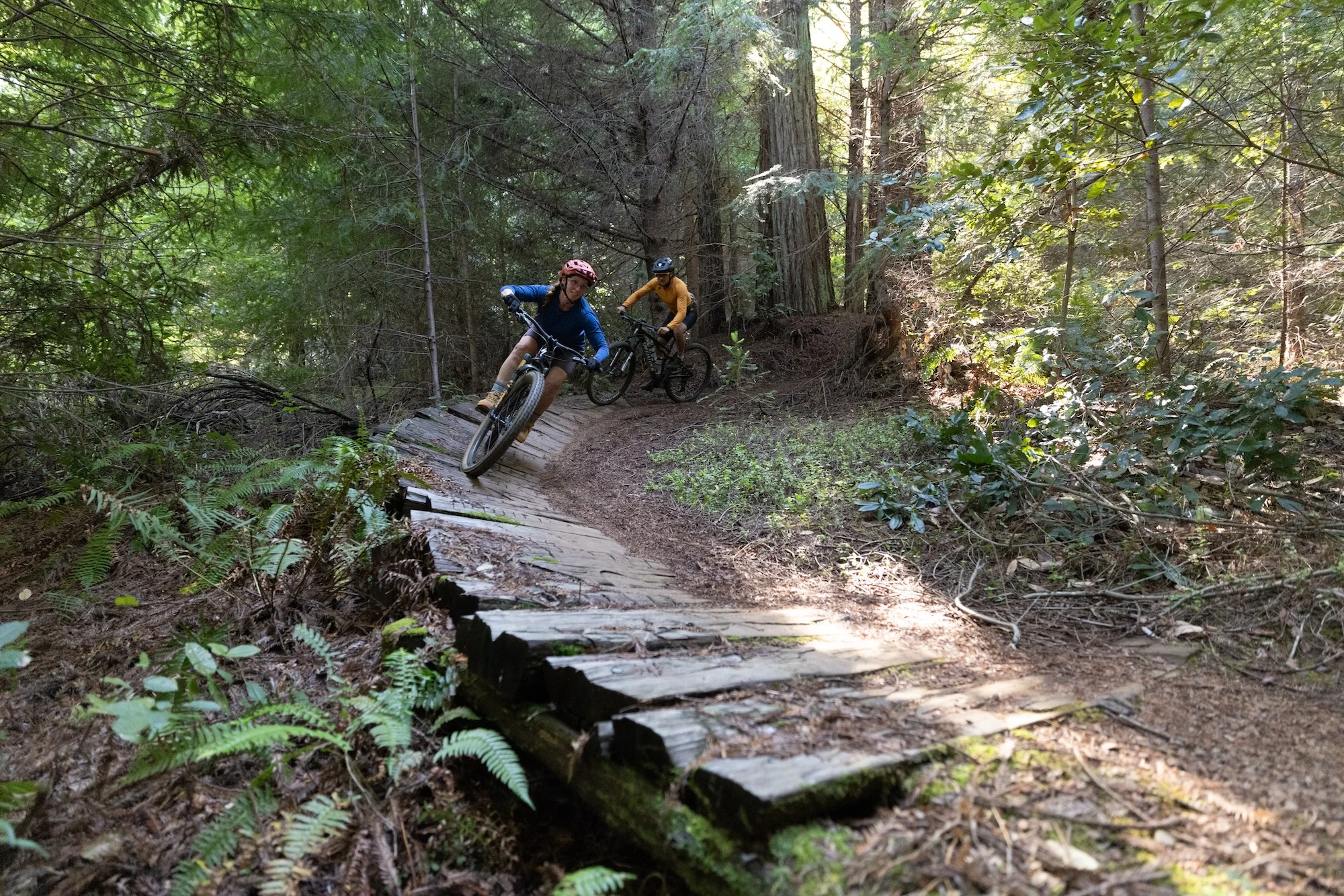
Riders of all skill levels and ages can enjoy this well-built trail system. Photo by Justin Lewis/Coldwater Collective.
If you ride mountain bikes in the Bay Area, you’ve likely heard the whispers. A members-only trail system hidden in the redwoods near the Sonoma County hamlet of Occidental. Open meadows and stunning views of forested hillsides as far as the eye can see, with the Pacific Ocean sparkling in the distance. Heavenly riding, but on private land owned by a timber company. Despite being a longtime mountain biker, I’d never ridden there. I’m not a member of the private Gianni Cycling Association—the group that built and maintained the trails—and without that membership, there was no getting through the gates.
But not anymore.
In June 2025, Save the Redwoods League led the $24 million acquisition of 1,517 acres of redwood forest as part of the Monte Rio Redwoods Expansion. Save the Redwoods then transferred the property to Sonoma County for inclusion in Monte Rio Regional Park and Open Space Preserve. The addition quadrupled the preserve’s size and helped create a connected landscape of more than 24 square miles of protected redwoods, meadows, and streams stretching west to the sea.
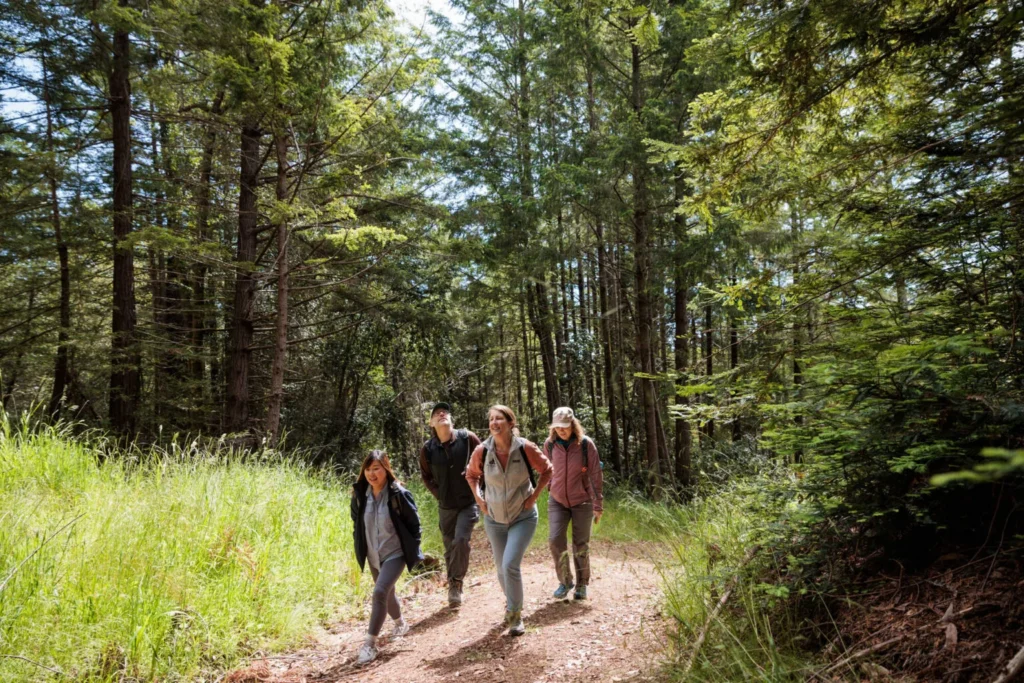
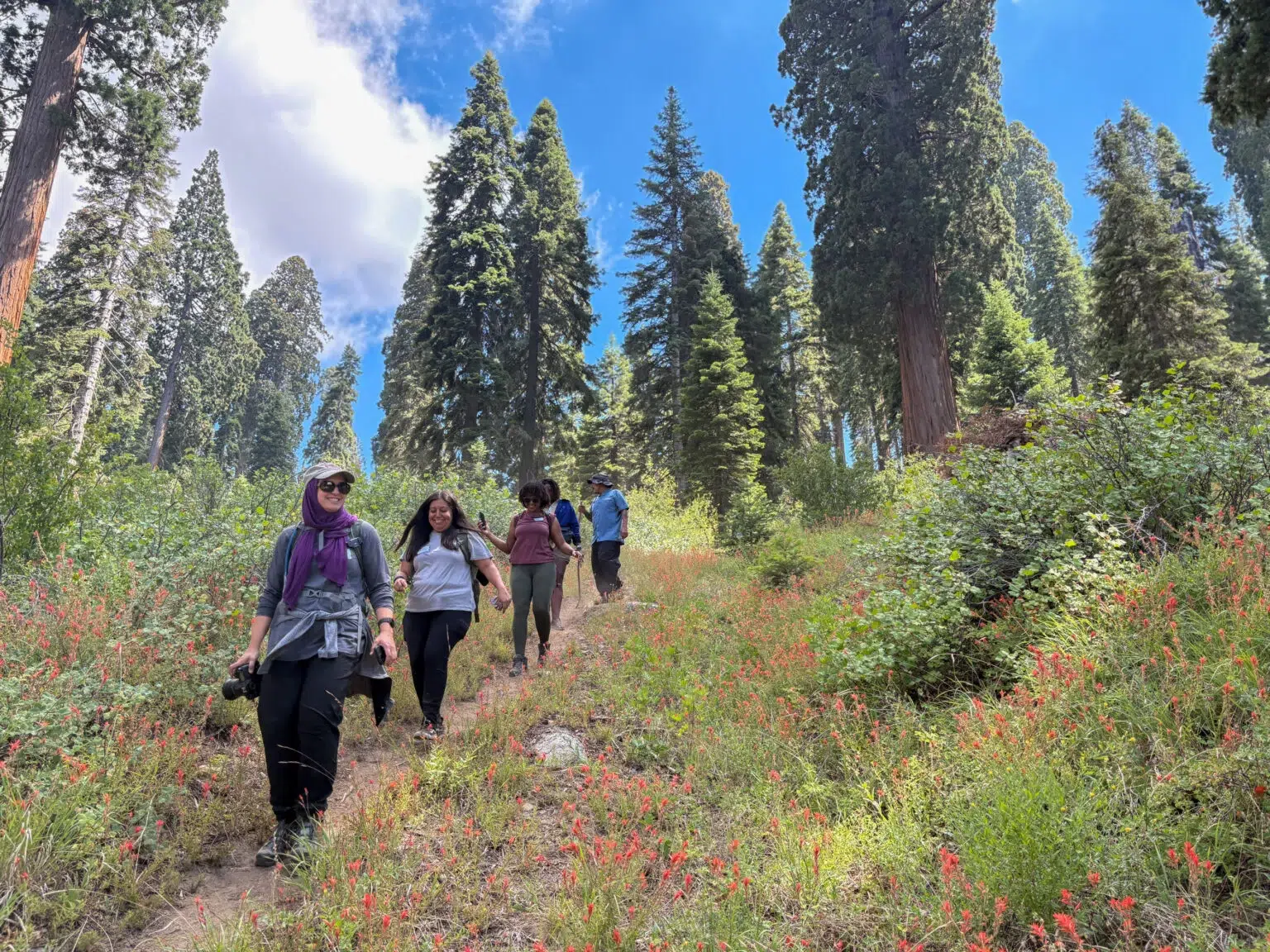
Hikers can also find plenty of room to explore in the preserve. Photo by Max Whittaker.
The Gianni trails, already etched into the land, became part of the expanded park—and, at last, open to all.
“We were so pleased that the existing trails meant the new park could welcome visitors right away,” says Sara Press, senior manager of land protection at Save the Redwoods. “It’s an incredible place to ride and hike. Locals have wanted public access for years.”
I’ve long dreamed of riding the Gianni trails. Recently, after a few weeks of waiting out late spring rains, I finally had my chance. And yes, it’s every bit as magical as I’d heard.
A trail system revealed
My ride started at the Upper Willow Creek entrance on the preserve’s southeastern border. At the trailhead, young redwoods broke a brilliant spring day’s sunshine into a mosaic of shadows. The only sounds I heard were the creaking of branches stirred by a soft breeze, and the echoing hoots of an owl. I snapped a photo of a posted trail map, pushed open the gate, and rolled on through.
The preserve includes about 27 miles of trails threading through redwoods, live oak, madrone, bay, then spilling out into open meadows and ridgelines with views that seem to stretch endlessly. Though a handful of trails are dedicated to biking or hiking only, most of the trails are mixed-use, with a few also open to equestrians.
Before setting out, I’d spoken with Tom “Snap” Gonnella, founder of the Gianni Cycling Association. He pointed me toward his favorite ride: a long, looping route along the preserve’s southern edge. “You’ll get a great sense of what makes this place so special,” Gonnella said.
It didn’t take long.
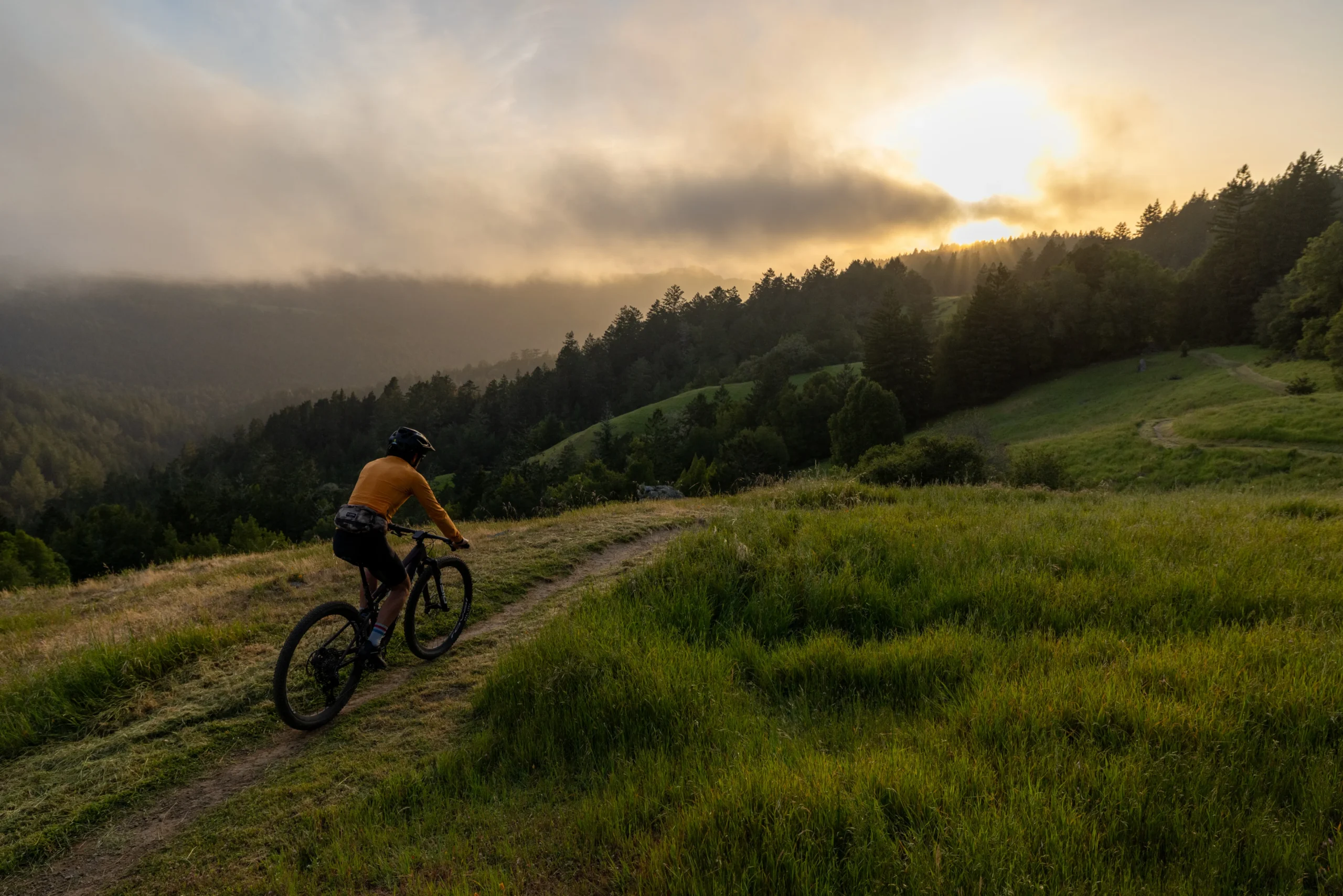
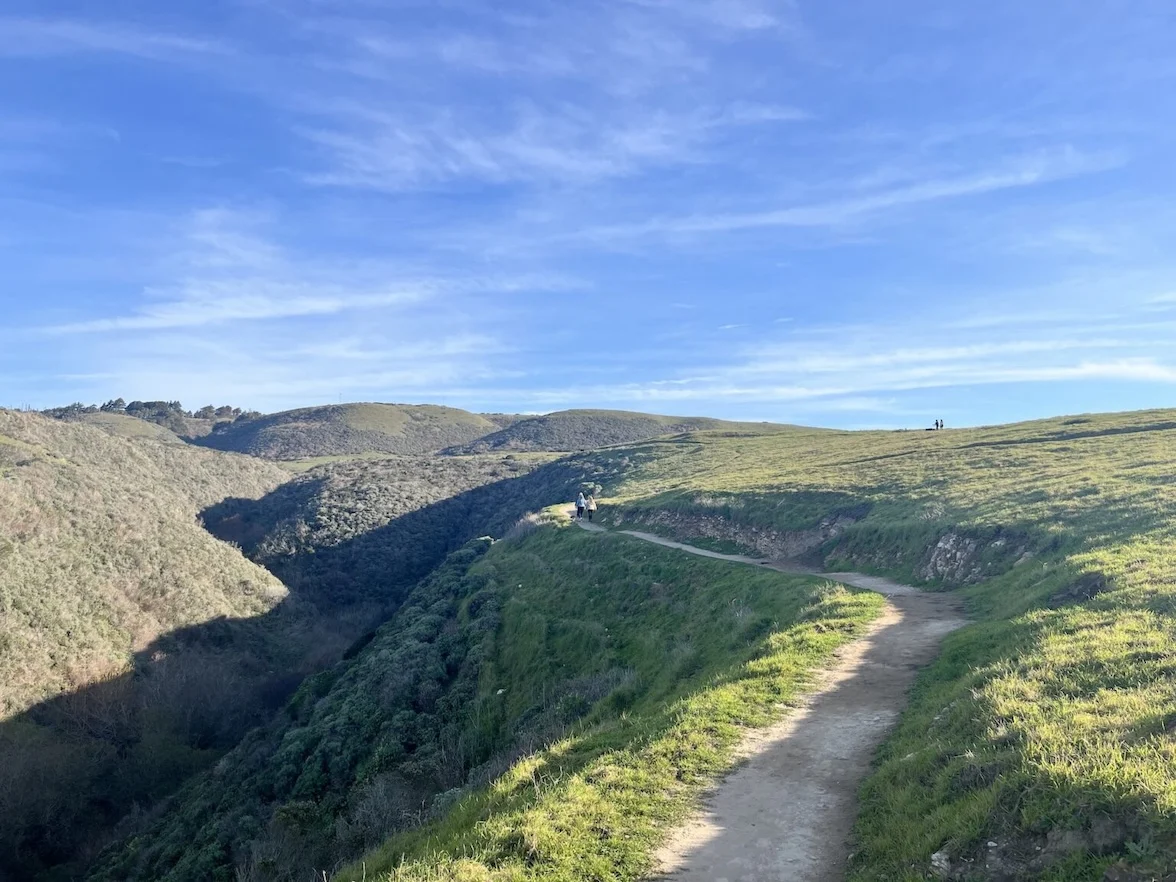
Barely 20 minutes in, I joined a trail called Sound of Music, emerged from the forest, and skidded to a halt, breathless—not from the ride, but from one of the most stunning views I’d ever seen from a bike saddle.
The trail crossed a plateau above a redwood-filled valley. A forested hill rose steeply on the valley’s far side, dotted with barns and neatly kept pastures. Emerald green grasses shimmered in the wind, with bouquets of purple and yellow wildflowers poking through. I (barely) resisted the urge to step off the bike and spin through the scenery like Julie Andrews. I had a whole lot more to see.
A living, breathing landscape
The Gianni Cycling Association built the trails over decades through lease agreements with timber companies that owned the land. The forest still bears the marks of past logging—including stumps and old roads—but the landscape today feels vibrant, diverse, and alive.
For much of the day, hawks pinwheeled overhead, bees bumbled among flowers, and black-tailed deer looked on curiously as I passed. Black bears and American badgers are known to clamber across these rugged slopes, though I didn’t see any.
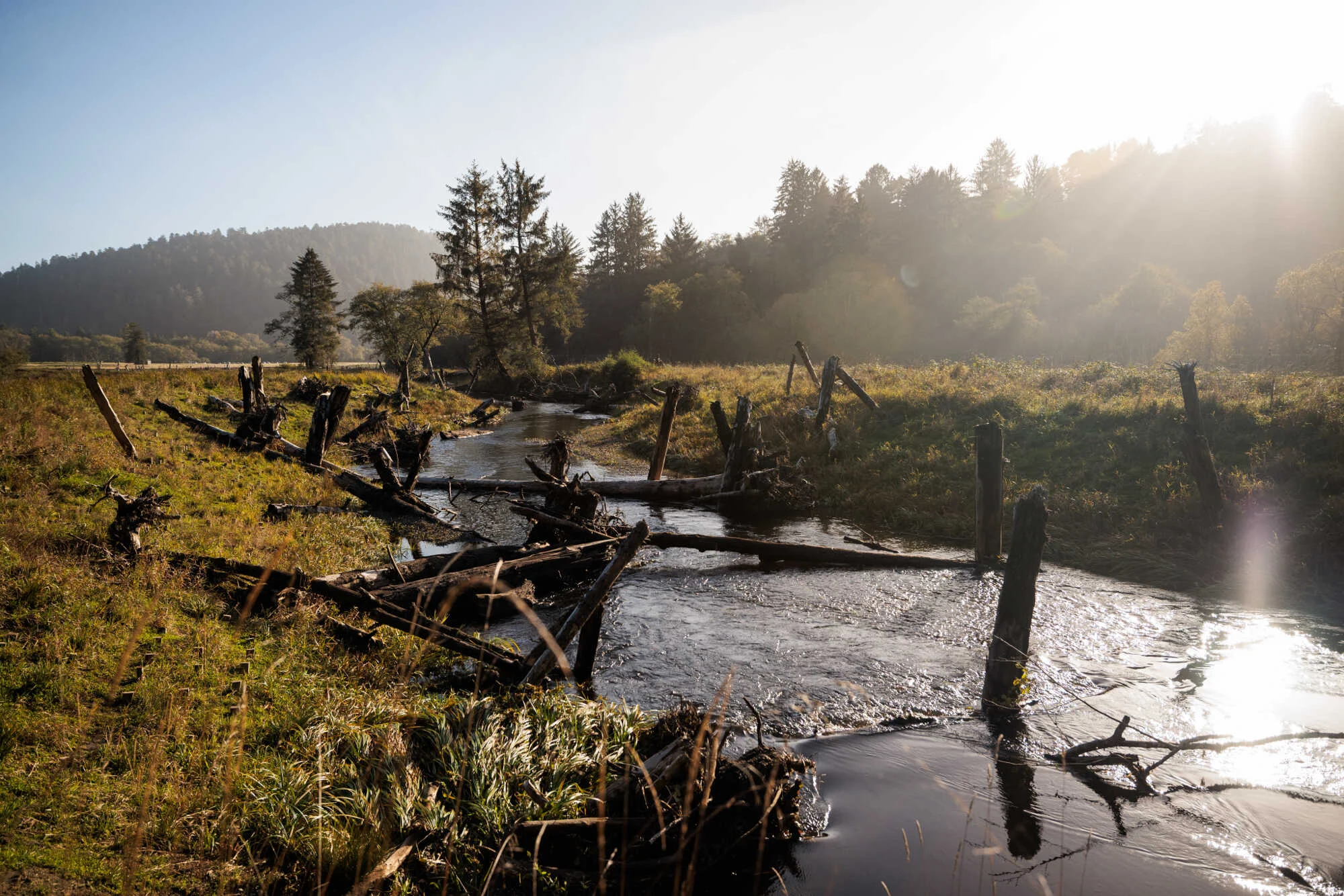
As I descended deeper into the forest, I reached Freezeout Creek near its confluence with the Russian River, where the water spills into cool, shaded pools. I stopped to refill my water bottle (pro tip: always carry a portable filter) and spotted tiny juvenile coho salmon darting through the clear, cold water.
The headwaters of the Russian River tributaries Freezeout Creek, Dutch Bill Creek, and Willow Creek—and the vital salmon spawning grounds they sustain—are now protected as part of the newly enlarged preserve. Those young fish, crucial to the recovery of the imperiled coho population, are an encouraging sign that the recovering forest is thriving.
Looking out over forever
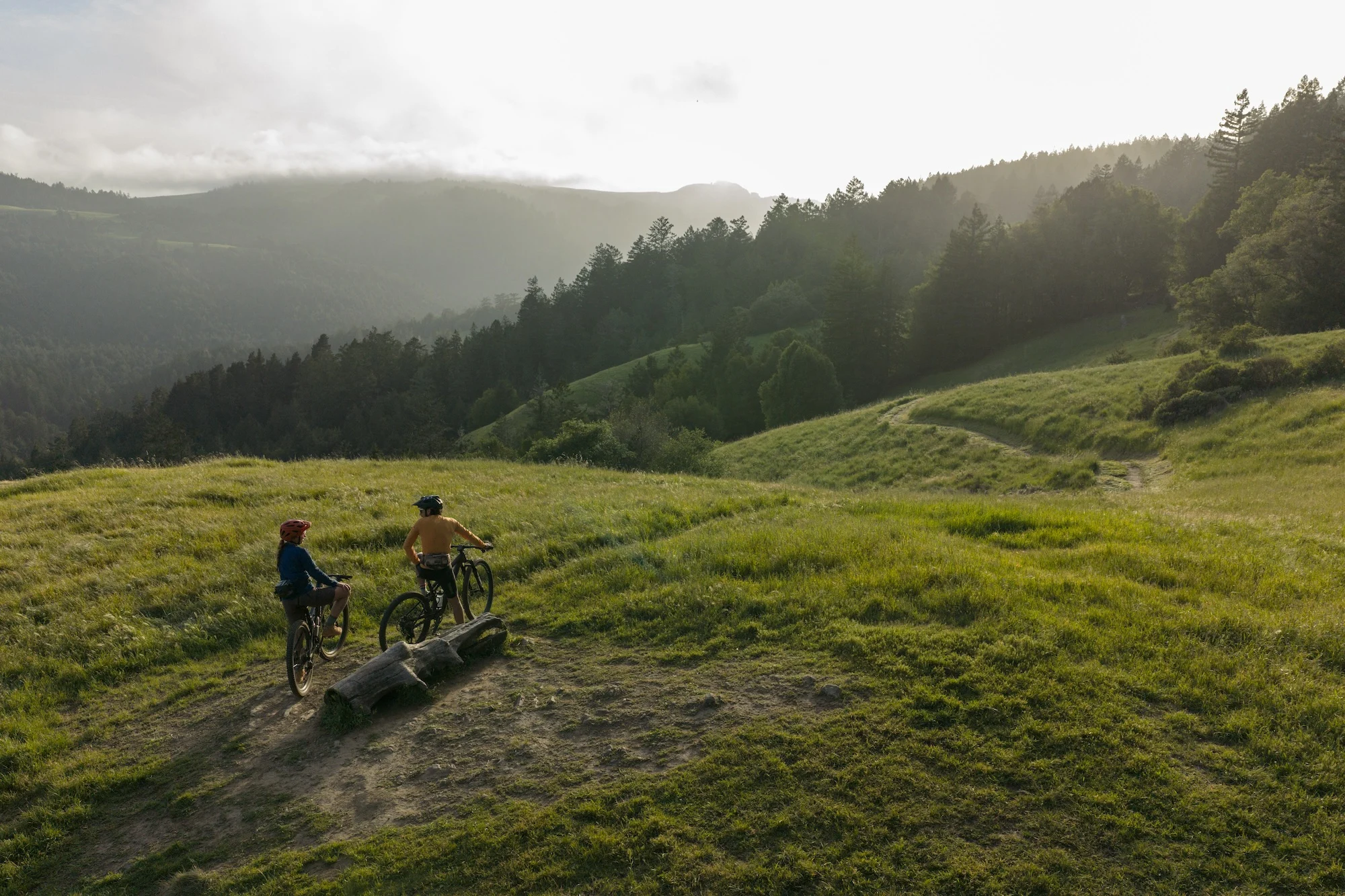
The Monte Rio Redwoods Expansion was the final piece of a puzzle that created a contiguous, protected 22,000 acre wildlife corridor from the Bohemian Highway to the ocean. Photo by Justin Lewis/Coldwater Collective.
Refreshed by Freezeout Creek, I began a long climb toward a lookout called West Pole on the preserve’s northern border. At the top, a small group of hikers lay stretched out with their heads resting on their packs, soaking up the sun.
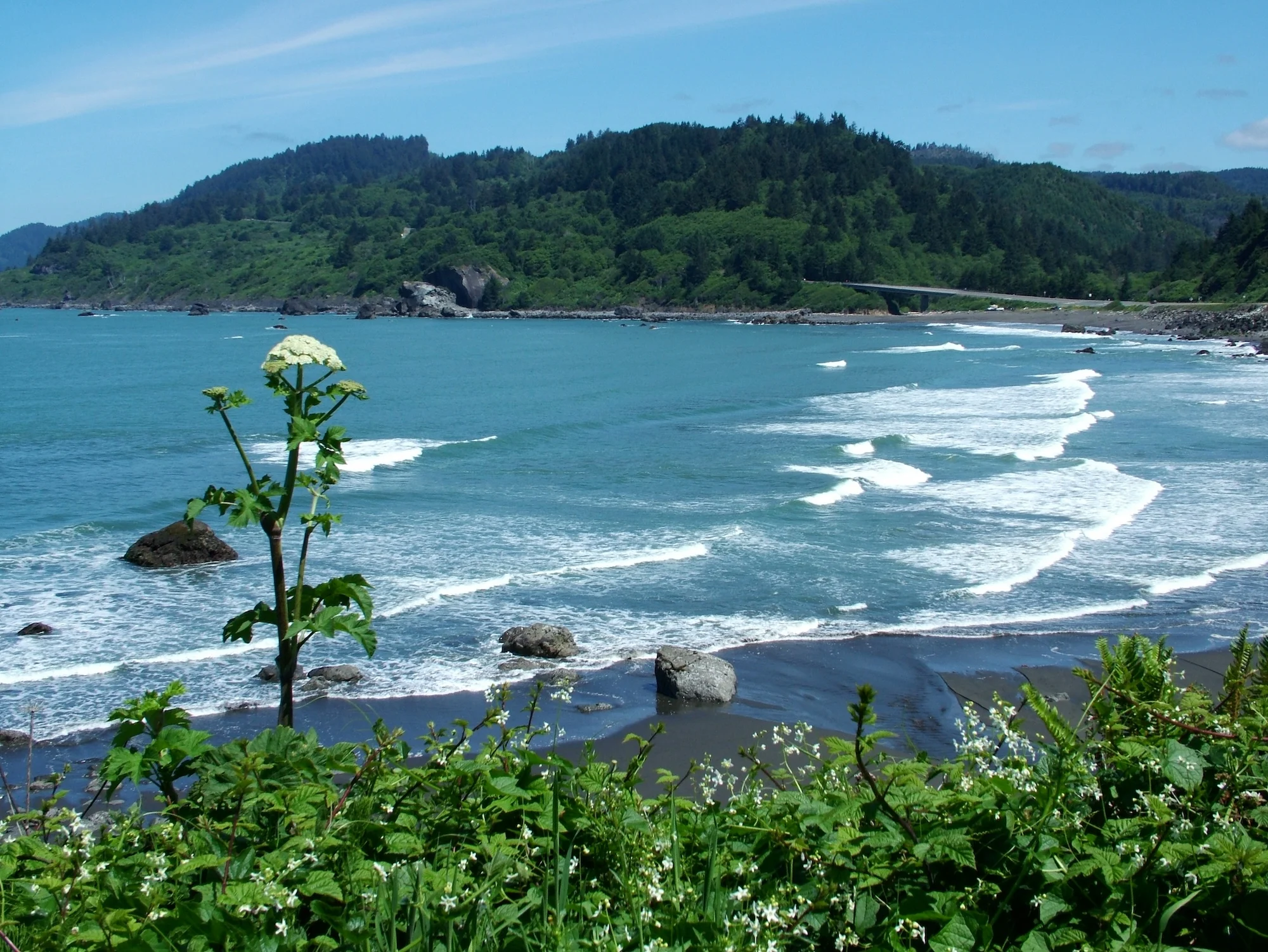
Together, we looked out over the Russian River flowing past the town of Duncans Mills, our eyes drawn west to where the river meets the sea, an unbroken view of tens of thousands of acres of redwood landscape—now preserved forever. None of us had been there before. All of us vowed to come back.
Gonnella, who spent decades stewarding these trails, had long imagined the public experiencing moments like this in a forest he deeply loves. “It would always break my heart to tell [non-members] they couldn’t use the trails,” he says. “I’d always hoped this place would someday be a public park.”
2 Responses to "A once-private redwood ride is now open to everyone"
What else can I say but WOW!
Well actually I want to say how happy and thankful I am that this new piece of the puzzle was put into place.
I hope to visit in the near future.
Where do I access this area from?
Hi Daniel, there are a few access points. The Monte Rio Redwoods Open Space + Preserve website lists them: https://parks.sonomacounty.ca.gov/visit/find-a-park/monte-rio-redwoods-regional-park-and-preserve