
May 19, 2026
In a hospital emergency room, a triage system helps doctors and nurses decide who needs care first. A heart attack patient is rushed in immediately. Someone with a sprained ankle may have to wait.
Across the Sierra Nevada, giant sequoia groves are facing their own emergency. Since 2015, extreme wildfires have killed 17% of mature sequoias, including some of the world’s largest trees. And many groves that haven’t burned are standing atop decades of accumulated debris, surrounded by flammable brush and small trees.
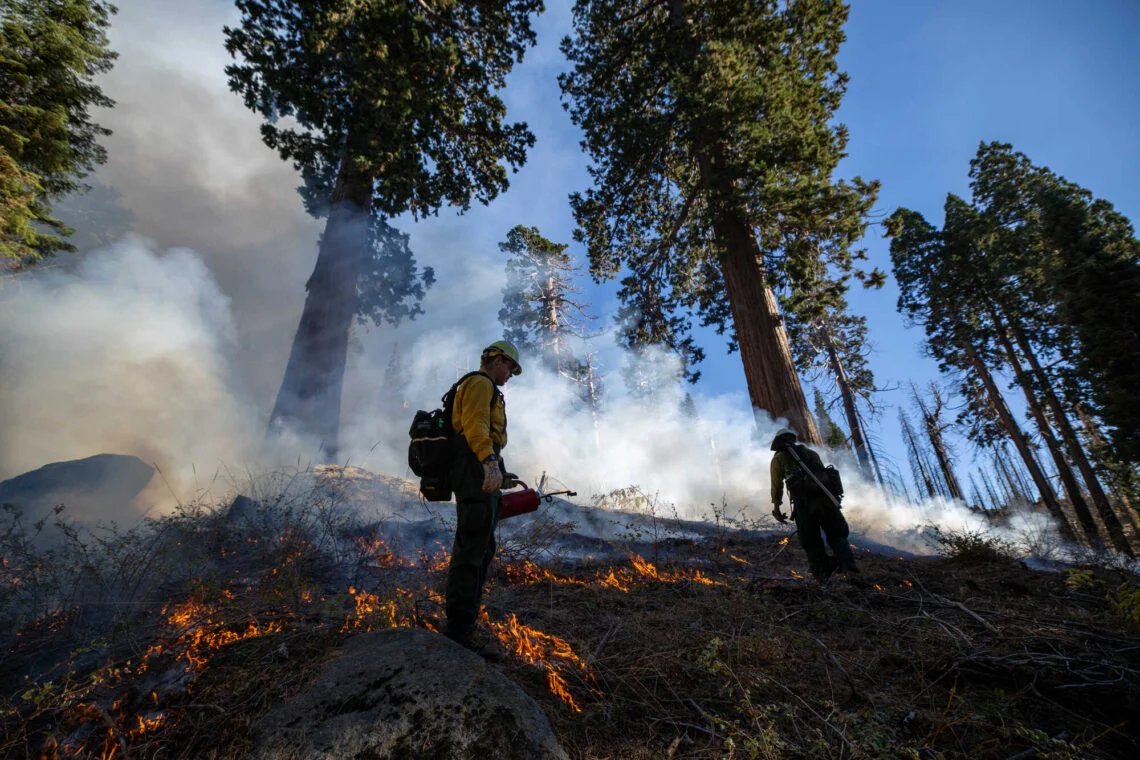
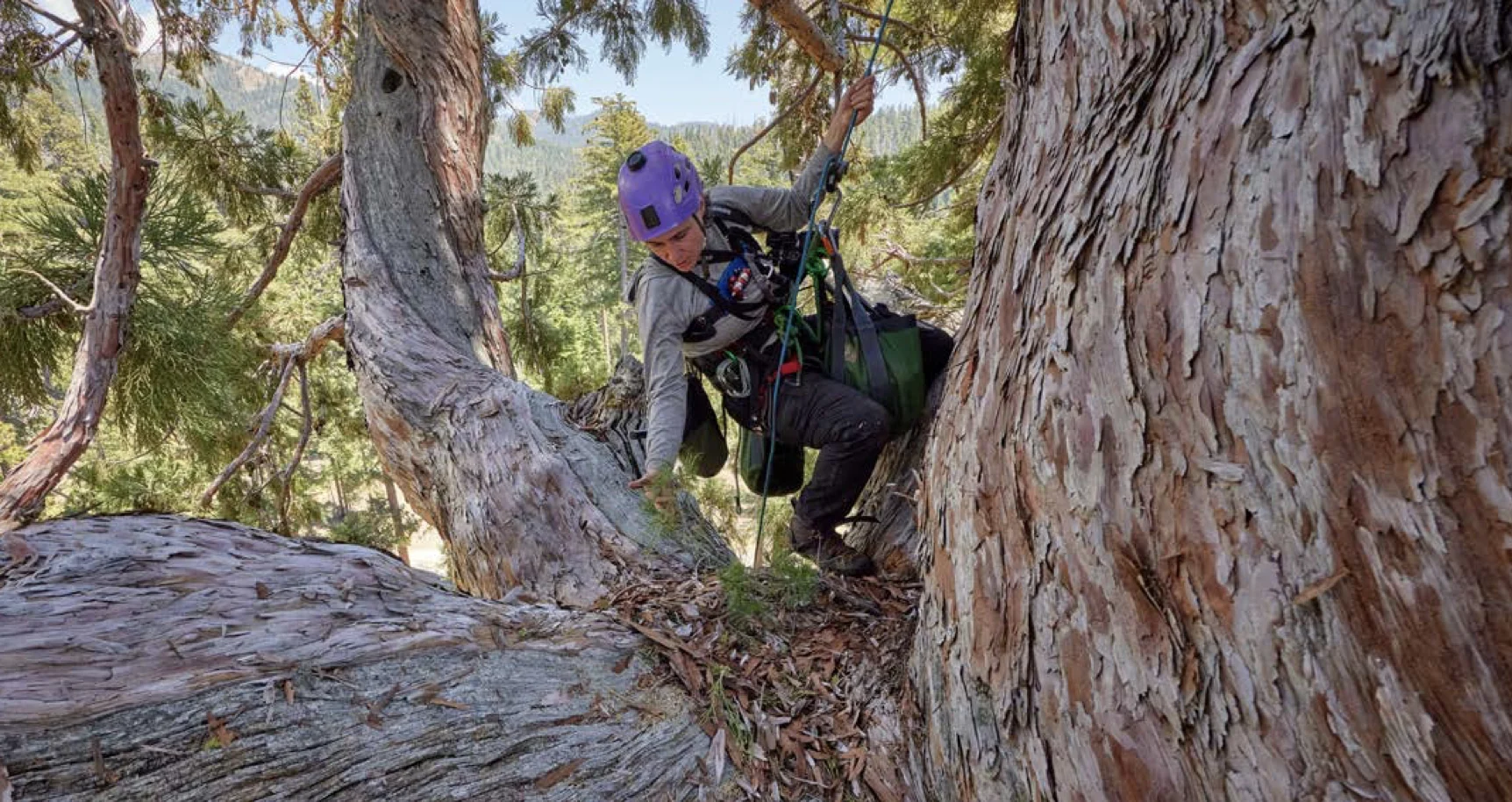
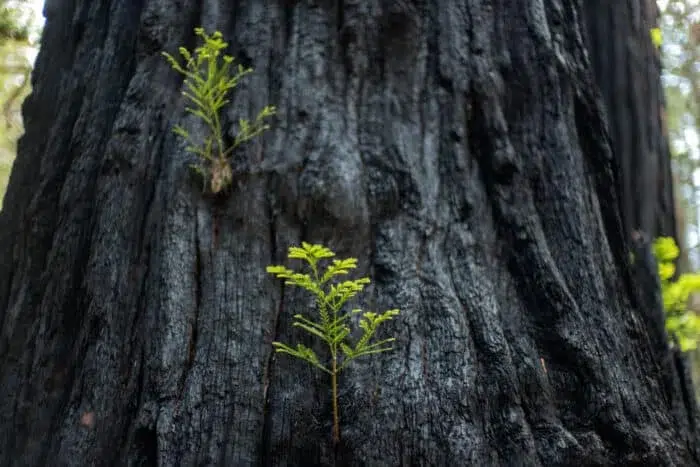
These emergency cases have been steadily treated by Save the Redwoods League and our partners in the Giant Sequoia Lands Coalition (GSLC)—an alliance of sequoia managers that Save the Redwoods helped launch in the wake of the catastrophic 2020 and 2021 wildfires. This crucial work includes planting thousands of native seedlings in severely burned groves and removing dangerous fire fuels ahead of increasingly intense wildfire seasons.
But the sequoias are scattered across 94 groves, under several different land managers. Given limited time and resources, which giants should be treated first?
To answer this question, the GSLC’s Grove Assessment Task Force has developed its own triage system: a prioritized list of groves for fuels treatment and replanting that helps partners focus action where it matters most.
Scientific data meets firsthand knowledge
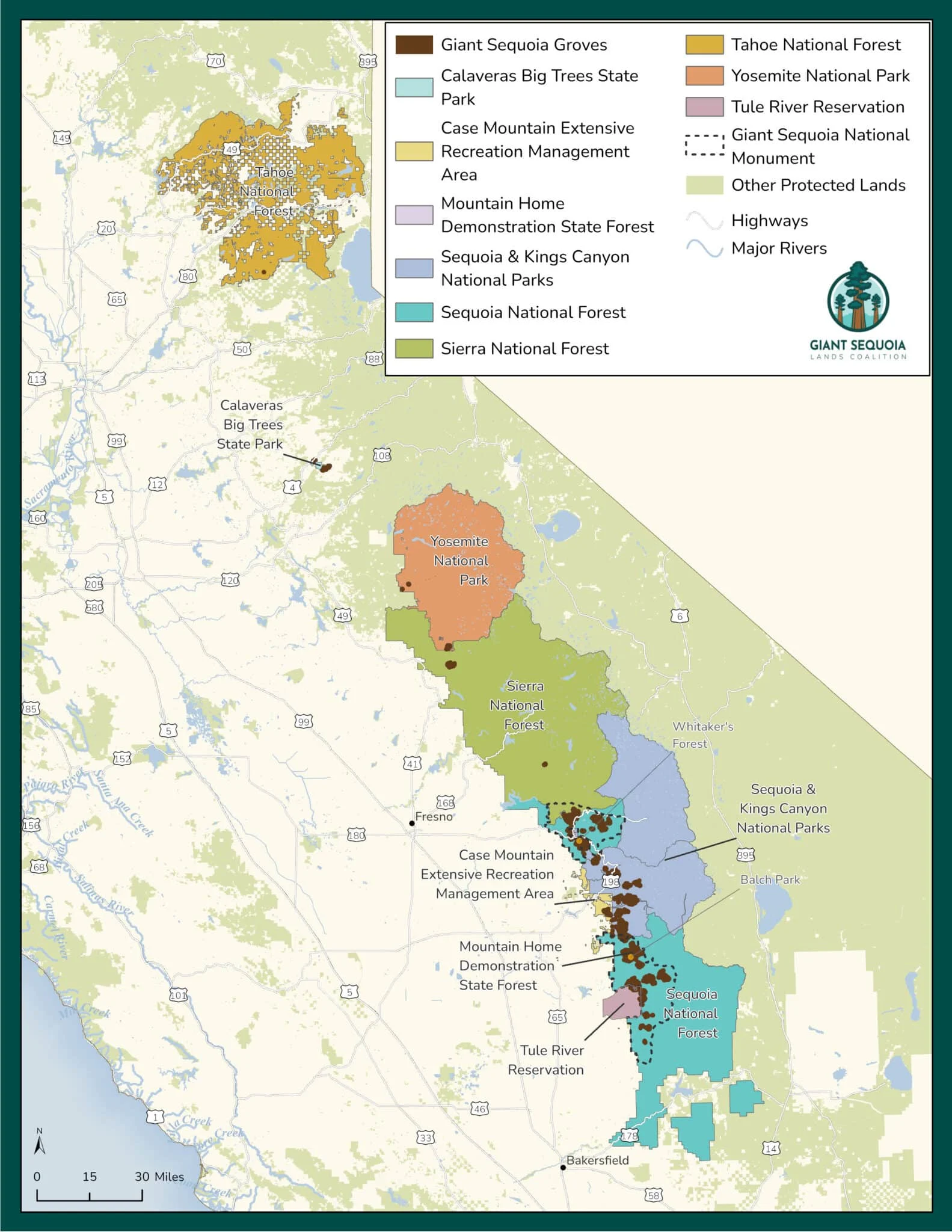
Scattered across the Sierra Nevada, giant sequoia groves are managed by many numerous land managers. Map by Save the Redwoods League.
The prioritization project kicked off in 2024, when two GSLC affiliate members—Plumas Corp and Conservation Biology Institute (CBI)—received grant funding from the Sierra Nevada Conservancy.
To start, CBI analyzed the health and condition of each sequoia grove using more than 100 datasets, including wildfire and drought history, scientific research on sequoias, and information on how each grove has been managed over time. The results were summarized in metrics such as “wildfire vulnerability” or “beetle activity.”
CBI also built data models to estimate how vulnerable each grove was to three distinct threats: wildfire, lack of seedling regeneration, and drought. With help from Marc Meyer, a U.S. Forest Service ecologist and science advisor to the task force, these models were combined to show overall risk for each grove.
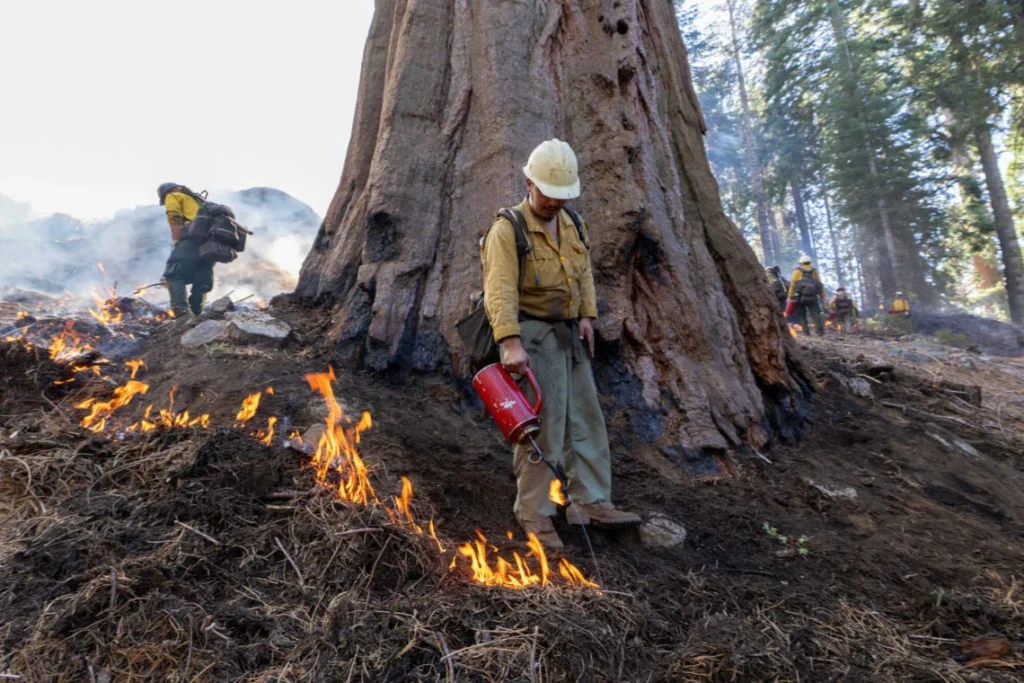
Crews use a drip torch to light low-intensity fires around the base of a giant sequoia at Alder Creek. Photo by Coldwater Collective.
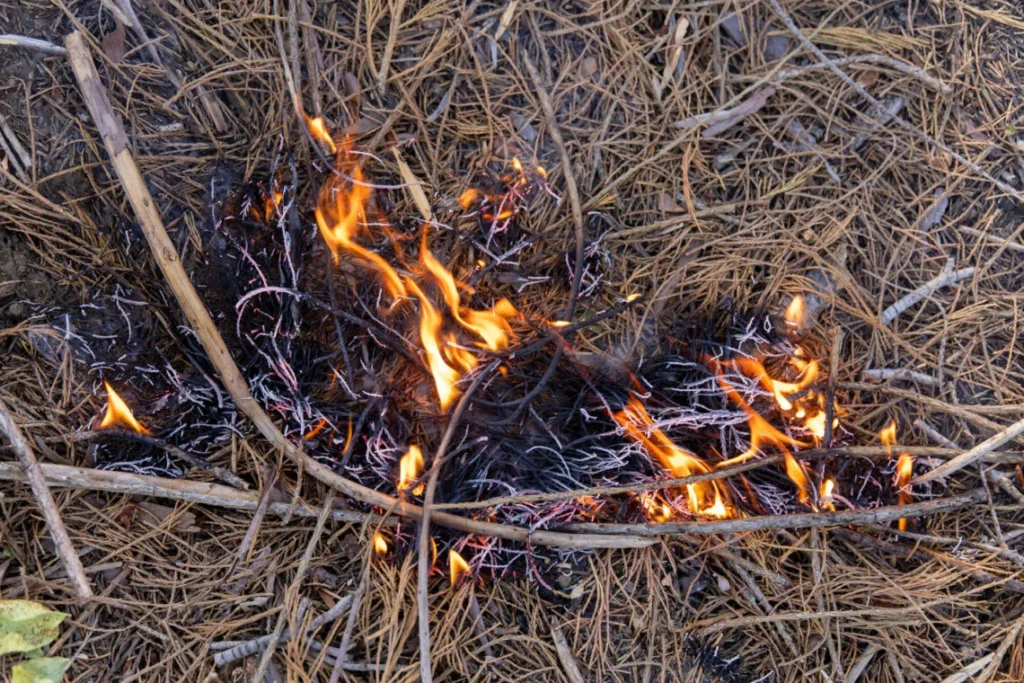
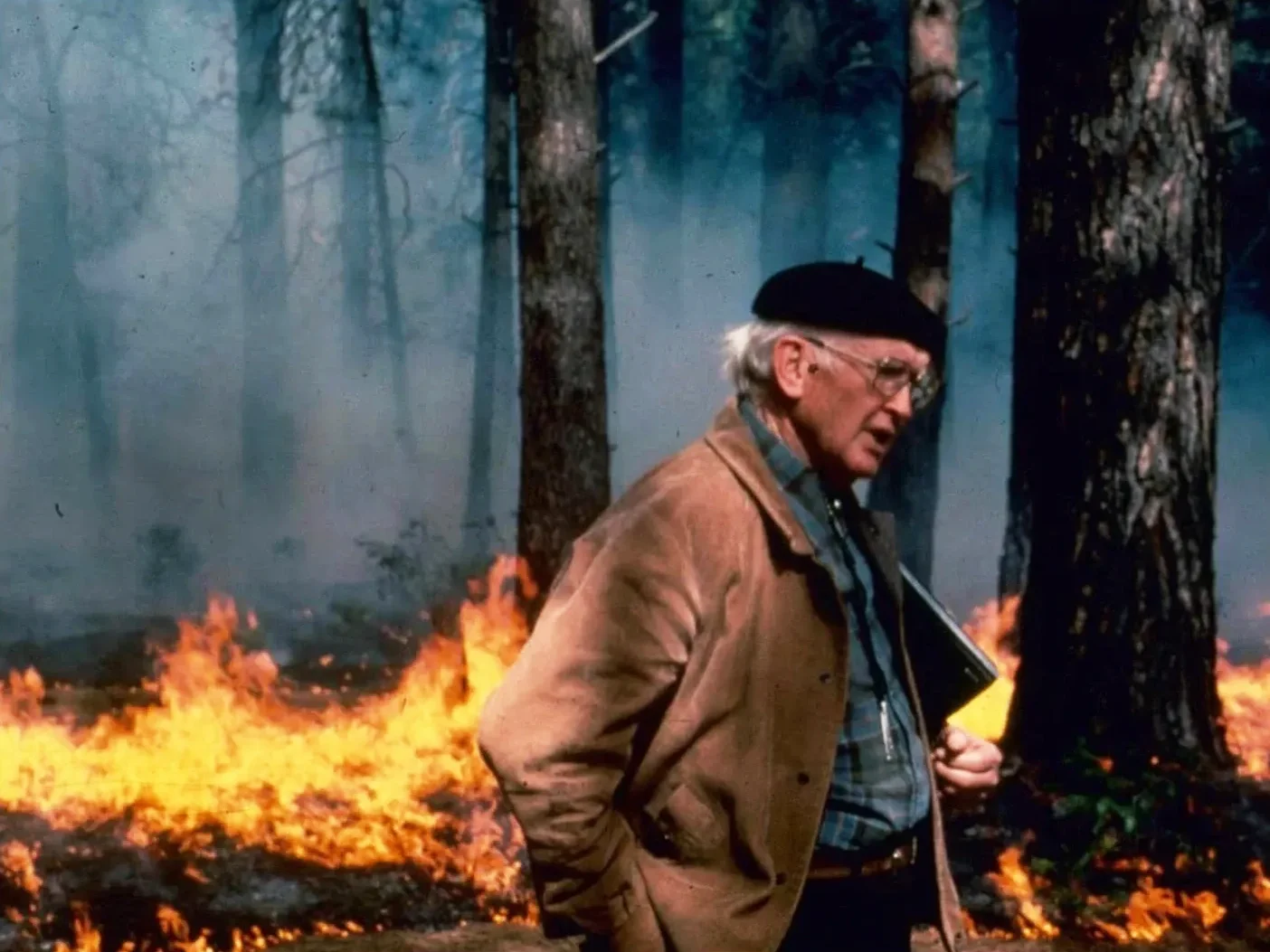
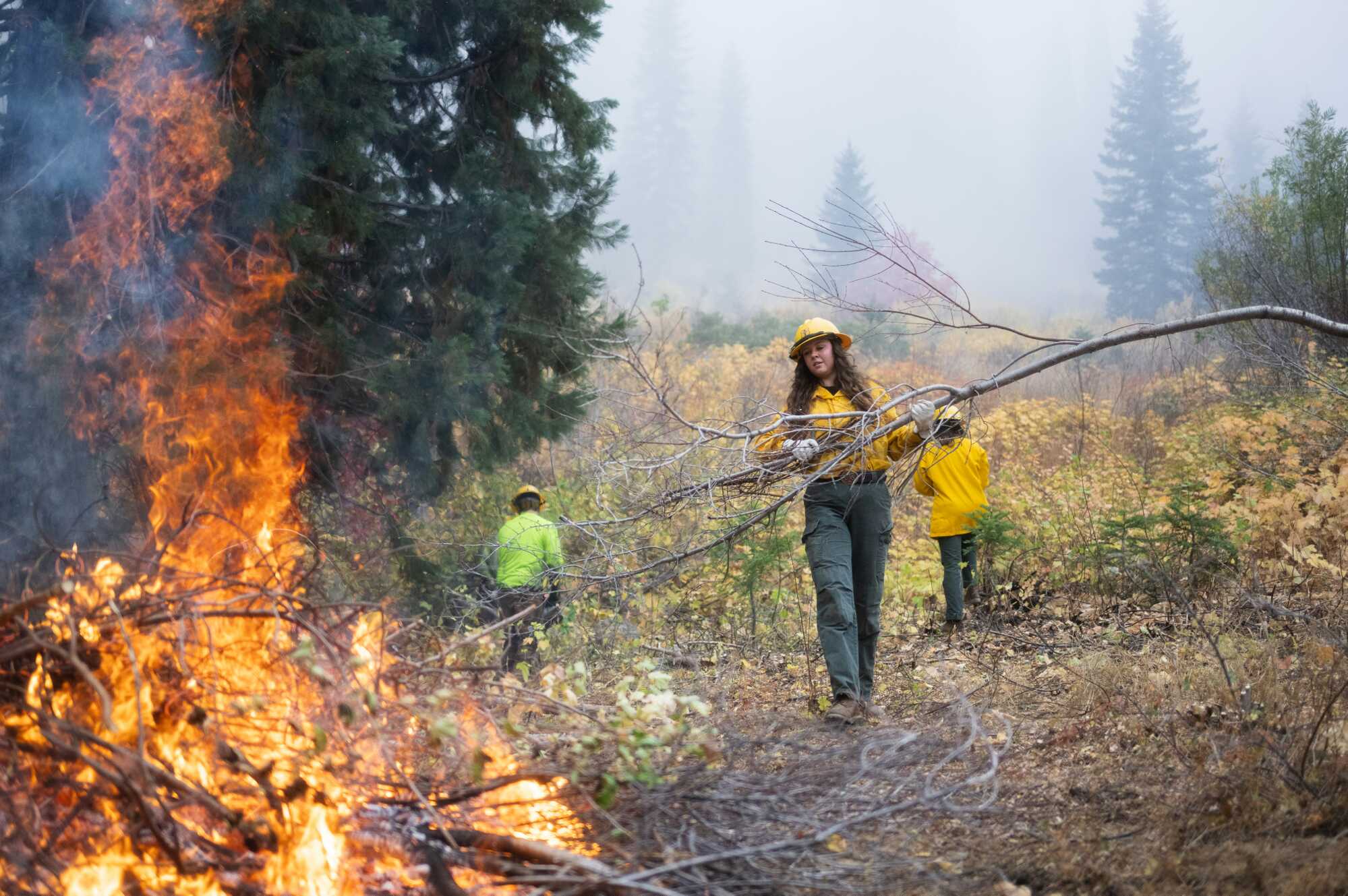
Prescribed burning clears the forest floor of needles and small branches, which can fuel extreme wildfires. Photo by Coldwater Collective.
Last June, the Grove Assessment Task Force met to review the results and layer in firsthand knowledge from sequoia experts. “The data-driven part of the process is very systematic,” says Deanne DiPietro, CBI’s senior science coordinator. “But Marc [Meyer] and the grove managers know things that aren’t seen in the data.”
Agency staff and land managers contributed on-the-ground detail about specific groves—from fine-grained notes on which areas had burned to practical realities such as how remote locations or steep terrain could hamper work. Experts also documented which restoration and resilience treatments had already been completed.
“Not all treatments are considered equal when it comes to wildfire,” explains Meyer. For example, thinning small trees can help a grove weather drought, but wildfire risk isn’t significantly reduced until that woody debris is piled and burned.
Where intervention will matter most
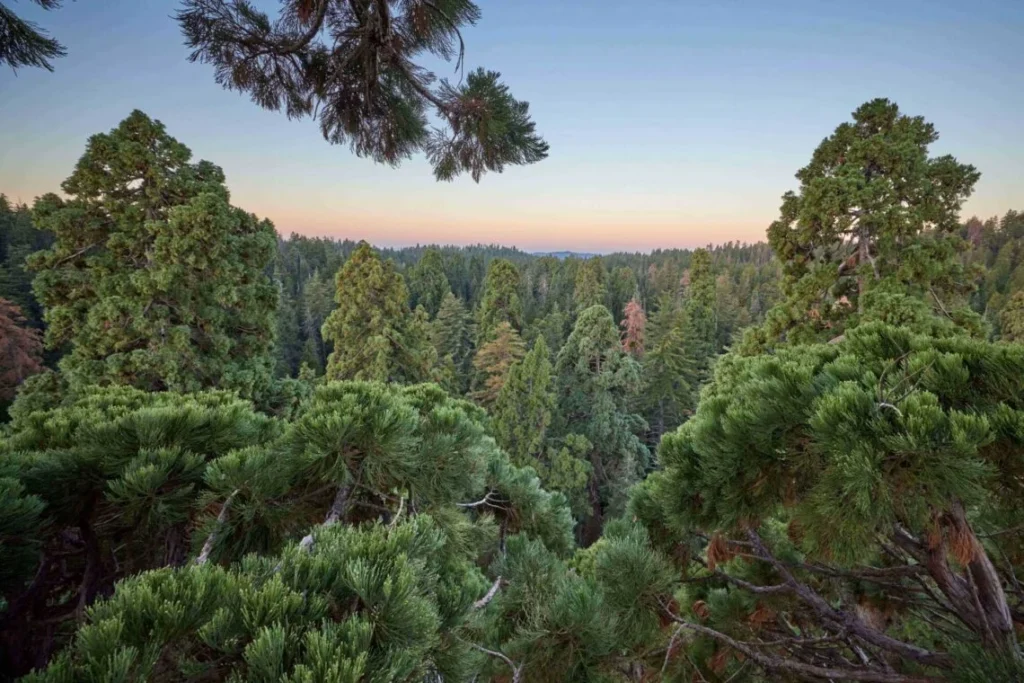
Ancient sequoias thrive at Calaveras Big Trees State Park, where the South Grove is a top priority for fire resilience treatments. Photo by Anthony Ambrose/Ancient Forest Society.
After weighing the modeling results alongside expert input, the task force gave each grove a relative vulnerability rating on a color-coded scale—from “low” (green) to “severe” (dark red). In Starvation Creek Grove, for example, the 2021 Windy Fire killed most of the grove’s mature sequoias and incinerated the seed bank, leaving the trees unlikely to recover on their own. The grove’s vulnerability was categorized as “severe.” By contrast, the Mariposa and Mountain Home groves were marked as low risk, thanks to successful fire-resilience treatments proven to reduce giant sequoia mortality.
Building on these risk ratings, the task force began arranging all 94 groves in order of greatest need and potential for impact. As the group hashed out the list, they weighed a number of practical factors: Are management projects feasible? Is the grove accessible? Have there been prior treatments? Is the compliance work done?
In some cases, a high-risk grove moved into the highest tier once all factors were considered. Calaveras South Grove, for instance, is considered high risk, but is also located near a community and recreational infrastructure—factors that elevated it to the highest priority level for treatment. Conversely, some highly vulnerable groves became a lower management priority because restoration work would be very difficult to execute. Board Camp Grove, for example, is located within a remote Wilderness Area, which limits the type of equipment that can be used for restoration or replanting.
Grove managers largely agreed on the final order, says Meyer. “I thought it was pretty encouraging to see that level of consensus.”
“Collaboration is the coalition’s superpower,” says Ben Blom, director of stewardship and restoration at Save the Redwoods, who served on the task force and is now on the GSLC Steering Committee. “Together, we have the tools, expertise and knowledge to look at the big picture across the whole sequoia range, as well as the specific realities of each grove.”
Taking action and accelerating work
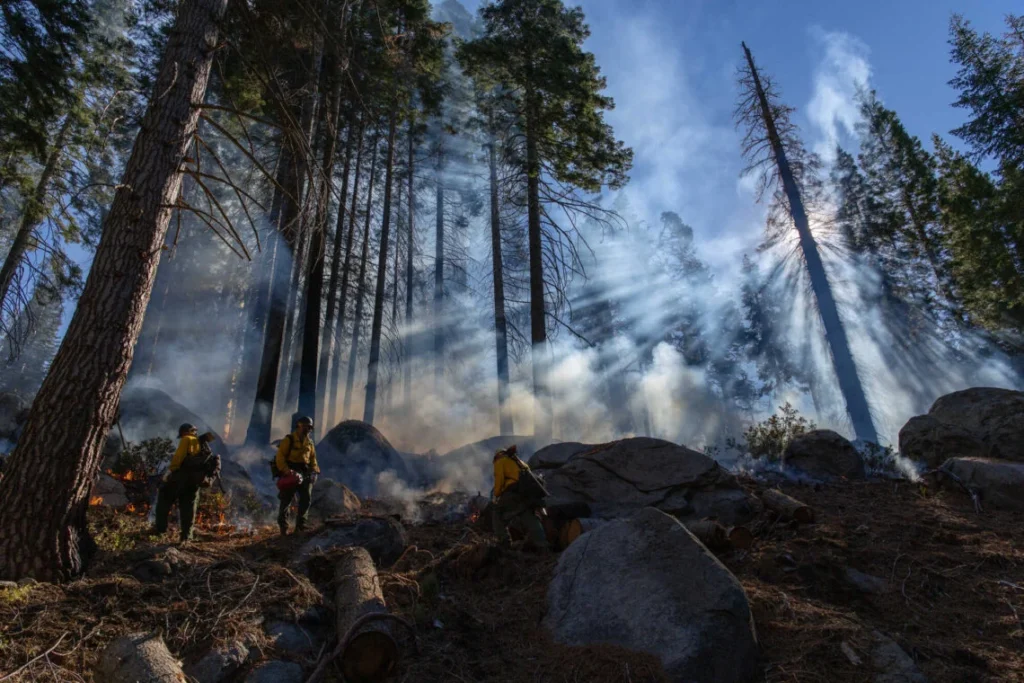
Photo by Coldwater Collective.
The prioritized list—along with an interactive map and detailed information about each grove—will eventually be available to the public through a Grove Resilience Dashboard, which CBI will host and manage. The task force will update the list as projects are completed and as new wildfires reshape conditions on the ground. Meanwhile, the GSLC is developing a five-year strategy for funding and implementing replanting and fuels-reduction work.
Recognizing the urgency of protecting these iconic trees, momentum is also building in Washington. The U.S. House of Representatives recently passed the bipartisan Save Our Sequoias Act, which would establish a fund to accelerate treatments in priority groves. The bill has also been introduced in the Senate.
“California’s giant sequoias are the largest trees on Earth and among our most irreplaceable natural treasures, but catastrophic wildfires are wiping out groves that have stood for thousands of years,” said Rep. Scott Peters, who introduced the bill along with Rep. Vince Fong. “The Save Our Sequoias Act would reduce dangerous fuel buildup, protect wildlife habitat, and cut through red tape so that paperwork doesn’t get in the way of saving these ancient trees.”
The GSLC knows what medicine these groves need; the new priority list shows where action is most urgent and practical. For the giant sequoias waiting their turn, expanded funding and accelerated treatments could make all the difference.
4 Responses to "Which giant sequoia groves to save first?"
I believe that you have done very through scientific research. this thought process should be applied to all the redwoods,both inland and coastal.
How can this article be shared?
Copy the URL (www. etc. at top of your page) and paste into email(s) of contacts you’d like to share with.
Hope the human threat is considered. Examples: alongside roads where people can throw cigarette butts and trash. Areas surrounding camping areas are vulnerable. Forests near populated areas are very vulnerable. Post and increase fines for littering, smoking, and illegal campfires.