

A look inside the redwood forest’s secret world
onDiscover intimate, close‑up views of forest plants and wildlife in this macro photo gallery, revealing the hidden textures, colors, and tiny creatures of the woods.
Discover intimate, close‑up views of forest plants and wildlife in this macro photo gallery, revealing the hidden textures, colors, and tiny creatures of the woods.
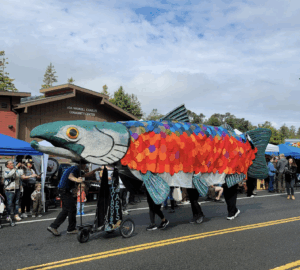
Here are 26 unforgettable experiences from conservation wins to hidden trails to wildlife encounters that we’re looking forward to in 2026.
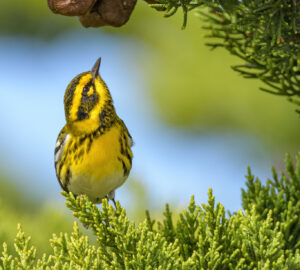
Explore the sounds of California’s redwoods with seven bird species that sing among the towering trees. Listen to their songs and meet the forest’s musicians

It’s been a rough start for many of us, but there are still plenty of amazing things ahead in 2025. So many opportunities to honor the world’s tallest and largest trees—and the wildlife and communities they shelter and nourish. So …
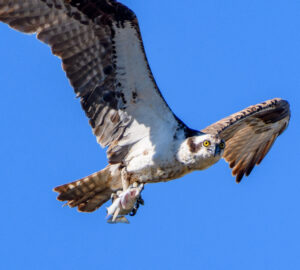
Along its wild western edge, Sonoma County hosts a menagerie of feathered, furred, and finned creatures—many of them at-risk species. Protecting these amazing animals is a key driver behind the League’s efforts to acquire Sonoma Coast Redwoods, a 1,624-acre property that connects more than 7.8 square miles of wildlife habitat and nearly 8 miles of streams. This biodiverse mix of redwood forest and coastal grasslands also provides essential habitat for vulnerable flora and fauna.
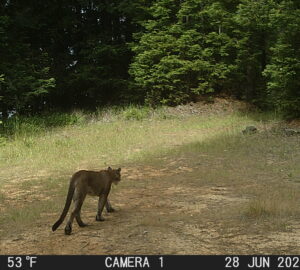
Something wonderful happens when a redwood forest is protected. Just ask the black bears, coyotes, and mountain lions padding past the League’s wildlife cameras at Lost Coast Redwoods. These creatures can be seen loping down former logging roads or nosing …
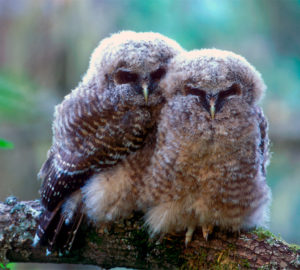
Oil prices were skyrocketing. Gerald Ford was stepping into Spiro Agnew’s tarnished VP shoes. The Exorcist was nominated for Best Picture. Such was the national landscape on December 28, 1973, when President Richard Nixon signed one of the country’s most …
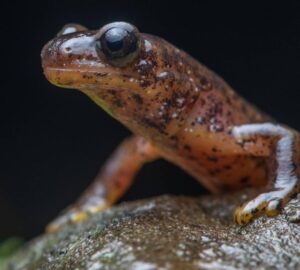
Near the jade waters of the Smith River in Redwood National and State Parks is the habitat of a small amphibian species that may depend on redwood forests as its environment changes. The southern torrent salamander (Rhyacotriton variegatus) seeks clear, …
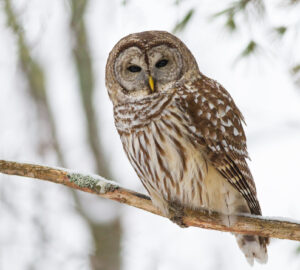
Barred owls and northern spotted owls have a lot in common: Both are brown-and-white owls; both are denizens of mature forests. The spotted owl hoots a four-note call, while the slightly larger barred owl hoots, “Who cooks for you?!” But …
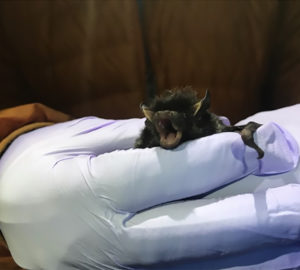
Bats are a top conservation priority. Not only are these fascinating mammals vulnerable to climate change, but many species around the world are also falling victim to a fungal disease called white-nose syndrome. New research funded by Save the Redwoods League suggests that coast redwood forests may offer bats refuge from both of these threats.
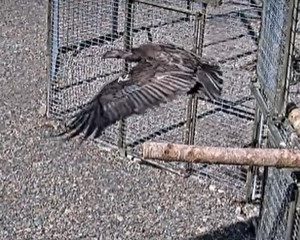
Next time you visit Redwood National and State Parks, you may see California condors taking flight among the redwoods. California condors, magnificent creatures that have been absent from this area for more than a century, were nearly extinct by the 1980s. Thanks to a monumental conservation effort and successful captive breeding program, there are now wild condor populations in Central and Southern California, Arizona, and Baja Mexico. Now, condors may even be returning to Northern California skies.
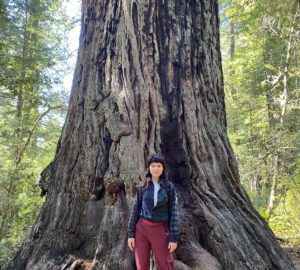
To be a naturalist or an artist—or of course both, like Clay Anderson—requires paying attention; to the world around you and how you respond to it. Nature journaling is one of the ways you can do that.
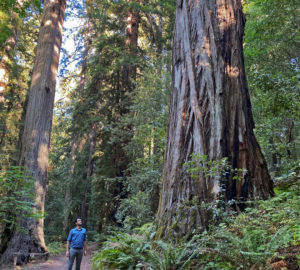
Home to the largest coast redwood forest still in private family hands, Mailliard Ranch is a 14,838-acre property near Boonville, California, in southern Mendocino County. In February 2021, Save the Redwoods League permanently protected this landscape with three conservation easements, closing the final phase of the project.
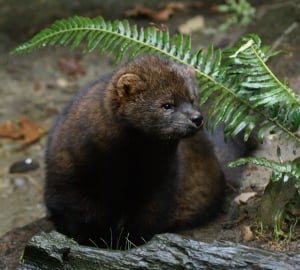
As controversy erupted in recent months over the protected status of the northern spotted owl in the Pacific Northwest, it was another reminder that California’s coast redwood and giant sequoia forests play host to many threatened and endangered wildlife species. …
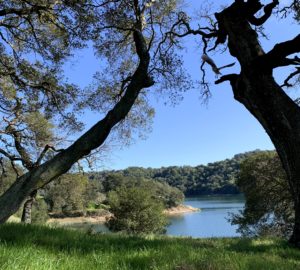
Spotting a barn owl in the wild, League President and CEO Sam Hodder reflects on the role nature has played in inspiring and sustaining people during a global pandemic.
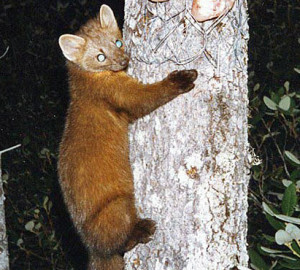
Humboldt marten listed as threatened under endangered species act
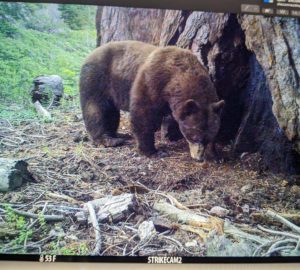
Our cameras at our Red Hill property captured these great images of California black bears.
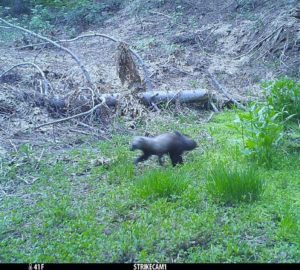
We’re excited to see Pacific fishers again at our Red Hill giant sequoia property in the Sierra.
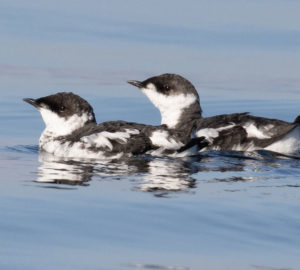
Of all the plants and animals that occupy the coast redwood ecosystem, among the more fascinating is the marbled murrelet, a brown and white seabird that’s a little bigger than a robin. This otherwise nondescript bird – called “fog larks” …
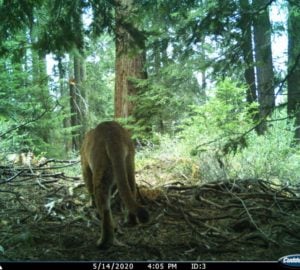
As we monitor and research the habitat at Red Hill to determine future conservation strategies, we find some really cool stuff on our trail cameras. For instance, these shots of a mountain lion captured just a few days ago. Big thanks to our wildlife biologist friends at Colibiri Consulting for catching this moment on camera.